Pallet Racking Types, Benefits
In the world of warehousing and storage, pallet racking is a cornerstone solution. From small businesses to massive distribution centers, pallet racking systems ensure efficient storage, better organization, and easy access to goods. Whether you’re looking to optimize storage for your inventory or planning a large-scale warehouse setup, understanding pallet racking can transform your operations.
In this article, we’ll explore the essentials of pallet racking, its various types, benefits, and how to choose the right system for your needs.
What is Pallet Racking?
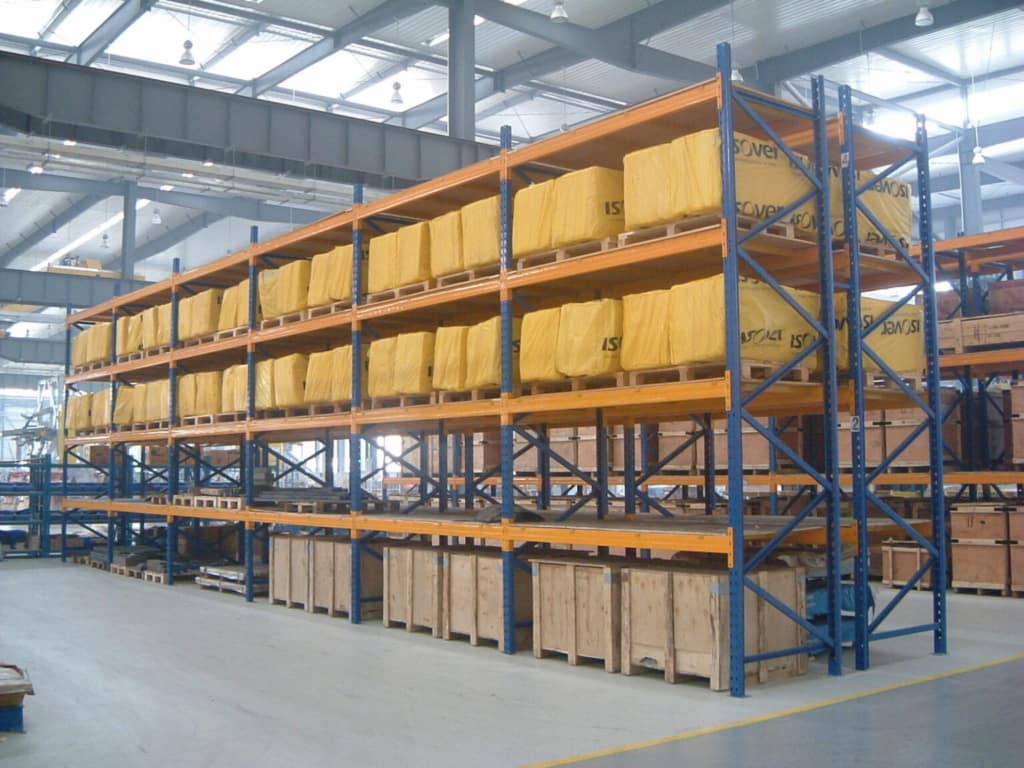
Pallet racking is a storage system designed to store items on pallets (or skids) in horizontal rows with multiple levels. These racks maximize vertical space, making them an excellent choice for warehouses with high ceilings. By leveraging height and space effectively, pallet racking helps businesses store large quantities of goods in an organized and easily accessible manner.
Key Benefits of Pallet Racking Systems
Implementing a pallet racking system can offer a range of benefits for businesses:
1. Space Optimization
This allows warehouses to use vertical space efficiently. Instead of spreading items across the floor, you can stack them securely and access them as needed, freeing up valuable ground space for other operations.
2. Improved Organization
With dedicated rows and levels, pallet racks make inventory management seamless. Workers can quickly locate and retrieve items, reducing downtime and increasing productivity.
3. Scalability
This systems are modular, meaning they can grow with your business. As your inventory expands, you can add more racks or levels to accommodate additional goods.
4. Durability and Safety
Most pallet racks are made from sturdy materials like steel, ensuring they can handle heavy loads without compromising safety. Properly installed racking systems reduce the risk of accidents in the warehouse.
5. Cost-Effective Storage
By utilizing vertical space and minimizing the need for additional square footage, pallet racking systems save businesses significant costs in warehouse expansion or relocation.
Types of Pallet Racking Systems
Choosing the right type of pallet racking depends on your specific needs, such as storage capacity, item type, and retrieval frequency. Below are the most common types of pallet racking systems:
1. Selective Pallet Racking
Selective racking is the most commonly used system and is ideal for businesses requiring direct access to all pallets. Each pallet is stored individually, making it perfect for warehouses with high SKU (Stock Keeping Unit) diversity.
Advantages:
- Easy access to each pallet.
- Simple installation and reconfiguration.
- Suitable for first-in, first-out (FIFO) or last-in, first-out (LIFO) inventory methods.
2. Drive-In and Drive-Through Racking
These systems are designed for high-density storage. Drive-in racks allow forklifts to enter the racking system from one side to retrieve or store pallets, while drive-through systems provide access from both sides.
Advantages:
- Maximizes storage space.
- Ideal for businesses with large quantities of similar items.
Disadvantages:
- Limited access to individual pallets.
- Best suited for LIFO inventory.
3. Push Back Racking
Push back racking is a high-density system where pallets are loaded onto rolling carts on inclined rails. When a new pallet is added, it pushes the previous one back.
Advantages:
- Efficient use of space.
- Allows storage of multiple pallets per slot.
- Quick and easy access to pallets.
4. Pallet Flow Racking (Gravity Racking)
This system uses a slight incline to allow pallets to roll to the front as others are removed. It’s ideal for businesses following the FIFO inventory method.
Advantages:
- Excellent for perishable goods.
- Maximizes efficiency and reduces handling time.
5. Cantilever Racking
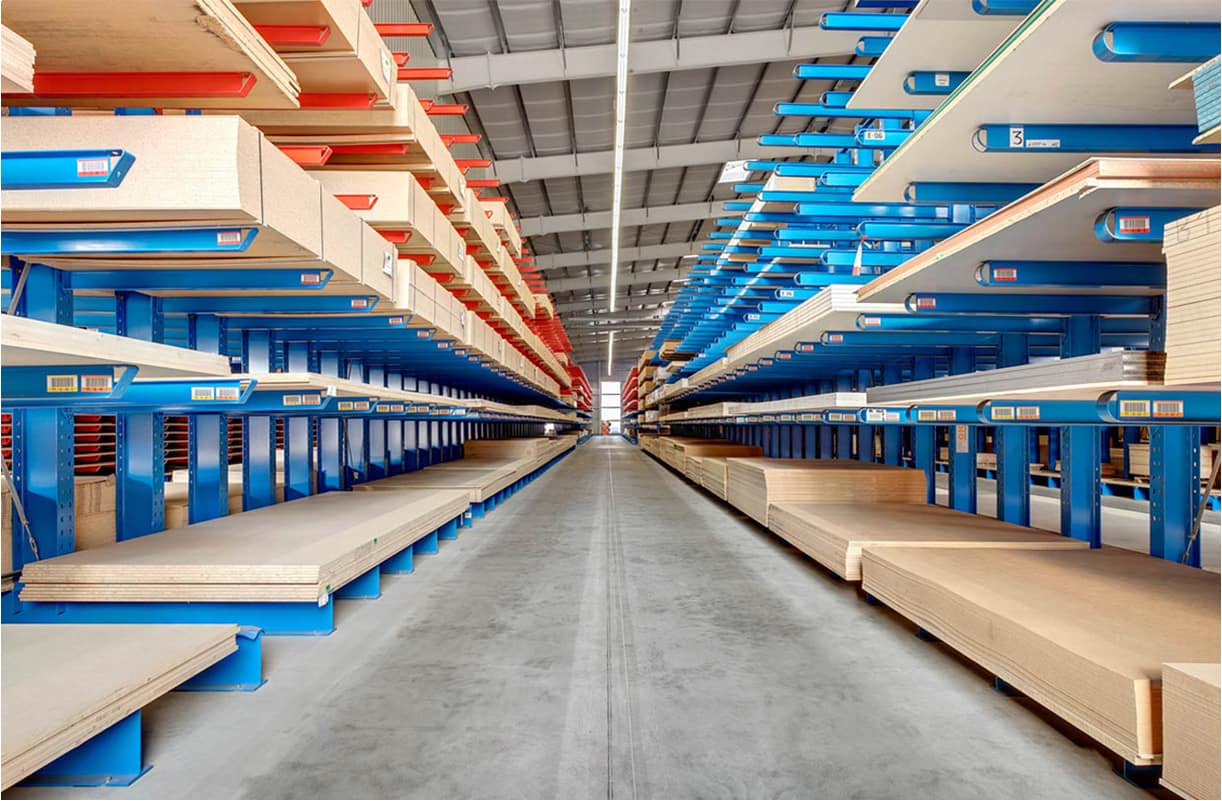
Designed for long or irregularly shaped items, cantilever racks are perfect for storing pipes, lumber, or furniture. These racks use horizontal arms attached to vertical columns.
Advantages:
- Ideal for oversized or awkward items.
- Easy to load and unload.
6. Double-Deep Pallet Racking
This system stores pallets two deep, increasing storage density while maintaining reasonable access.
Advantages:
- Doubles storage capacity compared to selective racking.
- Cost-effective for medium to large warehouses.
Factors to Consider When Choosing a Pallet Racking System
Selecting the right pallet racking system depends on several factors:
1. Warehouse Size and Layout
Consider the height, width, and depth of your warehouse. High ceilings allow for taller racks, while narrow aisles may require specialized racking like narrow aisle pallet racks.
2. Inventory Type
The size, weight, and shape of your inventory will influence the type of racking system you choose. For example, selective racking is suitable for diverse inventory, while drive-in racks work best for uniform items.
3. Storage Capacity
Assess your current storage needs and anticipate future growth. Modular racking systems can accommodate expansion as your business scales.
4. Accessibility Requirements
If you need frequent access to individual pallets, a selective racking system is ideal. For bulk storage, consider drive-in or push-back racking.
5. Budget
While high-density systems may have a higher upfront cost, they offer long-term savings by optimizing space and efficiency.
Applications of Pallet Racking
Pallet racking is versatile and finds applications across various industries, including:
1. Retail
Retailers use pallet racking to store inventory in backrooms or warehouses. Selective racking ensures easy access to items for restocking shelves.
2. E-Commerce
E-commerce businesses rely on pallet racking to handle high SKU diversity and rapid order fulfillment.
3. Manufacturing
Manufacturers use pallet racks to store raw materials and finished products, streamlining production processes.
4. Cold Storage
Pallet flow and drive-in racking are popular choices for cold storage facilities, as they optimize space for perishable goods.
5. Automotive
Automotive warehouses use cantilever racking for long items like pipes and exhaust systems, as well as pallet racks for spare parts.
Tips for Maintaining Pallet Racking Systems
To ensure the longevity and safety of your pallet racking system, follow these maintenance tips:
- Regular Inspections Conduct routine checks for damage, such as bent beams or rust, and address issues promptly.
- Load Capacity Compliance Never exceed the recommended load capacity for your racks. Overloading can compromise structural integrity.
- Employee Training Train staff to handle pallets and forklifts safely to prevent accidents and damage to the racking system.
- Use Protective Accessories Install column protectors and guardrails to minimize impact damage.
Conclusion
Pallet racking systems are an essential investment for any business looking to optimize storage space, improve organization, and streamline operations. Whether you run a small warehouse or a large distribution center, choosing the right type of pallet racking can significantly enhance efficiency and productivity.
By understanding the different types of pallet racking, their benefits, and their applications, you can make an informed decision that aligns with your business needs. Regular maintenance and proper usage will ensure your racking system serves you reliably for years to come.
Ready to implement a pallet racking system? Consult with a professional to design and install a setup tailored to your warehouse’s unique requirements.