best Frame Pitch Holes in Racking Systems : Types, Standards & Uses
Understanding Frame Pitch Holes in Racking Systems: Types, Standards, and Importance

In modern warehouse storage Racking Systems, every small design detail plays a major role in safety, flexibility, and load performance. One such critical detail is the frame pitch hole. Often overlooked, the pitch hole pattern on a racking upright determines how beams connect, how adjustable the system is, and whether different racking components are compatible. Understanding frame pitch holes is essential for warehouse planners, engineers, and facility managers looking to optimize storage space efficiently and safely.
What Is a Frame Pitch Hole?
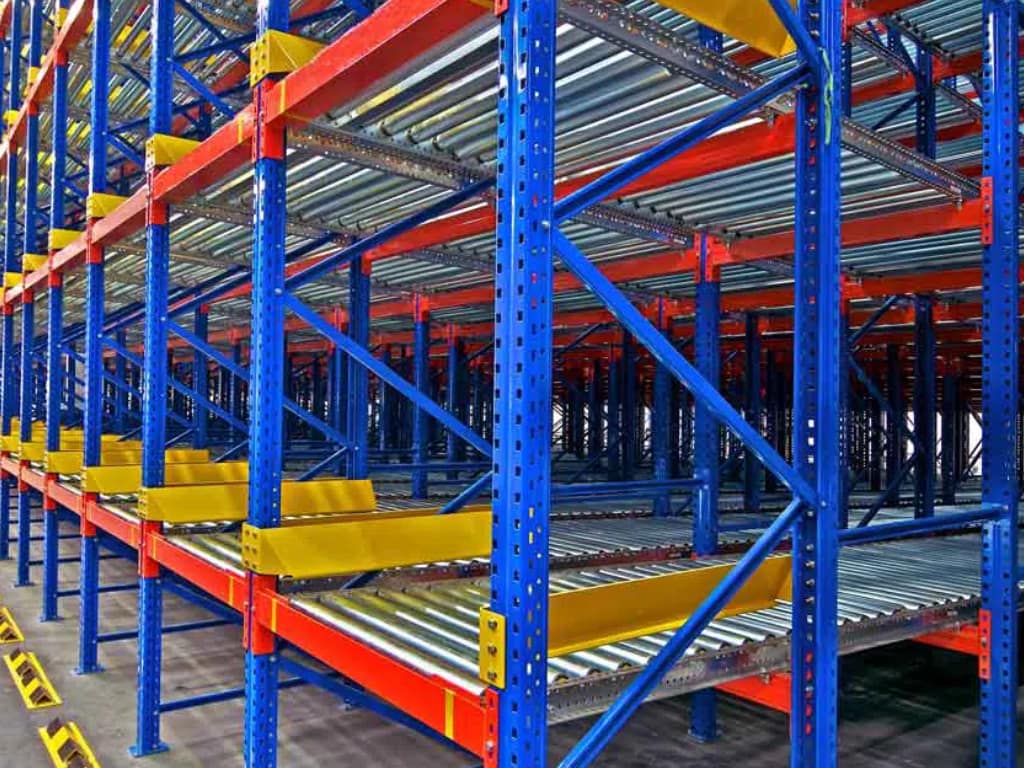
A frame pitch hole refers to the pre-punched holes on a racking upright, arranged at fixed vertical intervals. These holes allow horizontal beams to be hooked, locked, or bolted into the frame. The pitch is the center-to-center distance between consecutive holes, and the shape of the hole depends on the racking manufacturer and system design.
Frame pitch holes make racking systems adjustable, allowing beam levels to be changed as storage needs evolve. This flexibility is one of the main advantages of industrial pallet racking systems.
Why Frame Pitch Hole Design Matters
The design of frame pitch holes directly affects load safety, beam engagement strength, and structural stability. A properly engineered hole pattern ensures secure beam locking, reduces the risk of accidental dislodgement, and supports heavy pallet loads. It also determines whether accessories like safety pins, bracing, or shelf supports can be used.
In addition, pitch hole design impacts compatibility. Beams designed for one hole type usually cannot be used with another, making correct identification critical during system expansion or replacement.
Common Types of Frame Pitch Holes
As shown in the image, Racking Systems different global racking brands use distinct pitch hole shapes. Each design serves the same purpose but follows unique engineering standards.
Keyhole-shaped pitch holes, commonly seen in systems like Dexion, Macrack, and Brownbuilt, are among the most widely used. These holes allow beams to be easily hooked in and locked downward, providing strong vertical load resistance.
Teardrop or oval-shaped pitch holes, used by brands such as Speedrack, APC, and Acrow, are popular for their smooth engagement and ease of installation. These designs are common in American and international pallet racking systems.
Rectangular or square pitch holes, such as those found in Schäfer-type systems, offer precise beam alignment and are often used in European racking designs. They provide excellent rigidity and are preferred in high-load industrial environments.
Slotted or angled pitch holes, seen in Colby and Spacerack systems, are engineered for heavy-duty applications. These slots improve beam locking and enhance impact resistance in busy warehouse operations.
Standard Pitch Measurements
Although hole shapes differ, pitch distances generally follow industry norms. Common pitch sizes include 50 mm, 75 mm, and 76.2 mm (3 inches). A smaller pitch allows finer beam height adjustment, while a larger pitch provides higher load-bearing capacity per level.
Choosing the correct pitch depends on pallet height, forklift clearance, and warehouse layout requirements.
Applications in Warehouse Storage
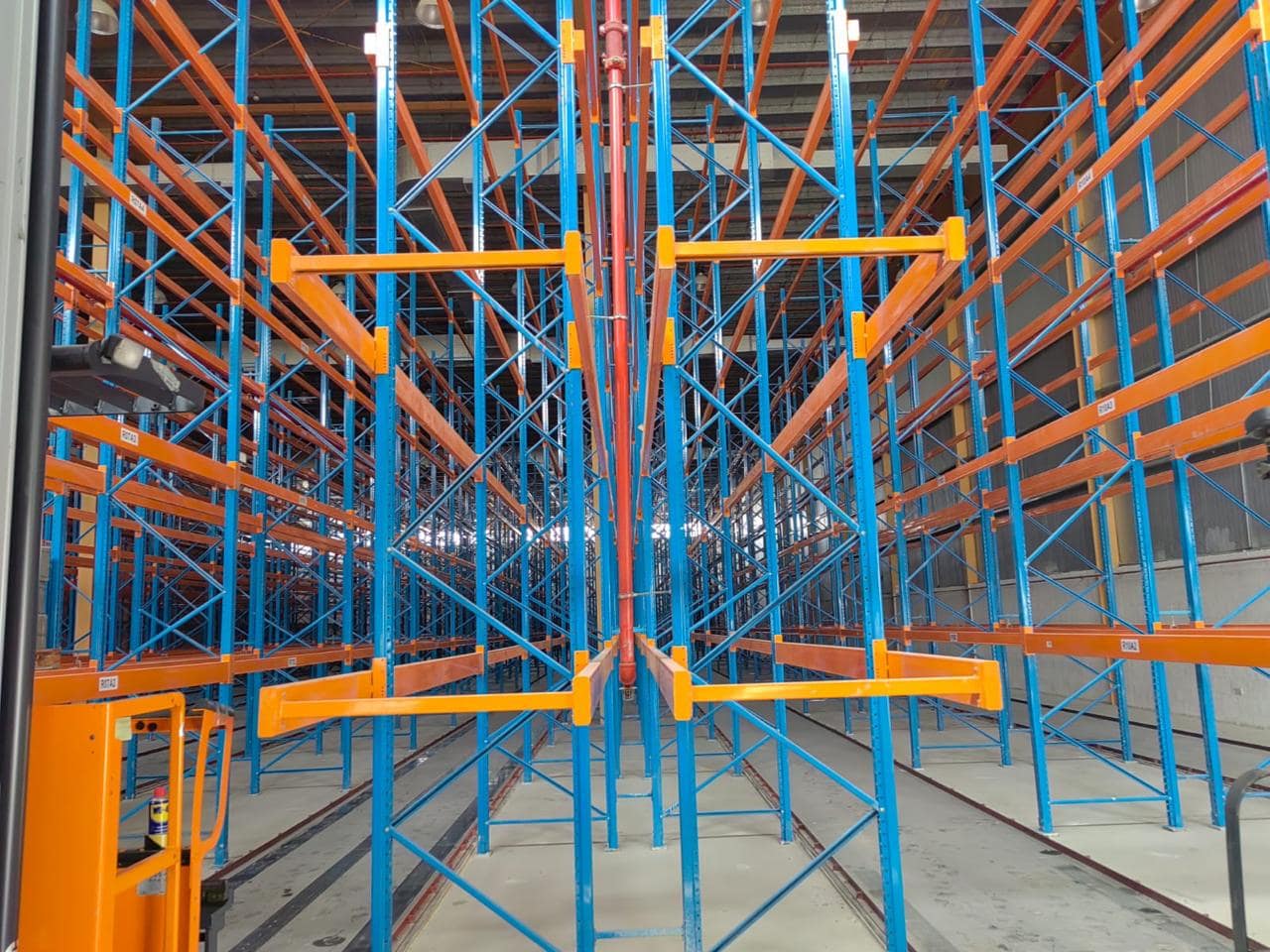
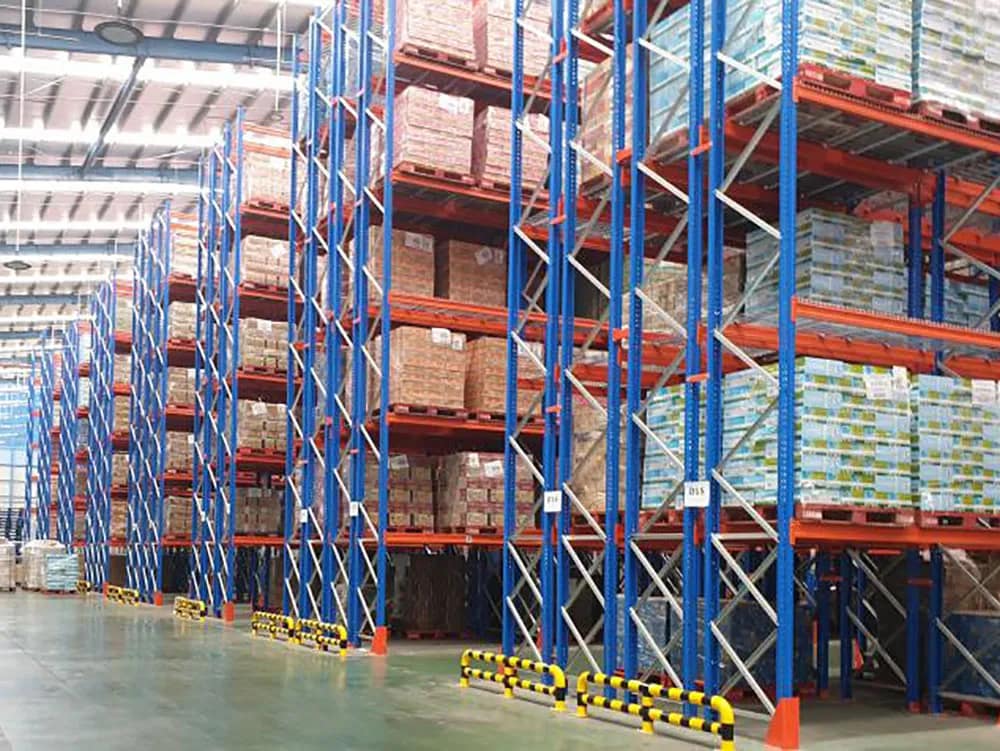
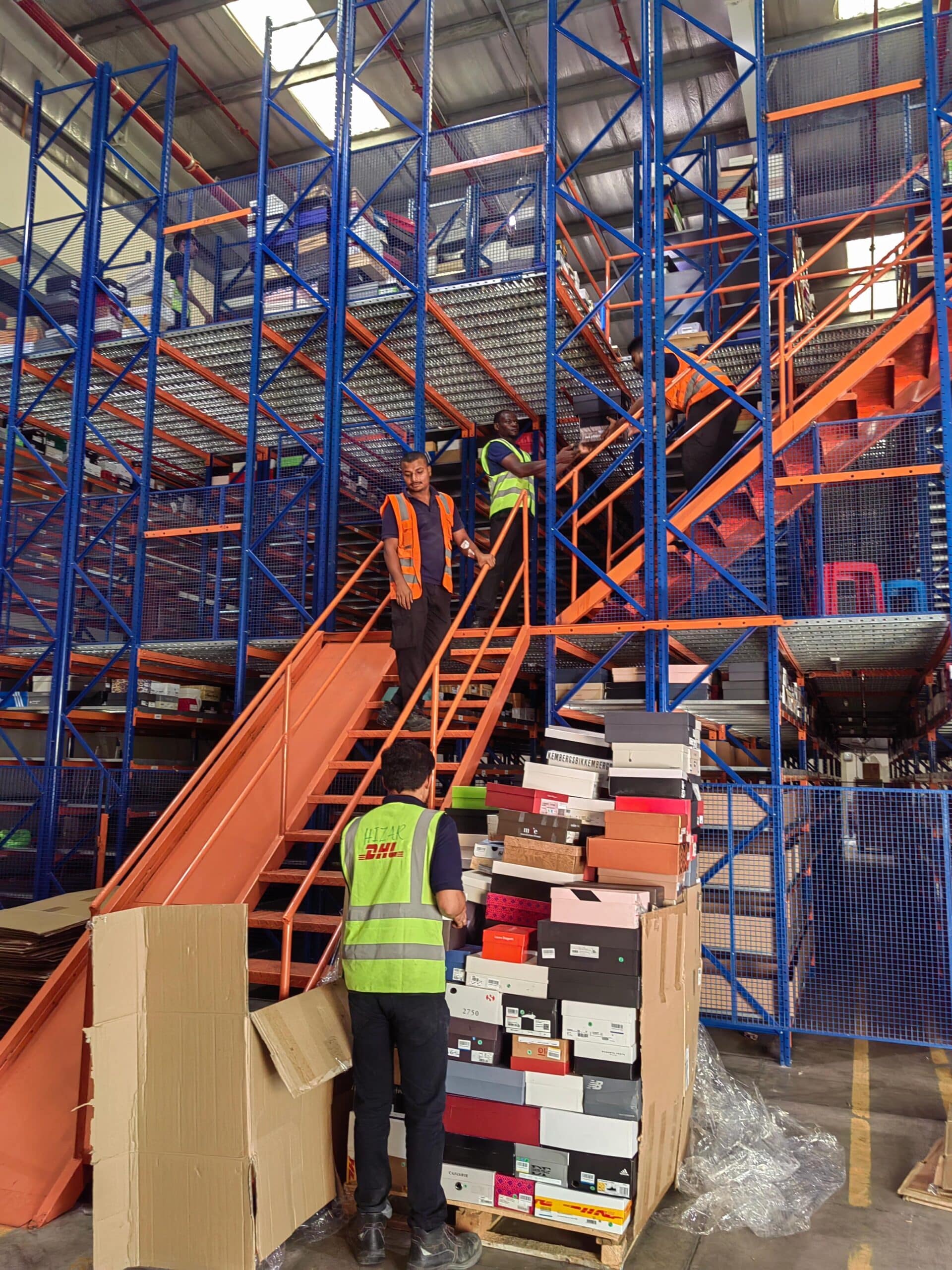
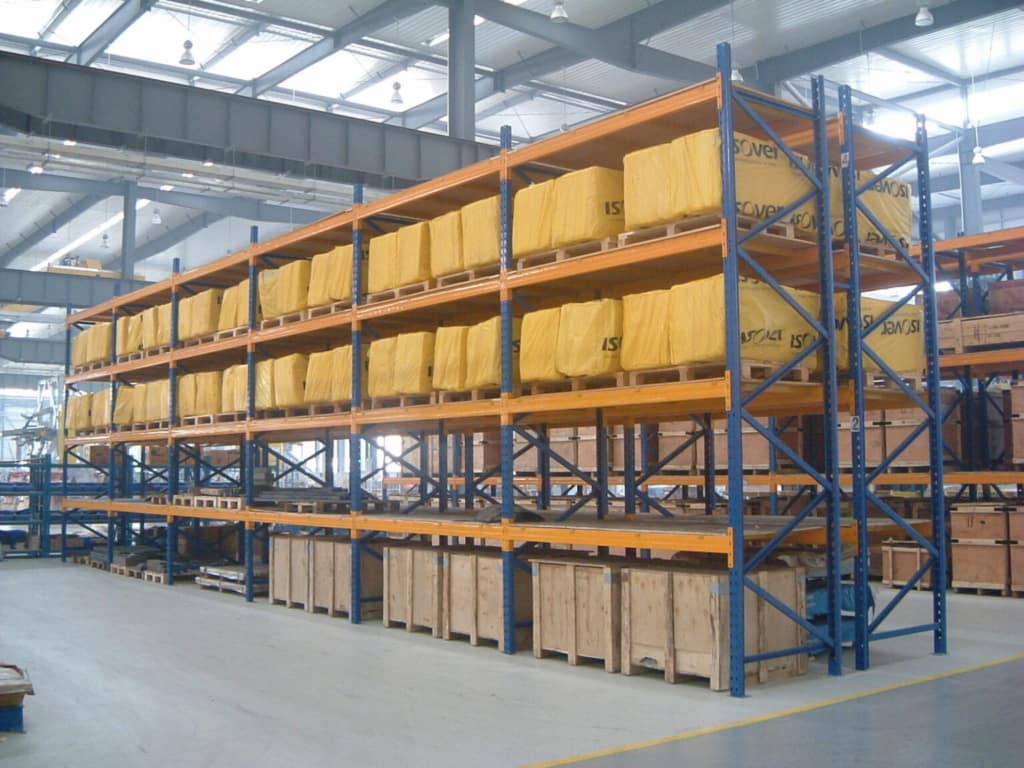
Frame pitch holes are used across various storage systems, including Racking Systems pallet racking, long-span shelving, mezzanine-supported racking, and boltless shelving. In pallet racking, they allow easy reconfiguration for different pallet sizes. In mezzanine systems, they help align secondary beams and floor supports accurately.
For warehouses handling mixed inventory, adjustable pitch holes provide long-term flexibility without structural modification.
Safety and Compliance Considerations
Using the correct beam for the correct pitch hole pattern is a major safety requirement. Mismatched components can lead to improper engagement, reduced load capacity, and potential collapse. For this reason, professional racking suppliers always specify pitch type, hole pattern, and compatible beam profiles in their technical drawings and BOQs.
Regular inspection of pitch holes is also important. Deformed or damaged holes can compromise beam locking and should be repaired or replaced immediately.
Choosing the Right Racking System
When selecting a racking system, it is important to consider not only load capacity but also the frame pitch hole design. A well-designed pitch system ensures easy expansion, long service life, and compliance with international safety standards.
Working with experienced manufacturers and suppliers helps ensure that the selected pitch hole pattern suits your warehouse’s operational demands and future growth.
Conclusion
Frame pitch holes are a small but vital element of any racking system. From keyhole and teardrop designs to rectangular and slotted patterns, each type plays a crucial role in beam connection, safety, and adjustability. Understanding these differences helps businesses make informed decisions, avoid compatibility issues, and build safer, more efficient storage solutions.
For warehouses aiming to maximize space while maintaining safety, choosing the right frame pitch hole system is not just a technical detail—it is a strategic investment.