How Sandwich Panels Improve Energy : Efficiency in Commercial Projects UAE
How Sandwich Panel Improve Energy Efficiency in Commercial Projects

Energy efficiency has become a top priority in modern commercial construction. Rising energy costs, strict building regulations, and sustainability goals are pushing businesses to adopt smarter construction materials. One of the most effective solutions is the use of sandwich panels. Widely used in warehouses, factories, offices, and commercial buildings, sandwich panels play a major role in improving energy efficiency while maintaining structural strength and durability.
What Are Sandwich Panel?
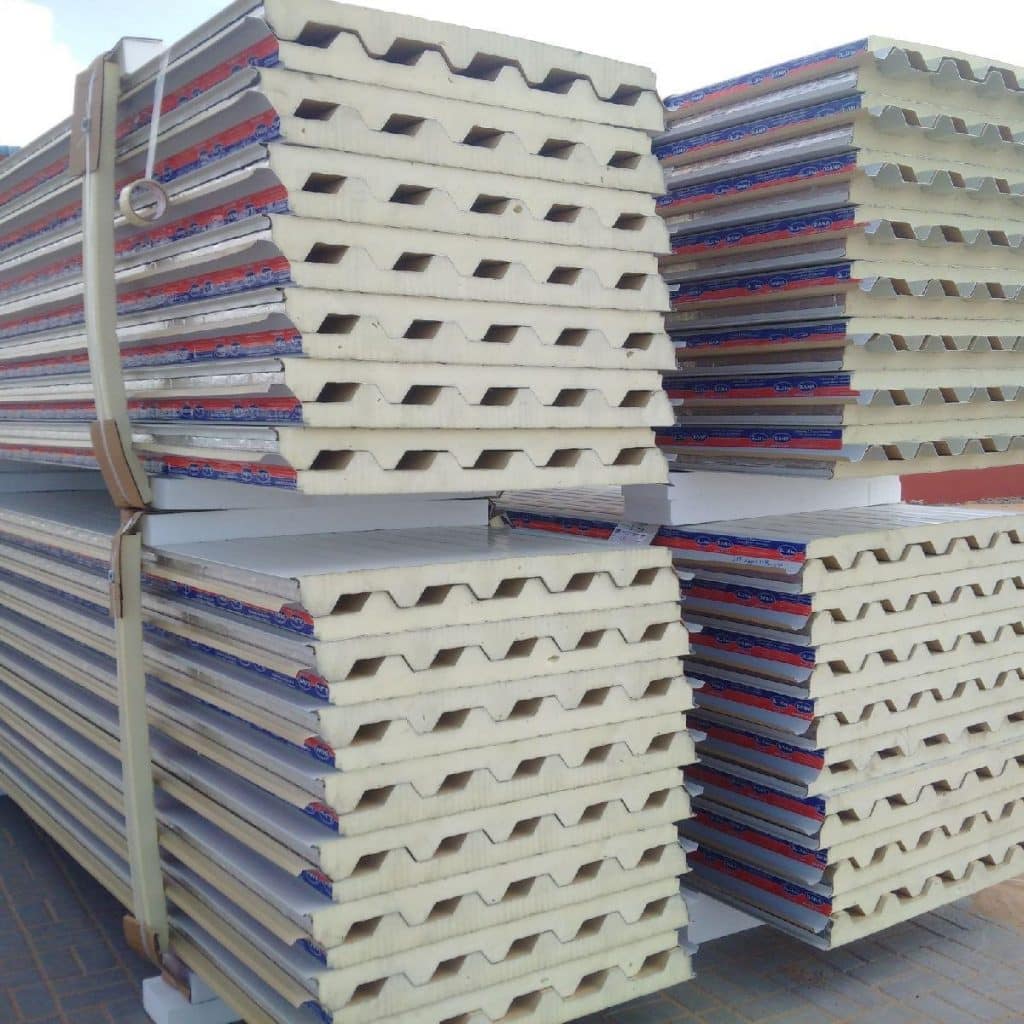
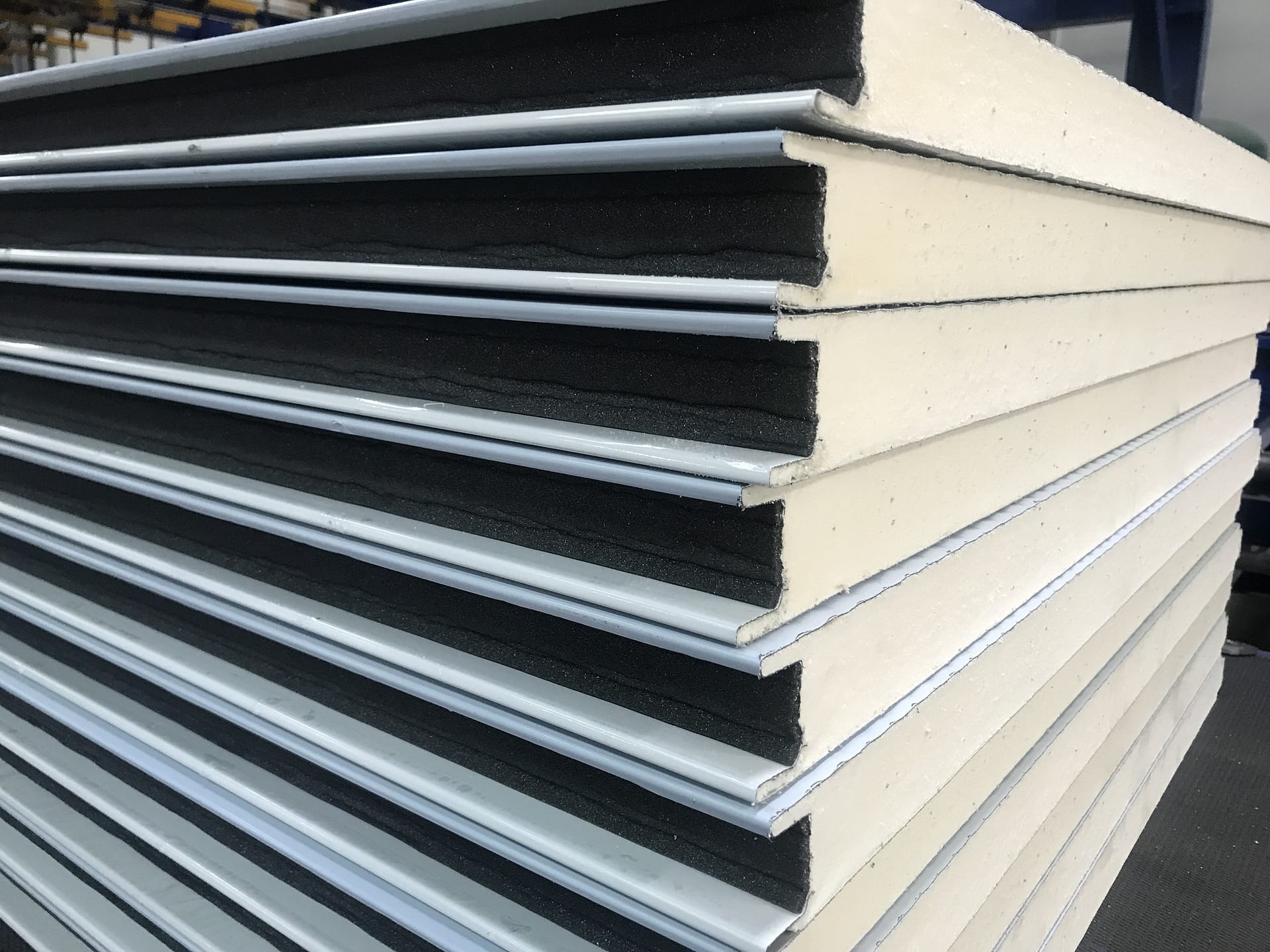
Sandwich panels are prefabricated building materials made of two outer metal sheets with an insulating core in between. The core material is typically polyurethane (PU), polyisocyanurate (PIR), mineral wool, or EPS. This layered structure provides excellent thermal insulation, making sandwich panels ideal for commercial projects where temperature control is essential.
The Role of Insulation in Energy Efficiency
In commercial buildings, a large portion of energy is consumed by heating, ventilation, and air conditioning systems. Poor insulation allows heat to escape during cooler months and enter during hotter months, forcing HVAC systems to work harder. Sandwich panels reduce this energy loss by creating a strong thermal barrier between the indoor and outdoor environments.
By minimizing heat transfer, sandwich panels help maintain stable indoor temperatures, which directly reduces energy consumption and operational costs.
Thermal Performance of Sandwich Panel
The insulating core of sandwich panel offers low thermal conductivity, meaning less heat passes through the building envelope. This is especially important in regions like the UAE, where high external temperatures can significantly impact cooling costs.
Commercial buildings constructed with sandwich panels experience lower heat gain during the day, reducing the load on air-conditioning systems. Over time, this leads to noticeable savings on electricity bills and improved indoor comfort for occupants.
Air Tightness and Reduced Energy Loss
Energy efficiency is not only about insulation but also about preventing air leakage. Sandwich panels are manufactured with precision joints that create tight seals when installed correctly. These airtight connections reduce gaps and thermal bridges that are commonly found in traditional construction methods.
As a result, conditioned air remains inside the building, and unwanted hot air stays outside. This controlled environment enhances energy efficiency and supports consistent indoor climate management.
Reflective Outer Layers and Solar Control
The outer metal sheets of sandwich panel often have reflective coatings that help deflect solar radiation. This reduces heat absorption, particularly on roofs and exterior walls exposed to direct sunlight. By limiting solar heat gain, sandwich panels further decrease cooling requirements in commercial projects.
Sustainability and Long-Term Energy Savings
Sandwich panel contribute to sustainable construction by reducing overall energy demand. Lower energy consumption results in fewer carbon emissions, helping businesses meet environmental standards and green building goals.
Additionally, sandwich panels have a long service life and require minimal maintenance. Their durability ensures that insulation performance remains consistent over time, providing long-term energy efficiency benefits.
Applications in Commercial Projects
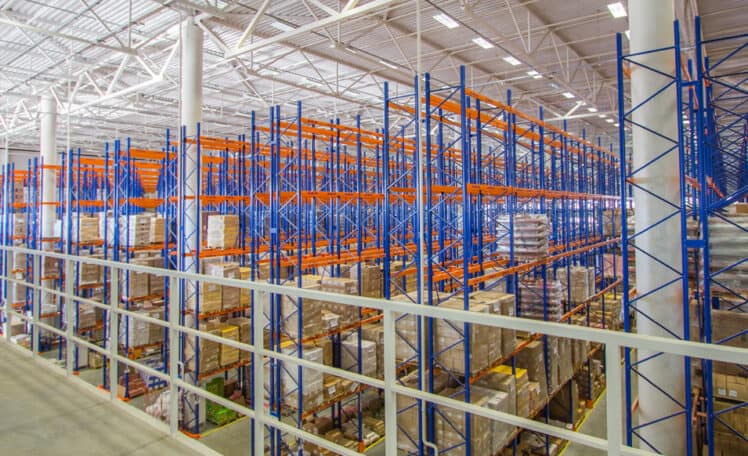
Sandwich panel are commonly used in warehouses, cold storage facilities, shopping complexes, office buildings, and industrial units. Their ability to maintain controlled temperatures makes them especially valuable for projects that require thermal stability, such as food storage and pharmaceutical facilities.
Businesses working with reliable suppliers like Moazzam Ali Building Material Trading benefit from high-quality sandwich panels designed for commercial and industrial applications.
Cost Efficiency in Commercial Construction
Although sandwich panel may have a higher initial cost compared to some traditional materials, the long-term energy savings often outweigh the investment. Reduced utility bills, lower HVAC maintenance costs, and faster installation times make sandwich panels a cost-effective solution for commercial projects.
Conclusion
Sandwich panel significantly improve energy efficiency in commercial projects by offering superior insulation, airtight construction, and solar heat resistance. They help businesses reduce energy consumption, lower operating costs, and create comfortable indoor environments. For commercial developments in demanding climates like the UAE, sandwich panels are a practical and sustainable building solution.
FAQ – Sandwich Panels and Energy Efficiency
Q1: How do sandwich panels reduce energy consumption?
They minimize heat transfer and air leakage, reducing the workload on heating and cooling systems.
Q2: Are sandwich panels suitable for hot climates like the UAE?
Yes, their thermal insulation and reflective surfaces make them ideal for high-temperature environments.
Q3: Which core material is best for energy efficiency?
PU and PIR cores generally offer the best thermal insulation for commercial buildings.
Q4: Do sandwich panels help lower electricity bills?
Yes, improved insulation leads to reduced HVAC usage, resulting in lower energy costs.
Q5: Can sandwich panels support green building certifications?
Yes, their energy-saving properties contribute positively toward sustainability and green building standards.