Sandwich Wall Panels | Advantages and Disadvantages
Sandwich Wall Panels Advantages and Disadvantages

In today’s fast-growing construction market, Sandwich wall panels have become one of the most popular choices for modern buildings. From warehouses and offices to residential villas, wall panels offer fast installation, thermal insulation, and a clean finish. In the UAE, where the climate is hot and projects often need quick completion, wall panels are now replacing traditional brick and block walls.
But before choosing them for your next project, it’s important to understand both the advantages and disadvantages of wall panels to make the right decision for long-term performance and value.
What Are Sandwich Wall Panels?
Sandwich Wall panels are pre-fabricated sheets or boards used to cover the inside or outside walls of a building. They serve both a functional and decorative purpose — improving the building’s look, insulation, and strength.
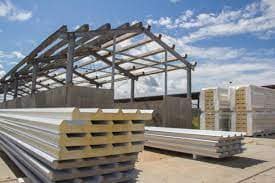
These panels are made from different materials like sandwich wall panels, aluminum, PVC, gypsum, or wood. The most common type used in UAE projects is the insulated sandwich wall panel, which combines two metal sheets with an insulated core made of PU, PIR, or rockwool. This structure helps control temperature and reduce energy consumption in warehouses, factories, and homes.
Advantages of Wall Panels
1. Fast and Easy Installation
One of the biggest benefits of wall panels is speed. Because they are pre-manufactured, wall panels can be installed directly on-site with minimal labor. This allows projects to be completed faster, reducing construction time and costs.
For large industrial or commercial projects, this can save weeks of construction time, making it ideal for fast-track developments in the UAE.
2. Excellent Thermal and Sound Insulation
Wall panels — especially sandwich wall panels — offer superior thermal insulation. The insulated core keeps indoor areas cool during UAE’s hot summers and helps reduce air-conditioning costs.
They also provide sound insulation, blocking external noise and creating a quieter, more comfortable indoor environment. This makes them perfect for offices, factories, or homes near busy areas.
3. Lightweight but Strong
Although wall panels are lightweight, they are built to be structurally strong. They can handle wind pressure, temperature changes, and environmental stress without cracking or deforming.
This reduces the load on the building foundation and makes panels a cost-effective choice compared to traditional concrete walls.
4. Modern and Attractive Appearance
Wall panels are available in a variety of colors, finishes, and textures. Whether you want a smooth modern look or a metallic industrial finish, wall panels can be customized to match your design.
This flexibility allows architects to create buildings that are both functional and visually appealing.
5. Low Maintenance
Wall panels are easy to clean and require minimal maintenance. Unlike painted walls, they resist dust, corrosion, and moisture, keeping your building looking new for years. This is especially useful in the humid and sandy environment of the UAE.
6. Energy Efficiency
Because of their insulation properties, wall panels help reduce energy consumption by maintaining indoor temperatures more effectively. This makes them an eco-friendly and sustainable building option, supporting green building practices.
7. Fire and Water Resistance
Some wall panels, like rockwool sandwich wall panels, are fire-resistant and prevent flame spread. Metal and PVC panels are also water-resistant, protecting the building from moisture, leaks, and mold growth.
Disadvantages of Wall Panels
1. Higher Initial Cost
High-quality wall panels can be more expensive initially than traditional brick or concrete. However, when you consider their long-term energy savings, durability, and faster construction, they often prove more cost-effective over time.
2. Difficult to Modify
Once installed, wall panels are not easy to modify or cut. Any design changes or additions (like windows or electrical outlets) require careful planning and professional handling.
This means the layout must be finalized before installation begins.
3. Transportation and Handling Challenges
Wall panels are large in size and must be transported carefully to avoid dents or surface damage. Handling during unloading or installation needs to be done by experienced workers.
4. Skilled Installation Required
Although installation is faster, it requires skilled technicians to ensure panels are properly aligned, sealed, and fixed. Poor installation can lead to gaps, air leakage, or water seepage, reducing the effectiveness of the panels.
5. Limited Design Flexibility
While panels come in many colors and styles, creating complex architectural shapes can be difficult compared to traditional masonry. They are best suited for modern, straight-lined structures.
Conclusion
Wall panels offer a modern, durable, and energy-efficient solution for UAE’s construction needs. Their quick installation, insulation performance, and aesthetic appeal make them ideal for warehouses, factories, villas, and offices.
However, understanding their limitations — such as initial cost and modification difficulty — is important before deciding. When properly planned and installed, wall panels provide long-term value, safety, and performance.
If you are planning a new building or warehouse project, Sama Group UAE offers high-quality sandwich wall panels and professional installation services to ensure strength, durability, and energy efficiency in every project.
FAQ Section
Q1. What are wall panels used for?
Wall panels are used for covering walls, insulation, and improving the look of buildings in residential, commercial, and industrial projects.
Q2. What is the main advantage of wall panels?
They provide thermal insulation and faster construction, making them ideal for UAE’s climate and industrial needs.
Q3. Are wall panels long-lasting?
Yes. When properly installed, wall panels can last for many years with minimal maintenance.
Q4. What is the main drawback of wall panels?
The initial cost can be higher, and modifications after installation are not easy.
Q5. Are wall panels suitable for UAE weather?
Absolutely. Wall panels resist heat, humidity, and corrosion, making them perfect for UAE’s environmental conditions.