Best Building Contracting & Steel Materials : Angle, I-Beam, Tube Pipe in UAE
Building Contracting and the Role of Steel Materials: Angle, I-Beam, Tube, and Pipe

The construction industry is the backbone of modern infrastructure, and building contracting plays a critical role in transforming ideas into durable structures. From residential buildings and warehouses to commercial complexes and industrial facilities, every project depends on quality materials and skilled execution. Among the most essential materials used in building contracting are steel products such as angles, I-beams, tubes, and pipes. These materials provide strength, stability, and long-term performance, making them indispensable in today’s construction landscape.
What Is Building Contracting?
Building Steel Materials involves planning, managing, and executing construction projects from start to finish. Contractors handle everything from structural work and material sourcing to installation and finishing. In regions like the UAE, where construction standards are high and projects often face extreme weather conditions, contractors rely heavily on durable materials—especially structural steel—to ensure safety and longevity.
Steel materials are preferred in modern building contracting because they offer high load-bearing capacity, resistance to corrosion (with proper treatment), and flexibility in design.
Steel Angles: Strength and Versatility
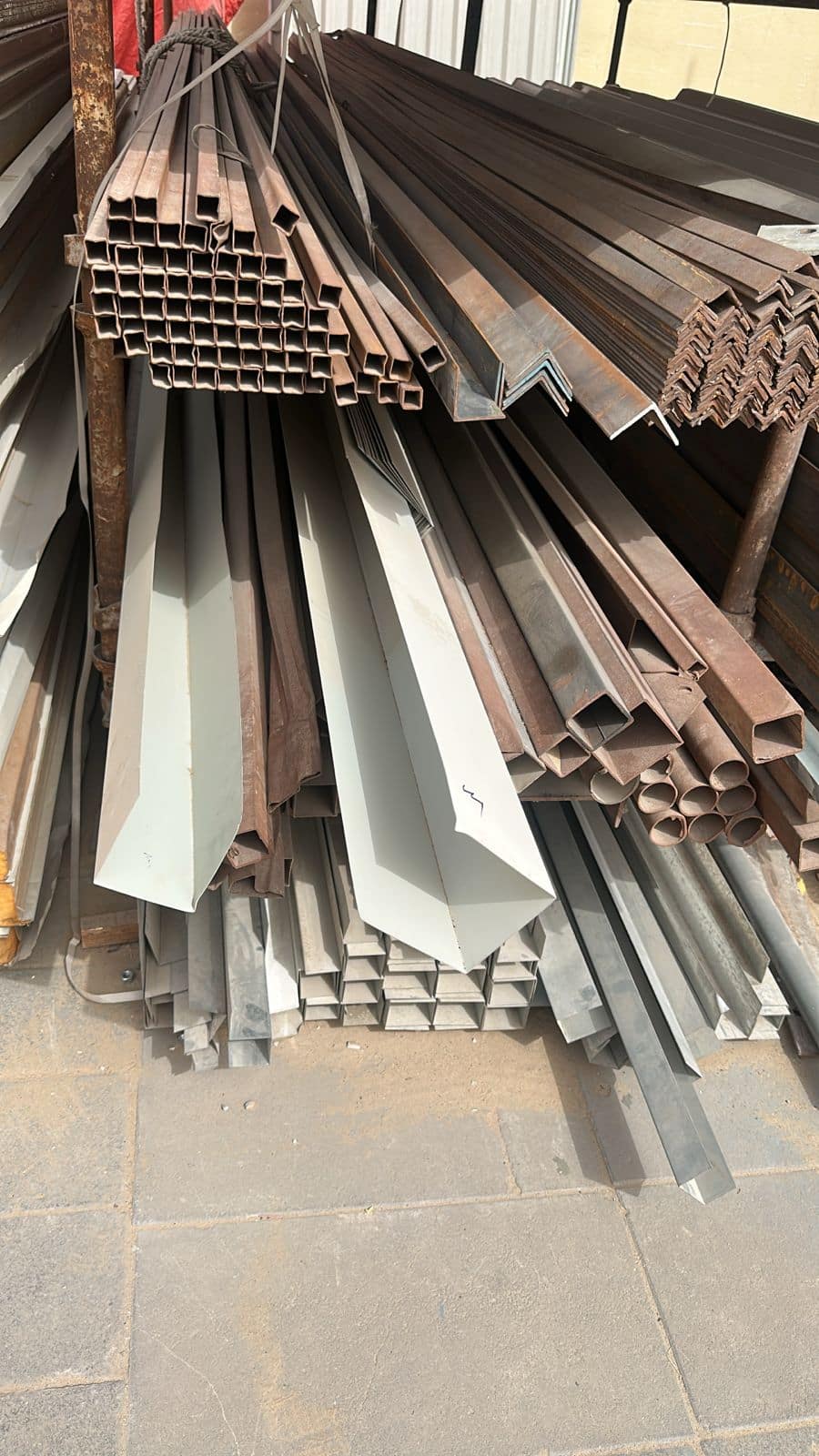
Steel Materials Steel angles are one of the most commonly used structural components in building projects. They are L-shaped sections used to provide support, reinforcement, and framing. Angles are widely used in:
- Structural frameworks
- Shelving and racking systems
- Staircases and platforms
- Bracing and edge protection
Their versatility makes them ideal for both small-scale and large-scale construction. Steel angles are easy to fabricate, cut, and weld, allowing contractors to adapt them to various design requirements. In building contracting, angles are often used to enhance structural stability while keeping costs efficient.
I-Beams: The Backbone of Heavy Structures
I-beams, also known as H-beams or universal beams, are critical for supporting heavy loads in construction projects. Their unique “I” shape allows them to distribute weight evenly, making them ideal for long spans and high-load applications.
Common uses of I-beams in building contracting include:
- Supporting floors and roofs
- Structural frameworks for warehouses and factories
- Bridges and large commercial buildings
- Mezzanine floors and industrial platforms
I-beams provide exceptional strength without excessive material usage, which helps reduce overall construction weight while maintaining safety standards. This efficiency makes them a preferred choice for contractors working on large and complex projects.
Steel Tubes: Precision and Modern Design
Steel tubes are hollow sections available in square, rectangular, and circular shapes. They are widely used in modern construction due to their clean appearance and structural efficiency. Tubes are commonly applied in:
- Building frames
- Handrails and fencing
- Architectural features
- Support structures and columns
In building contracting, steel tubes are valued for their uniform strength and resistance to bending and twisting. They also allow for sleek, modern designs, making them popular in commercial and architectural projects across the UAE.
Steel Pipes: Essential for Structural and Utility Applications
Steel pipes play a dual role in construction—structural support and utility services. While many people associate pipes with plumbing, they are also widely used in structural applications.
Steel pipes are commonly used for:
- Water supply and drainage systems
- Firefighting pipelines
- Scaffolding and temporary structures
- Structural supports in industrial buildings
Pipes are known for their durability and ability to handle pressure, making them ideal for both load-bearing and fluid transport applications. In building contracting, choosing the right type of pipe ensures efficiency, safety, and long-term performance.
Why Quality Steel Matters in Building Contracting
Using high-quality Steel Materials is essential for the success of any construction project. Poor-quality materials can lead to structural issues, increased maintenance costs, and safety risks. Reliable building contractors always prioritize certified steel products that meet local and international standards.
Quality steel offers:
- Long service life
- High strength-to-weight ratio
- Resistance to environmental factors
- Cost-effective construction solutions
In fast-growing construction markets like the UAE, trusted building material suppliers and experienced contractors work together to deliver projects that meet strict quality and safety expectations.
Conclusion
mabmtr.com Building Steel Materials relies heavily on strong, reliable materials to create safe and lasting structures. Steel angles, I-beams, tubes, and pipes are essential components that support modern construction needs. Each material serves a specific purpose, from reinforcing frameworks to carrying heavy loads and supporting utility systems.
By using high-quality steel products and professional building contracting services, construction projects can achieve durability, efficiency, and long-term value. Whether it’s a small commercial building or a large industrial facility, the right combination of materials and expertise makes all the difference.
FAQs – Building Contracting & Steel Materials
1. What is building contracting in construction projects?
Building contracting involves managing and executing construction work, including structural installation, material supply, and project coordination. It ensures that buildings are completed safely, efficiently, and according to approved standards.
2. Why are steel materials important in building contracting?
Steel materials offer high strength, durability, and flexibility. Products like angles, I-beams, tubes, and pipes provide strong structural support, making them ideal for modern construction projects in the UAE.
3. What are steel angles commonly used for?
Steel angles are used for framing, reinforcement, shelving systems, stair supports, and structural bracing. Their L-shape provides excellent strength and stability in both light and heavy construction.
4. Where are I-beams used in construction?
I-beams are widely used to support floors, roofs, mezzanine levels, and heavy loads in warehouses, factories, and commercial buildings. They are designed to distribute weight efficiently over long spans.
5. What is the difference between steel tubes and steel pipes?
Steel tubes are mainly used for structural and architectural purposes and come in square, rectangular, or round shapes. Steel pipes are primarily used for plumbing, firefighting systems, and fluid transportation, though they can also be used structurally.
6. Are steel tubes suitable for modern building designs?
Yes, steel tubes are popular in modern construction due to their clean appearance, uniform strength, and design flexibility. They are commonly used in frames, railings, fences, and architectural structures.
7. How do steel pipes support building contracting projects?
Steel pipes are essential for water supply, drainage, firefighting systems, and scaffolding. Their durability and pressure-handling capacity make them reliable for both utility and structural applications.
8. Why is quality steel important in UAE construction projects?
The UAE’s climate and building regulations demand high-quality materials. Certified steel ensures long service life, safety, corrosion resistance, and compliance with local construction standards.