Best Steel Pipes and Tubes Supplier in UAE for Construction & Industrial Use
teel Pipes and Tubes: Strong, Versatile, and Essential for Modern Construction and Industry

Steel pipes and tubes are among the most important materials used in construction, infrastructure, manufacturing, and industrial projects. Known for their strength, durability, and flexibility, they are widely used for transporting fluids, supporting structures, and fabricating equipment. From residential plumbing systems to large industrial pipelines and structural frameworks, steel pipes and tubes play a critical role in building reliable and long-lasting systems.
Understanding Steel Pipes and Tubes
Steel pipes and tubes may appear similar, but they serve different purposes. Pipes are mainly used for transporting liquids and gases, while tubes are typically used for structural and mechanical applications. Both are manufactured using high-quality steel and designed to withstand pressure, load, and environmental challenges.
Steel pipes are commonly used in water supply systems, oil and gas pipelines, fire protection systems, and industrial processing plants. Steel tubes, on the other hand, are widely used in construction frameworks, machinery, furniture manufacturing, and automotive applications due to their precise dimensions and strength.
Types of Steel Pipes and Tubes
There are several types of steel pipes and tubes available depending on their manufacturing process and application.
1. Seamless Steel Pipes:
Seamless pipes are produced without welding joints, making them ideal for high-pressure applications such as oil and gas transportation, chemical processing, and power plants. They offer excellent strength and reliability.
2. Welded Steel Pipes:
Welded pipes are manufactured by rolling steel sheets and welding them along the seam. They are cost-effective and widely used in water supply, construction, and structural applications.
3. Galvanized Steel Pipes:
These pipes are coated with zinc to prevent corrosion and rust. They are suitable for outdoor use, plumbing, fencing, and drainage systems.
4. Stainless Steel Tubes:
Stainless steel tubes are highly resistant to corrosion, making them ideal for food processing, medical equipment, and marine environments.
5. Structural Steel Tubes:
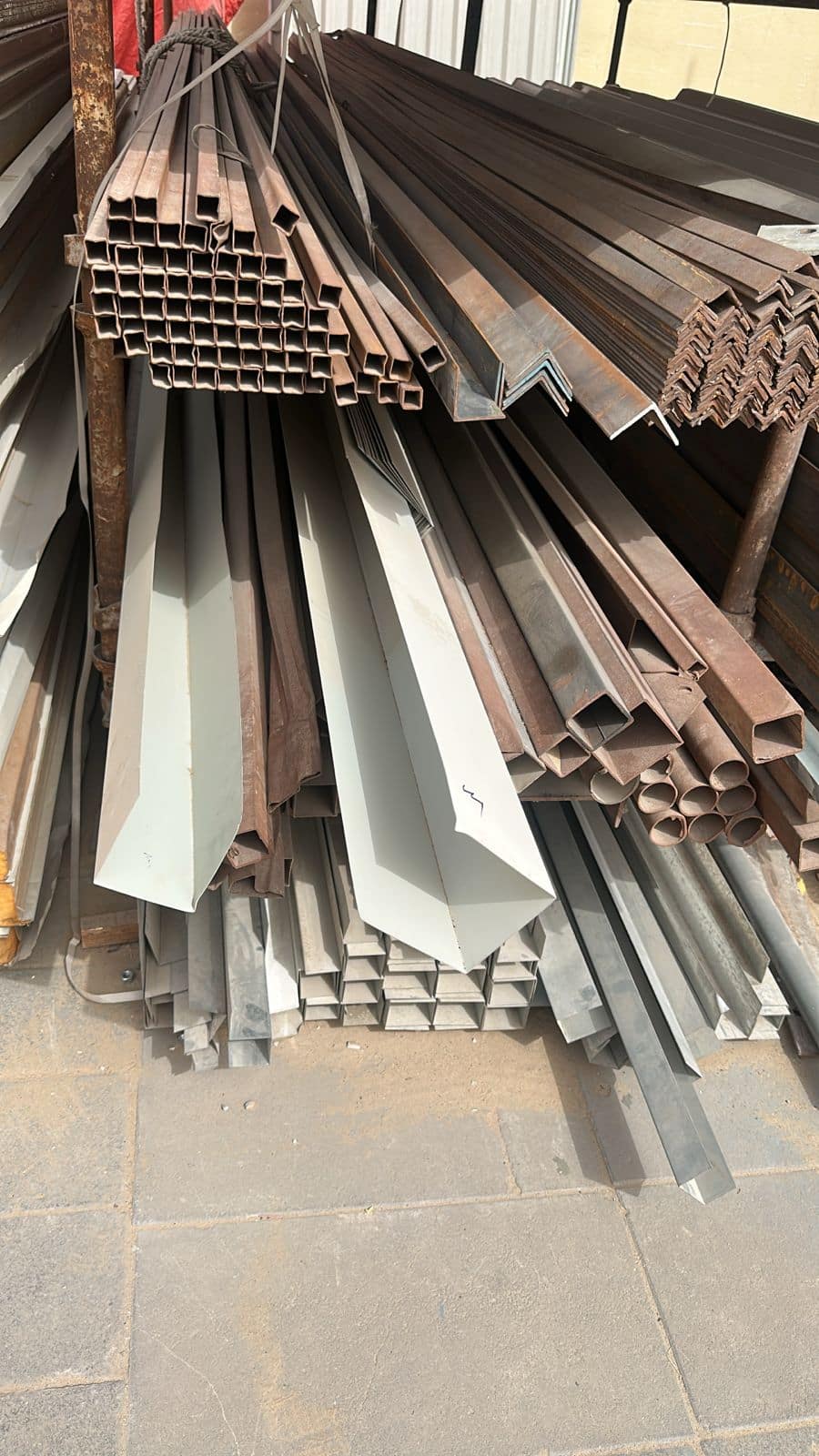
Used in construction projects, these tubes provide support for buildings, bridges, warehouses, and industrial structures.
Benefits of Steel Pipes and Tubes
Steel pipes and tubes offer numerous advantages, making them a preferred choice across industries.
High Strength and Durability:
Steel can withstand heavy loads, pressure, and extreme temperatures, ensuring long-term performance.
Corrosion Resistance:
Galvanized and stainless steel options protect against rust, moisture, and harsh environments.
Versatility:
Steel pipes and tubes can be used in plumbing, construction, manufacturing, transportation, and infrastructure.
Low Maintenance:
They require minimal maintenance and have a long lifespan compared to other materials.
Cost-Effective:
Due to their durability and strength, steel pipes and tubes provide long-term value and reduce replacement costs.
Applications in Construction and Industry
Steel pipes and tubes are essential across multiple sectors. In construction, they are used for structural frameworks, scaffolding, handrails, and support systems. In infrastructure projects, they are used for water supply lines, drainage systems, and utility networks.
In the oil and gas industry, steel pipes are used for transporting petroleum products and natural gas over long distances. In manufacturing, steel tubes are used to create machinery components, industrial equipment, and storage systems.
The automotive industry also relies heavily on steel tubes for chassis, exhaust systems, and structural reinforcements. In agriculture, they are used for irrigation systems, fencing, and equipment fabrication.
Choosing the Right Steel Pipes and Tubes
Selecting the right steel pipe or tube depends on several factors, including application, load requirements, environmental conditions, and budget. For high-pressure systems, seamless pipes are recommended. For outdoor installations, galvanized pipes provide corrosion resistance. Stainless steel tubes are ideal for hygienic or moisture-prone environments.
It is also important to consider size, thickness, and grade when choosing steel materials. Proper selection ensures safety, durability, and efficiency in any project.
Importance of Quality and Standards
Quality plays a crucial role in the performance of steel pipes and tubes. High-quality materials ensure resistance to pressure, impact, and environmental conditions. Reliable suppliers follow strict manufacturing standards and testing procedures to deliver consistent products.
Using certified steel materials reduces the risk of failure, improves structural integrity, and enhances overall project safety. This is especially important for large-scale industrial and infrastructure projects.
Future Demand for Steel Pipes and Tubes
With rapid urbanization, industrial development, and infrastructure expansion, the demand for steel pipes and tubes continues to grow worldwide. New technologies and improved manufacturing processes are enhancing product quality and performance. Sustainable practices and recyclable steel materials are also contributing to eco-friendly construction and industrial solutions.
As industries evolve, steel pipes and tubes will remain a fundamental component for transporting resources, supporting structures, and building modern infrastructure.
Conclusion
Steel pipes and tubes are essential materials for construction, infrastructure, and industrial applications. Their strength, durability, versatility, and resistance to environmental conditions make them a reliable choice for a wide range of projects.
From plumbing and pipelines to structural frameworks and machinery, these materials provide long-lasting performance and cost-effective solutions. Investing in high-quality steel pipes and tubes ensures safety, efficiency, and durability, making them a valuable asset in modern engineering and construction.