Best Structural I-Beams, Primary & Secondary Beams, Columns UAE
I-Beams , Primary & Secondary Beams, and Columns – The Structural Backbone of Modern Construction

In modern construction and industrial projects, structural steel plays a vital role in ensuring strength, safety, and long-term performance. Among the most commonly used steel components are I-beams, primary beams, secondary beams, and columns. These elements work together to transfer loads efficiently and create stable frameworks for buildings, warehouses, factories, and infrastructure projects. Understanding their function and application is essential for selecting the right structural system.
What Is an I-Beam?
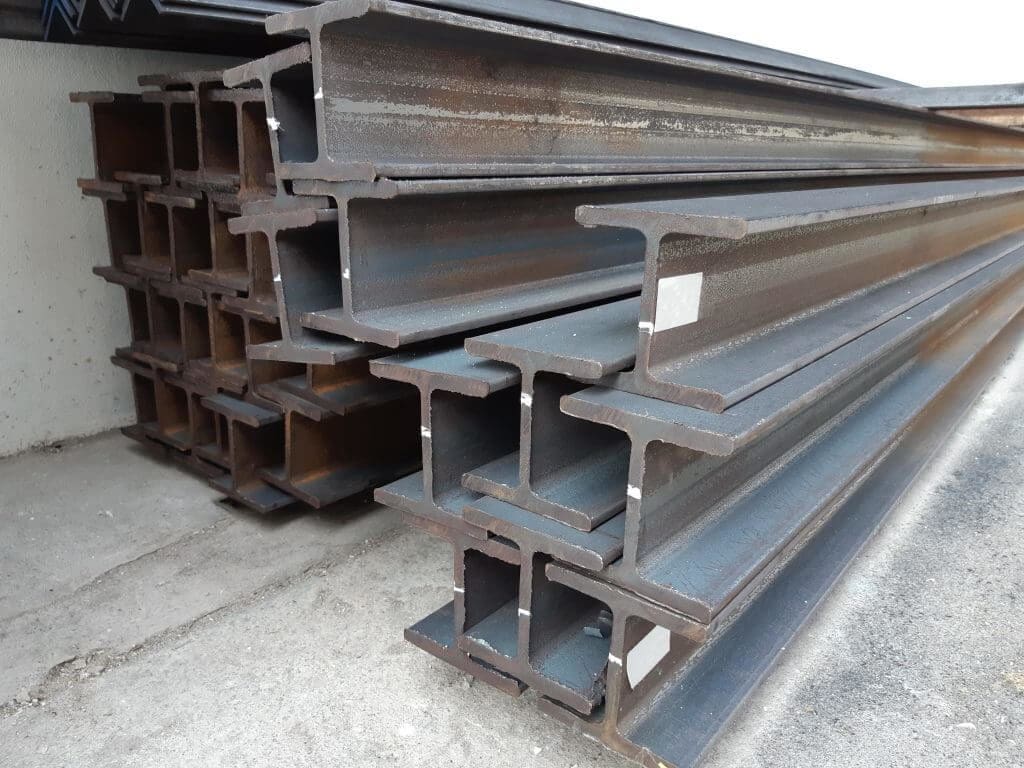
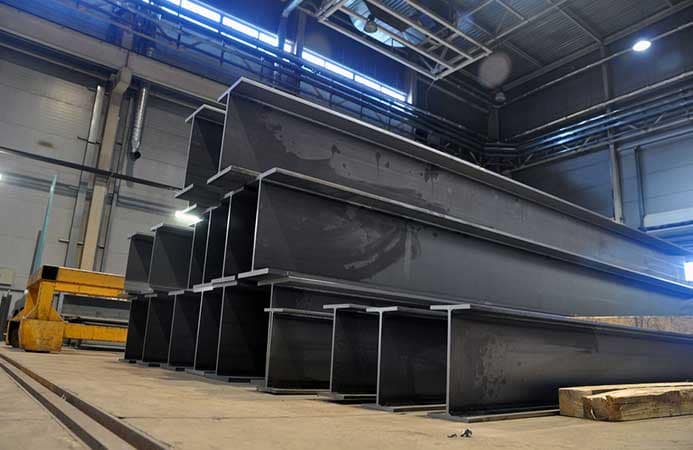
An I-beams , also known as an H-beam or universal beam, is a steel section shaped like the letter “I”. This shape allows the beam to carry heavy loads while using less material compared to solid steel sections. The top and bottom flanges resist bending, while the vertical web handles shear forces, making I-beams highly efficient and economical.
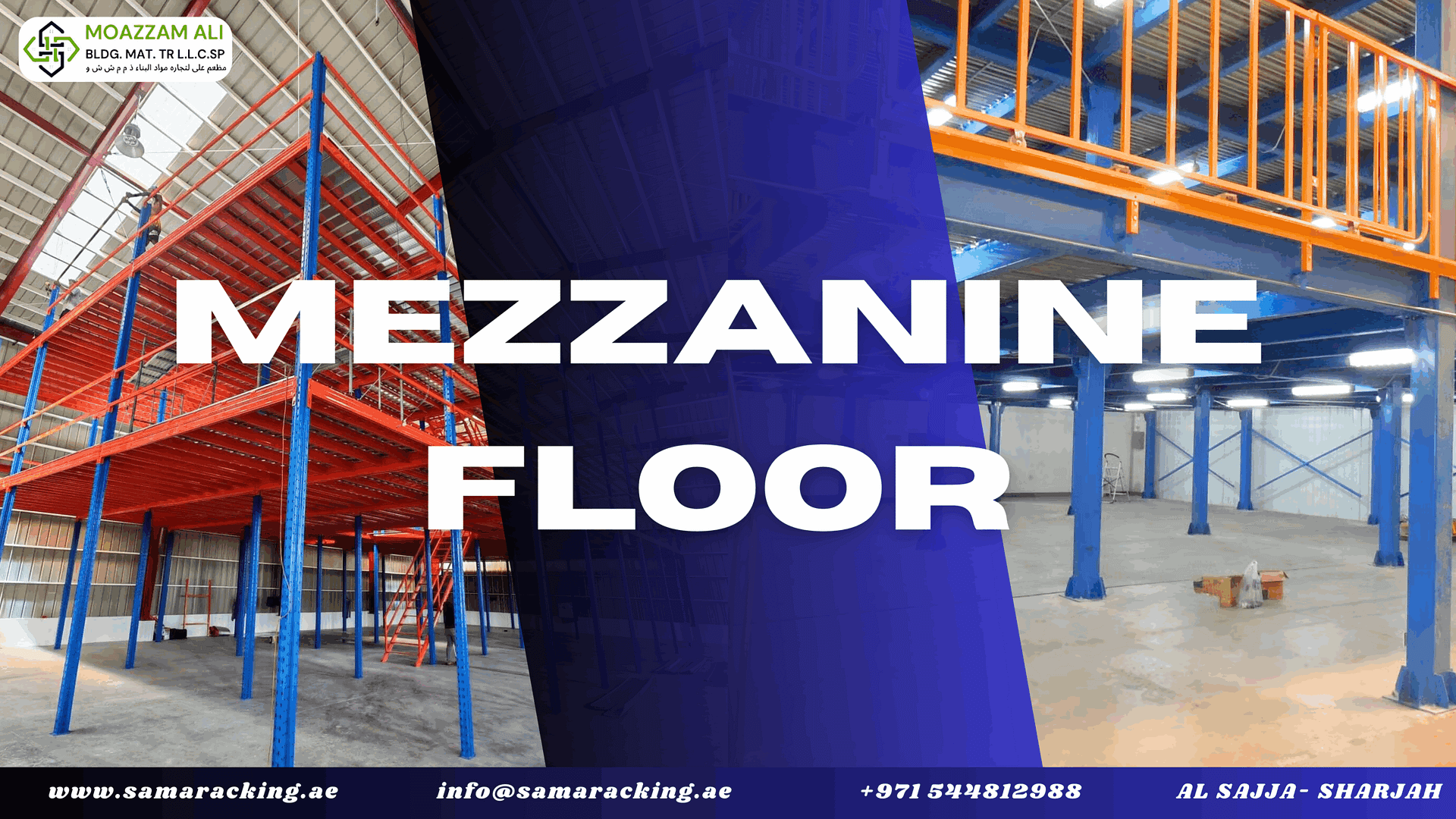
I-beams are widely used in construction due to their high load-bearing capacity, dimensional stability, and ease of installation. They are commonly applied in floors, roofs, platforms, mezzanines, bridges, and heavy industrial structures. Their standardized sizes also allow for faster fabrication and accurate structural planning.
Primary Beams – The Main Load Carriers
Primary beams are the main horizontal structural members in a steel framework. They receive loads directly from slabs, secondary beams, and other structural elements and transfer these loads to the columns. Because of this critical role, primary beams are designed to handle significant bending moments and loads.
Typically, primary beams are made from heavy I-beams or universal beams to ensure sufficient strength. They run between columns and form the core support system of the structure. In warehouses and industrial buildings, primary beams often support crane loads, heavy machinery, or mezzanine floors, making their correct design and installation essential.
Proper alignment, connection detailing, and load calculation are key factors in primary beam installation. When designed and installed correctly, primary beams provide overall stability and prevent excessive deflection or structural failure.
Secondary Beams – Supporting and Distributing Loads
Secondary beams work in coordination with primary beams. They are smaller horizontal members that span between primary beams and support floor decks, roof sheets, or slabs. Their main function is to distribute loads evenly and reduce the span of primary beams, improving overall structural efficiency.
Secondary beams are generally lighter than primary beams, but they are equally important for load distribution and structural balance. They help control deflection, improve rigidity, and allow for flexible layouts in building design. In steel structures such as mezzanines, platforms, and industrial sheds, secondary beams make it possible to optimize material usage without compromising safety.
Columns – Vertical Load Transfer Elements
Columns are vertical structural members that transfer loads from beams and slabs down to the foundation. They are one of the most critical components of any building or steel structure. Columns carry compressive loads and must be designed to resist buckling, bending, and axial forces.
Steel columns are commonly made from I-sections, H-sections, box sections, or circular hollow sections, depending on load requirements and architectural design. In industrial and commercial buildings, steel columns are preferred due to their high strength-to-weight ratio, faster erection, and adaptability to future expansion.
Correct column positioning, base plate installation, and anchoring are essential to ensure stability. A well-designed column system ensures the entire structure remains safe under dead loads, live loads, and environmental forces such as wind.
How These Elements Work Together
In a complete structural system, I-beams, primary beams, secondary beams, and columns function as a unified framework. Loads from floors and roofs are first transferred to secondary beams, then to primary beams, and finally down through columns to the foundation. This systematic load path ensures balanced stress distribution and structural safety.
This integrated approach allows engineers to design cost-effective and efficient steel structures that meet performance and safety standards. Proper coordination between these elements also allows for easy installation of MEP services, fire protection systems, and future modifications.
Advantages of Steel Beam and Column Systems
Steel beam and column structures offer several advantages:
- High load-bearing capacity
- Faster construction and installation
- Design flexibility and scalability
- Reduced material wastage
- Long service life with proper protection
These benefits make steel structural systems ideal for warehouses, factories, commercial buildings, and multi-level platforms.
Conclusion
I-beams, primary beams, secondary beams, and columns form the backbone of modern steel construction. Each element plays a distinct role, but together they create a strong, reliable, and efficient structural system. By using properly designed and installed steel members, construction projects achieve enhanced safety, durability, and performance.
Whether for industrial, commercial, or infrastructure applications, understanding these structural components ensures smarter design decisions and long-lasting construction solutions.