The Importance of Racking Systems in Modern Warehousing
In today’s fast-paced retail and logistics environment, efficient storage solutions are vital for maximizing productivity and minimizing operational costs. Among the various options available, racking systems have emerged as a crucial component in modern warehousing. This article delves into the importance of racking systems, their types, and how they can significantly enhance warehouse efficiency.
What are Racking Systems?
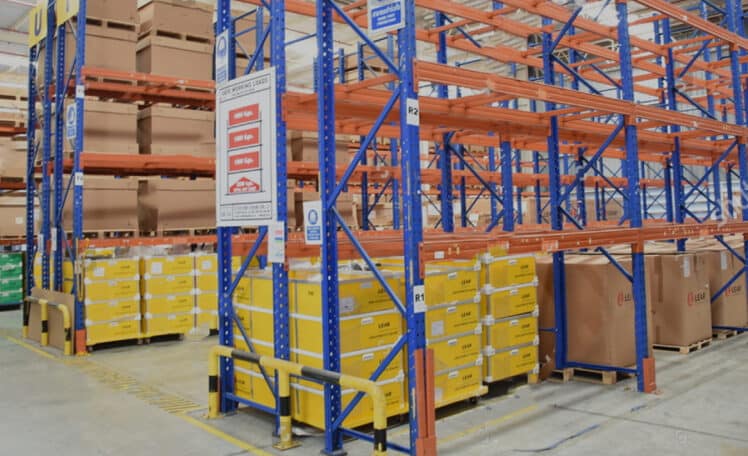
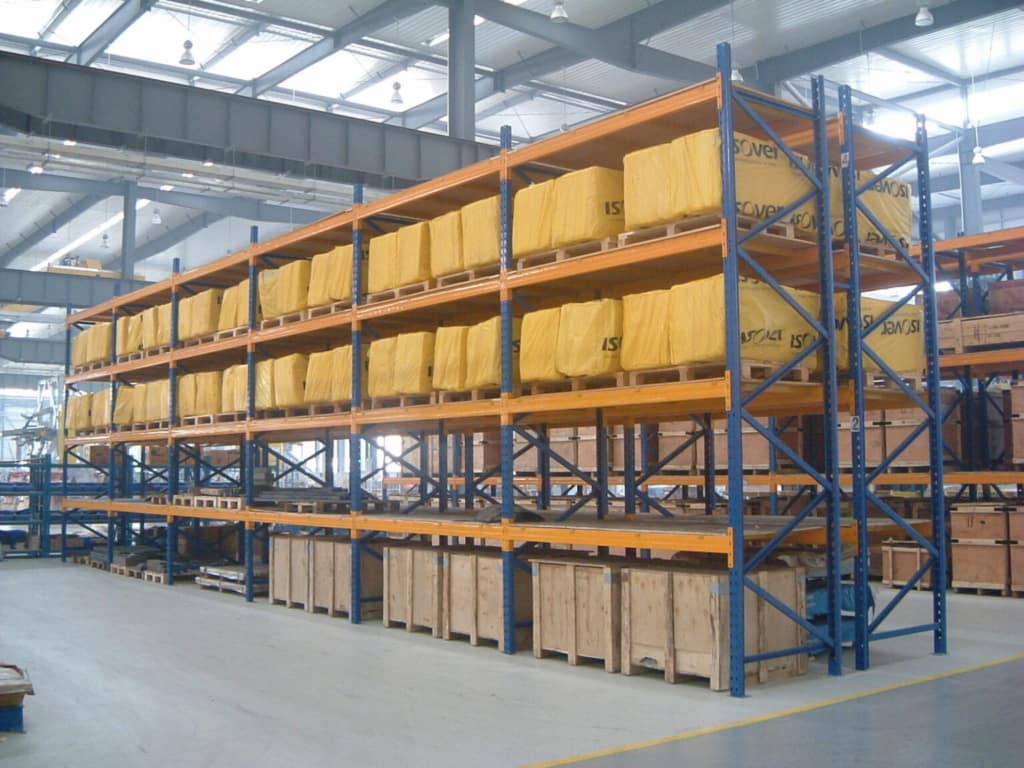
Racking systems are storage solutions that utilize vertical space in warehouses. They consist of frameworks that support shelves or pallets, allowing for organized storage of goods. These systems can be customized based on the specific needs of a warehouse, whether for heavy-duty items or smaller, lighter products. By optimizing vertical space, racking systems enable businesses to store more inventory without expanding their physical footprint.
Why Racking Systems Matter
1. Space Optimization
One of the primary advantages of racking systems is their ability to maximize space. Warehouses often have high ceilings that can be utilized for storage, and racking systems allow businesses to take full advantage of this vertical space. This not only increases storage capacity but also reduces the need for additional warehouse space, thereby saving costs on rent and utilities.
2. Improved Inventory Management
Racking systems facilitate better inventory management. With organized storage, warehouse staff can easily locate and access items, reducing the time spent searching for products. This efficiency translates into faster order fulfillment and enhanced customer satisfaction. Furthermore, racking systems can be designed to accommodate specific inventory management systems, allowing for better tracking of stock levels and reducing the likelihood of overstocking or stockouts.
3. Enhanced Safety
Safety is a paramount concern in any warehouse environment. Properly installed racking systems contribute to a safer workplace by providing stability and reducing the risk of accidents. With clearly defined storage locations and pathways, the likelihood of collisions between employees and equipment is minimized. Additionally, racking systems can be designed to withstand heavy loads, ensuring that products are stored securely.
4. Flexibility and Scalability
As businesses grow and evolve, their storage needs may change. Racking systems offer flexibility that allows for easy adjustments and reconfigurations. Whether a business needs to add more storage space or adapt to different product types, racking systems can be modified to meet these needs. This scalability is particularly beneficial for businesses experiencing rapid growth or seasonal fluctuations in inventory.
5. Cost-Effectiveness
Investing in racking systems can lead to significant long-term cost savings. By optimizing storage space, improving efficiency, and enhancing safety, businesses can reduce operational costs. Additionally, many racking systems are built to last, requiring minimal maintenance and replacement over time. The initial investment in a quality racking system often pays off in increased productivity and reduced labor costs.
Types of Racking Systems
Several types of racking systems are available, each designed for specific storage needs. Here are a few popular options:
1. Selective Racking
Selective racking is one of the most common types of racking systems. It allows for easy access to individual pallets, making it ideal for warehouses with a diverse range of products. This system maximizes storage space while ensuring that inventory can be rotated efficiently.
2. Drive-In Racking
Drive-in racking is designed for high-density storage. It allows forklifts to enter the racking structure to load and unload pallets, maximizing vertical space. This system is particularly effective for businesses with large quantities of similar products, as it enables a first-in, last-out (FILO) inventory system.
3. Push Back Racking
Push back racking offers a compromise between selective and drive-in racking. It allows for high-density storage while still providing some level of accessibility. This system uses carts that move back on rails, enabling easy access to multiple pallets without the need for a forklift to enter the racking structure.
4. Cantilever Racking
Cantilever racking is specifically designed for storing long or bulky items, such as lumber or pipes. This type of racking features arms extending from a vertical column, allowing for easy loading and unloading of large products. Cantilever racking is particularly useful for industries such as construction and manufacturing.
Choosing the Right Racking System
Selecting the right racking system for your warehouse involves several considerations:
- Inventory Type: Analyze the types of products you store. Are they heavy, bulky, or small? The inventory type will influence the choice of racking system.
- Available Space: Measure your warehouse space, including height and floor area. A good racking system should maximize vertical and horizontal space.
- Accessibility Needs: Consider how often products are accessed. Systems that allow easy access to frequently picked items can improve efficiency.
- Future Growth: Anticipate future inventory needs. Choose a racking system that can be easily expanded or modified as your business grows.
Conclusion
Racking systems play a vital role in enhancing the efficiency of modern warehouses. From maximizing space and improving inventory management to ensuring safety and scalability, these systems are essential for businesses aiming to optimize their operations. By investing in the right racking solution, companies can not only increase their storage capabilities but also reduce costs and enhance overall productivity.
In an ever-evolving business landscape, staying ahead requires strategic planning and effective storage solutions. Racking systems are not just a storage solution; they are a cornerstone of operational excellence in warehousing.