Best Mezzanine Floor in Dubai UAE: Common Mistakes and How to Maintain It

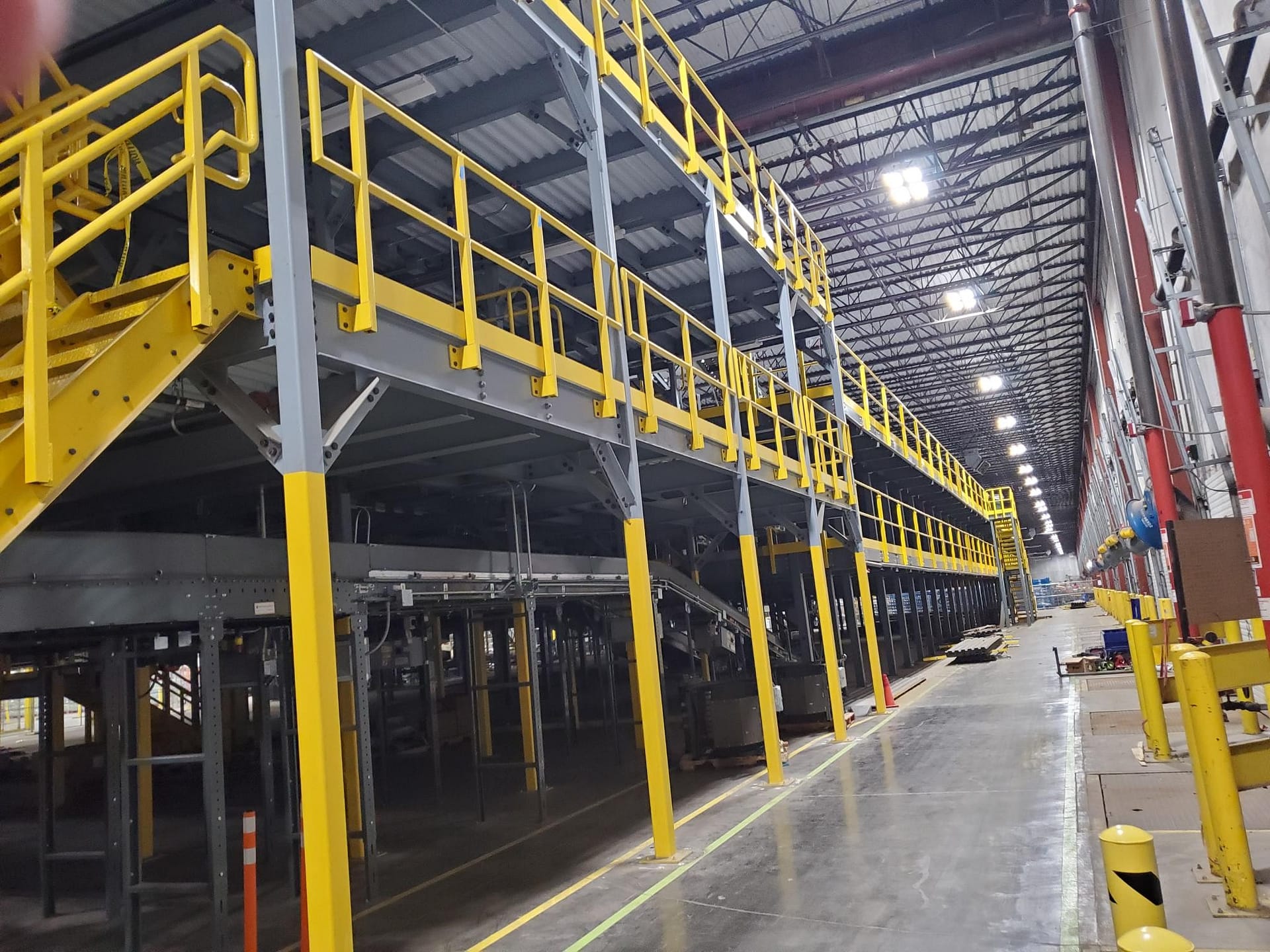
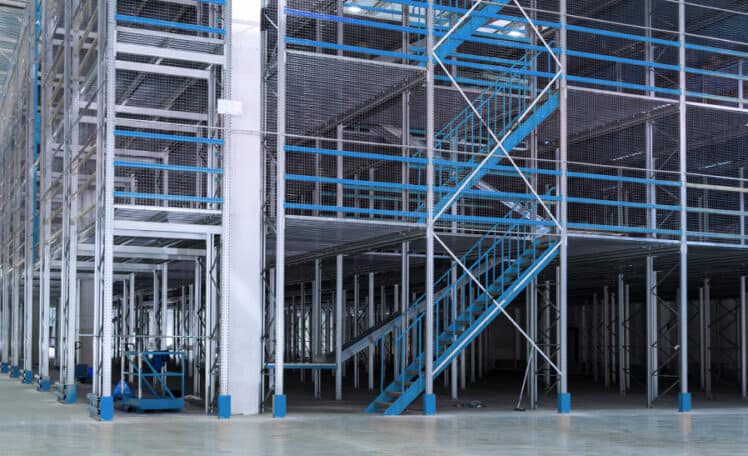
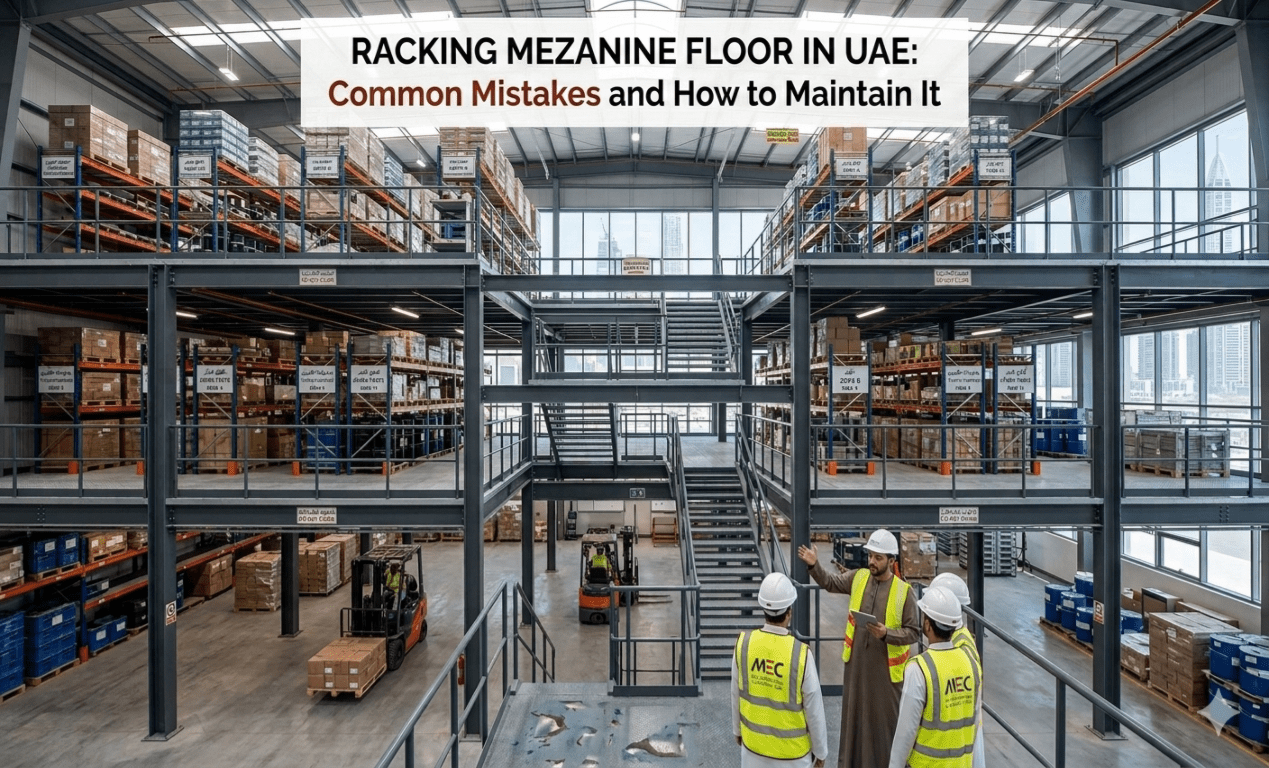
Mezzanine Floor in Dubai UAE have become one of the smartest ways for businesses in the UAE to unlock extra space without moving to a bigger property. Whether it’s a warehouse in Jebel Ali, a retail store in Deira, or a growing office in Business Bay, adding a mezzanine level is often far cheaper than relocating. But while the concept sounds simple — just add a floor in between — the execution is where many businesses in the UAE go wrong. Between the region’s building codes, extreme climate, and fast-paced construction culture, there are plenty of ways a mezzanine project can turn into a costly headache. Here’s a practical look at the mistakes companies commonly make, and how to keep a mezzanine floor safe and functional for years to come.
Mezzanine Floor in Dubai UAE Common Mistakes to Avoid
1. Ignoring Dubai Municipality and Civil Defence Approvals
One of the biggest and most expensive mistakes is skipping or rushing the approval process. In the UAE, mezzanine floors typically require sign-off from Dubai Municipality (or the relevant authority in other emirates), along with Civil Defence clearance for fire safety. Some business owners install a mezzanine first and try to get it approved later, only to find out it needs to be partially or fully dismantled because it violates height restrictions, occupancy limits, or fire escape requirements. Always confirm approvals before construction begins, not after.
2. Underestimating Load Capacity
Many mezzanine floors are used for storage, but owners frequently underestimate how much weight racking, machinery, or inventory will actually add. A structure designed for light storage can quickly become dangerous if it’s later used for heavier goods. Load calculations should always be done by a structural engineer based on actual intended use, not a rough guess, and any change in usage later on should trigger a re-evaluation.
3. Poor Ventilation and Cooling Planning
The UAE’s heat is unforgiving, and mezzanine floors — especially in warehouses with high ceilings — often become heat traps if ventilation isn’t planned properly. Hot air rises, and a poorly ventilated mezzanine can become uncomfortably hot or even unsafe for workers and stored goods. Skipping proper HVAC extension or ventilation design during the planning phase is a mistake that’s expensive to fix later.
4. Using Substandard Materials
To save on upfront costs, some contractors use lower-grade steel or flooring materials that aren’t suited to the UAE’s humidity and heat fluctuations, particularly near coastal areas like Dubai or Abu Dhabi. Over time, this leads to corrosion, warping, or weakening of structural elements. Investing in galvanized steel and moisture-resistant materials from the start saves significant repair costs down the line.
5. Inadequate Fire Safety Measures
Fire exits, smoke detectors, sprinkler systems, and fire-rated materials are often treated as afterthoughts rather than core design elements. In the UAE, Civil Defence has strict requirements for mezzanine floors, especially in commercial and industrial settings, including minimum clearances and dedicated escape routes. Cutting corners here isn’t just a compliance issue — it’s a genuine safety risk.
6. Poor Layout Planning
A mezzanine crammed with racking, equipment, or workstations without a logical layout wastes space and creates safety hazards. Aisles that are too narrow, blocked emergency exits, or poorly placed staircases are common issues that could have been avoided with better upfront planning.
How to Maintain a Mezzanine Floor in Dubai UAE Properly
Schedule Regular Structural Inspections
At least once or twice a year, have a qualified engineer inspect the structural framework, welds, bolts, and flooring for signs of stress, corrosion, or wear. Catching small issues early prevents them from becoming major structural problems.
Keep an Eye on Load Limits
Businesses change, and so does what gets stored on a mezzanine. Make it a habit to regularly review what’s being placed on the floor and compare it against the original load capacity. If usage has changed significantly, get the structure reassessed.
Maintain Anti-Corrosion Coatings
Given the UAE’s humidity, especially in coastal cities, protective coatings on steel structures should be checked periodically and reapplied when needed. This is especially important for mezzanines in industrial areas or near the coast.
Keep Fire Safety Systems Functional
Fire extinguishers, alarms, sprinklers, and emergency lighting on the mezzanine level should be tested regularly, not just installed and forgotten. Civil Defence compliance isn’t a one-time checkbox — it requires ongoing maintenance and periodic reassessment.
Clean and Declutter Regularly
Dust, debris, and disorganized storage aren’t just cosmetic issues — they can hide structural problems and create fire hazards. Regular cleaning and decluttering also make inspections easier and more effective.
Monitor for Signs of Wear
Cracks in flooring, unusual vibrations, sagging beams, or rust spots are all warning signs that shouldn’t be ignored. Addressing these early, rather than waiting for a scheduled inspection, can prevent costly downtime or safety incidents.
Final Thoughts
A well-built and well-maintained Mezzanine Floor in Dubai UAE can be one of the best investments a UAE business makes, effectively doubling usable space without the cost of relocation. The key is treating it as a proper structural project from day one, not a quick fix, and staying consistent with maintenance afterward. Getting the right approvals, using quality materials, planning for the climate, and keeping up with regular inspections are what separate a mezzanine floor that lasts for decades from one that becomes a liability.