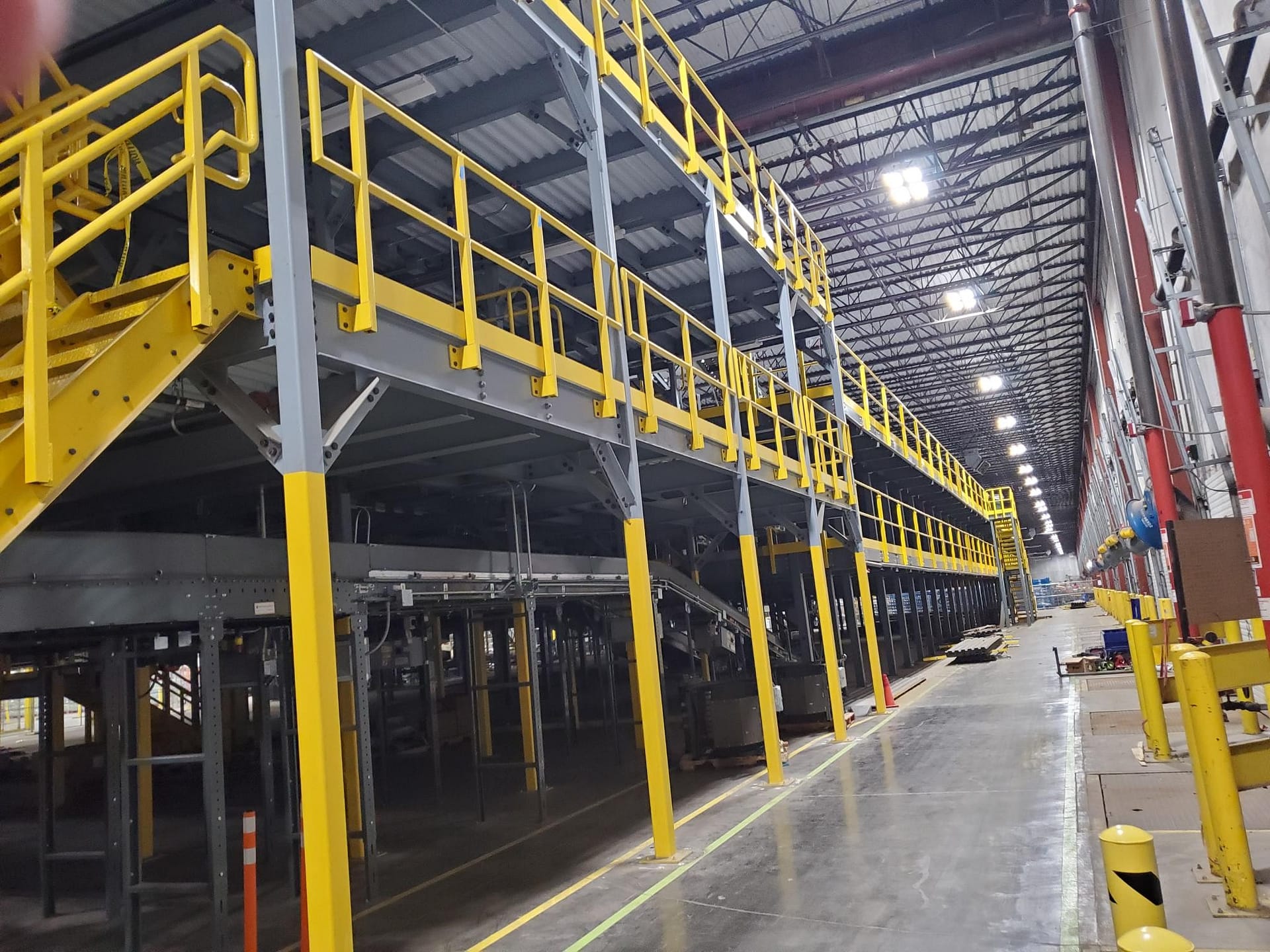
Mezzanine Floor UAE : Smart Warehouse Space Solutions for Industrial Storage
Mezzanine Floor Systems in UAE: A Smart Solution for Maximizing Warehouse Space

In modern warehouses and industrial facilities, efficient use of space is extremely important. As businesses grow, the need for additional storage and operational space increases. However, expanding a warehouse building can be expensive and time-consuming. This is where mezzanine floor systems provide an effective solution.
A mezzanine is an intermediate level installed between the main floors of a building. It creates additional usable space without requiring major structural modifications. In the UAE, mezzanine floors are widely used in warehouses, factories, logistics centers, and commercial facilities because they help businesses maximize available space while keeping costs under control.
What Is a Mezzanine Floor?
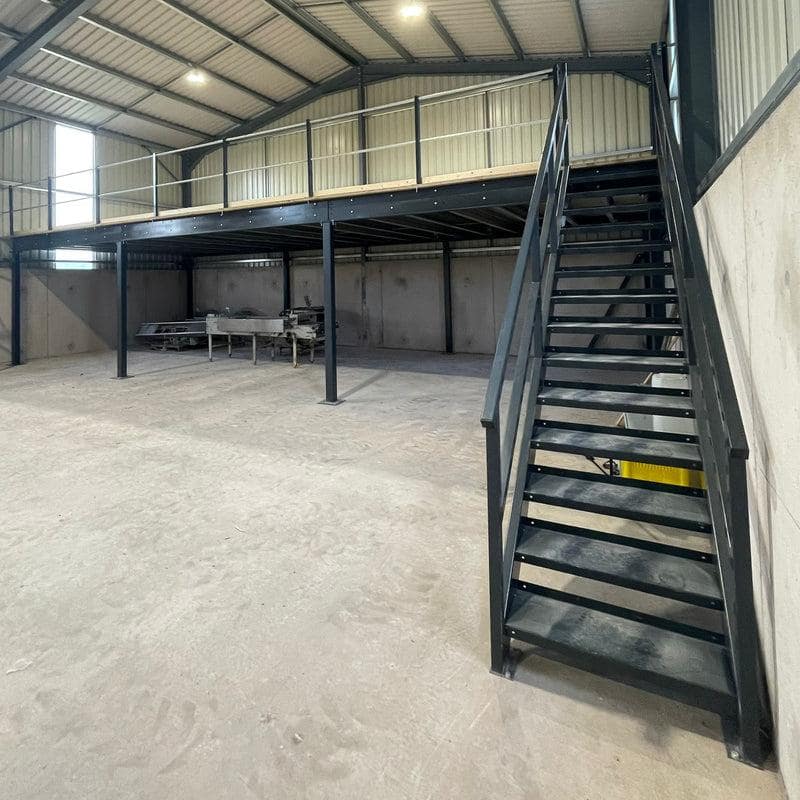
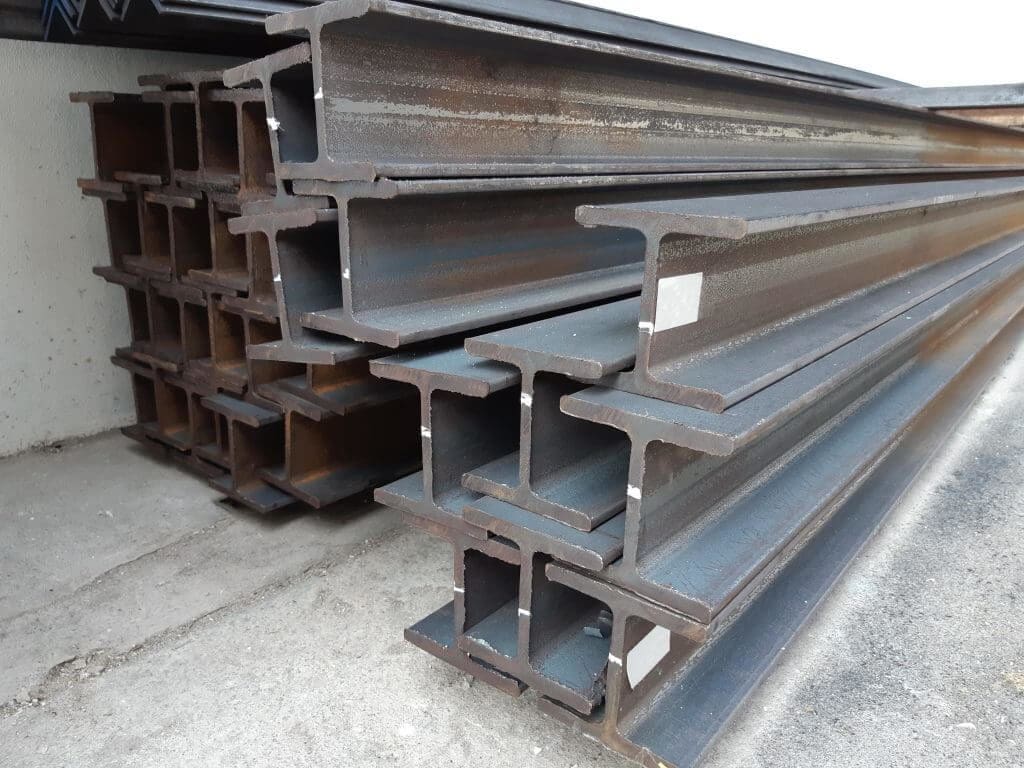
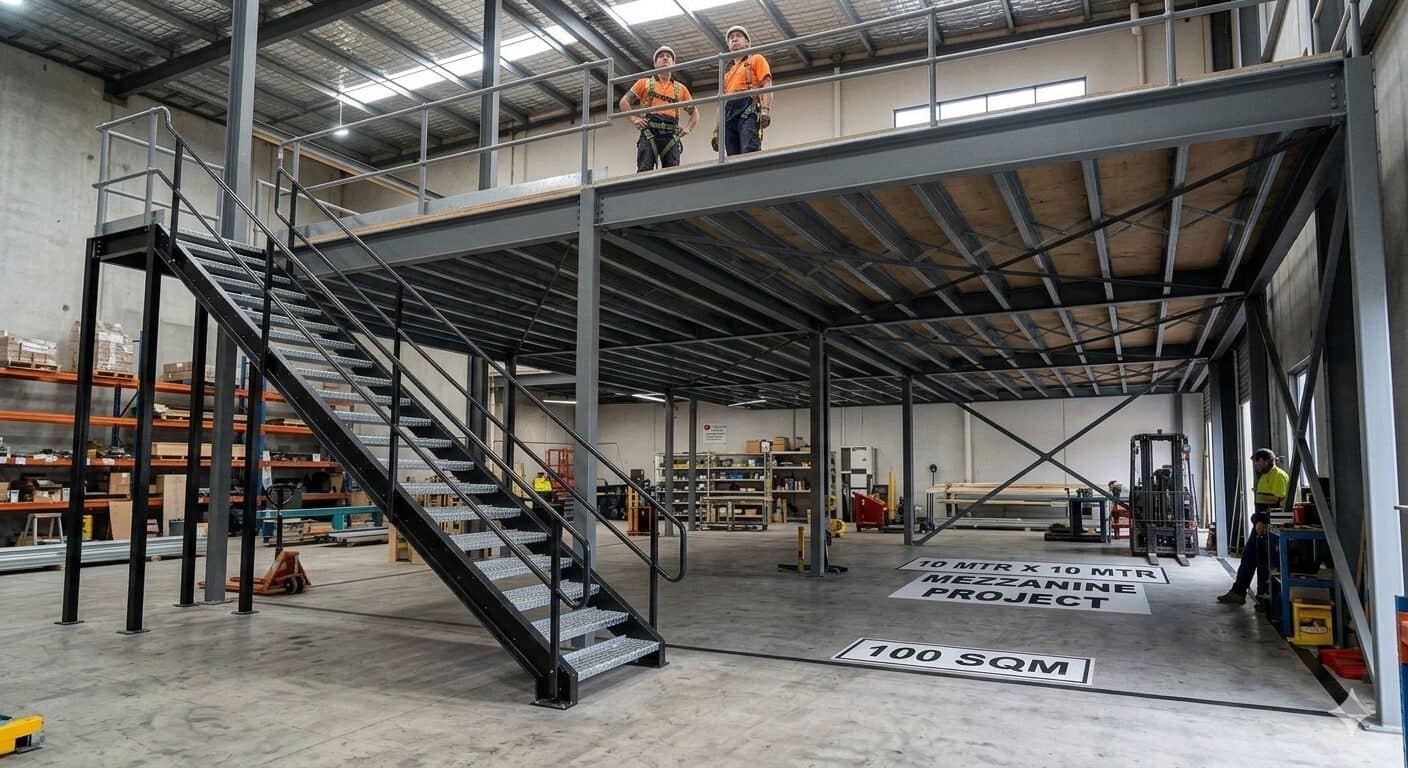
A mezzanine floor is a raised platform constructed inside an existing building structure. It is usually made from steel columns, beams, and decking materials designed to support storage or workspace areas. The purpose of a mezzanine floor is to create extra floor space above the ground level without expanding the building footprint.
These systems are commonly used in warehouses where vertical space is available but not fully utilized. Instead of building a larger facility, companies can install a mezzanine floor to create additional storage areas, offices, or workstations.
Because mezzanine floors are modular and customizable, they can be designed according to the specific requirements of a facility. This flexibility makes them an ideal solution for many industries.
Types of Mezzanine Floors
Different industries require different types of mezzanine systems. The design depends on the load capacity, layout, and intended use of the space.
Structural Steel Mezzanine Floors
Structural steel mezzanine are built using heavy-duty steel components that provide strong load-bearing capacity. These systems are commonly used in warehouses and manufacturing facilities where heavy goods or machinery need to be supported.
They are designed to handle high loads and are often customized to fit the exact dimensions of the building.
Rack-Supported Mezzanine Floors
Rack-supported mezzanine integrate storage racks with the mezzanine structure. Instead of separate columns, the racking system itself supports the platform. This design is very efficient because it combines storage and floor space in one system.
Many logistics and distribution centers use rack-supported mezzanines to maximize storage capacity.
Shelving-Supported Mezzanine Floors
Shelving-supported mezzanine use shelving units as the structural support for the platform above. This type of system is often used for lighter loads such as retail products, spare parts, or small items stored in warehouses.
It provides both storage shelves and an additional working platform.
Benefits of Mezzanine
One of the biggest advantages of installing a mezzanine is the ability to increase usable space without expanding the building. Businesses can effectively double their working area by utilizing vertical space.
Another important benefit is cost efficiency. Compared to constructing a new building or expanding an existing facility, installing a mezzanine is much more affordable. It also requires less construction time, allowing companies to continue operations with minimal disruption.
Mezzanine floors are also highly flexible. They can be customized according to the layout and operational needs of a facility. Many systems are modular, which means they can be expanded or modified as business requirements change.
Safety is another important factor. Modern mezzanine floors are designed with safety features such as guardrails, staircases, and non-slip flooring to ensure safe access and movement within the facility.
Applications of Mezzanine in UAE
In the UAE, mezzanine are widely used in various industries. Warehouses and logistics centers frequently install mezzanine to increase storage capacity and improve inventory management.
Manufacturing facilities use mezzanine platforms to create additional workspace for assembly lines, machinery, or packaging areas. This helps optimize production processes while maintaining an organized layout.
Retail businesses also use mezzanine in showrooms and storage facilities. These platforms allow retailers to store products above the main floor while keeping the ground level available for customer areas.
E-commerce companies have also adopted mezzanine systems in their fulfillment centers. With growing demand for online shopping, efficient storage and order processing systems are essential for maintaining fast delivery operations.
Conclusion
Mezzanine floor systems have become an essential solution for businesses looking to maximize space in warehouses and industrial facilities across the UAE. By utilizing unused vertical space, companies can significantly increase storage capacity and improve operational efficiency.
With their strong construction, flexible design, and cost-effective installation, mezzanine provide a practical alternative to expensive building expansions. As industries continue to grow and demand for storage increases, mezzanine floor systems will remain a valuable investment for businesses seeking smarter space management solutions.