Best Chequer Plate for Mezzanine Floor : Warehouse Flooring Guide UAE
Mezzanine Floor Steel Grade and Chequer Plate: Choosing the Best Material for Warehouse Storage

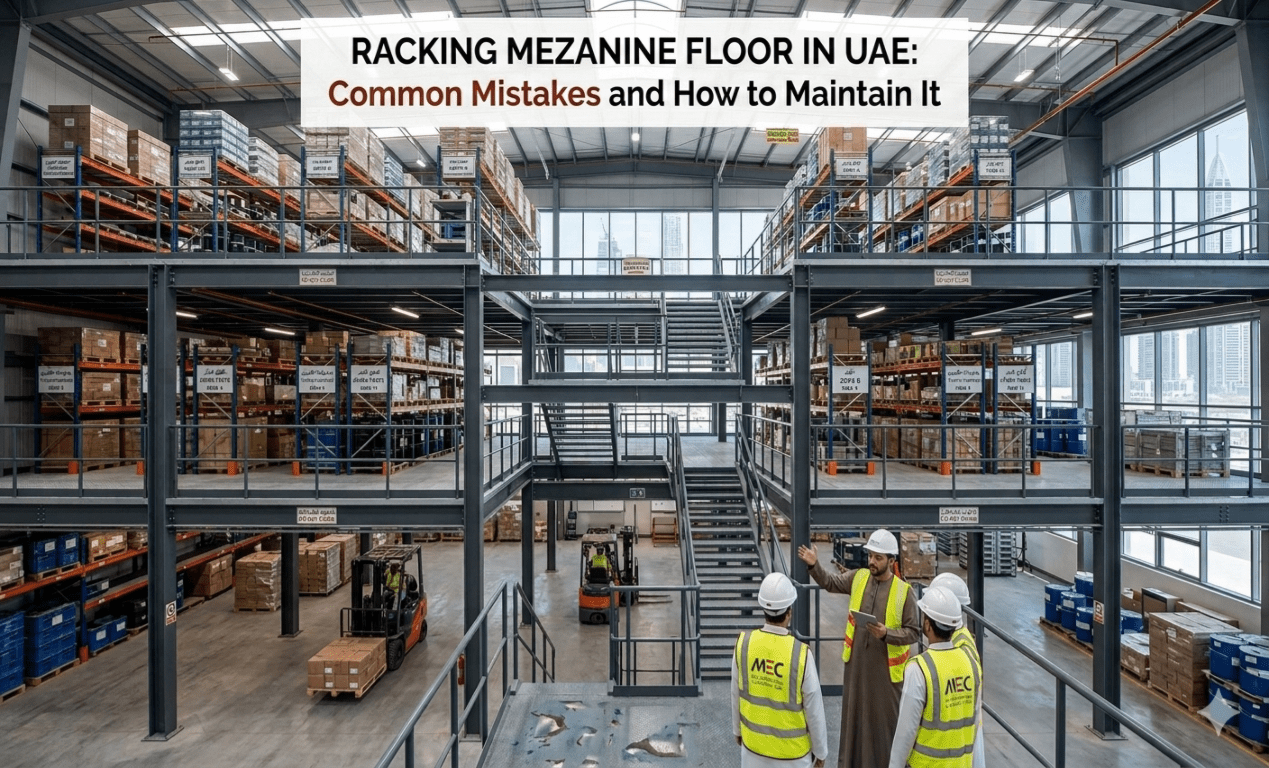
A mezzanine floor is one of the most practical solutions for increasing storage space inside warehouses, factories, and commercial buildings. Instead of expanding the building horizontally, a mezzanine floor allows businesses to use the vertical space efficiently. This makes it a cost-effective way to create additional storage areas, offices, or production zones without major construction work.
However, the strength and safety of a mezzanine floor depend heavily on the materials used in its structure and decking. Two important factors are the steel grade used for the frame and the type and thickness of the chequer plate used for flooring. Choosing the right combination ensures durability, load capacity, and long-term reliability.
Understanding the Structure of a Mezzanine Floor
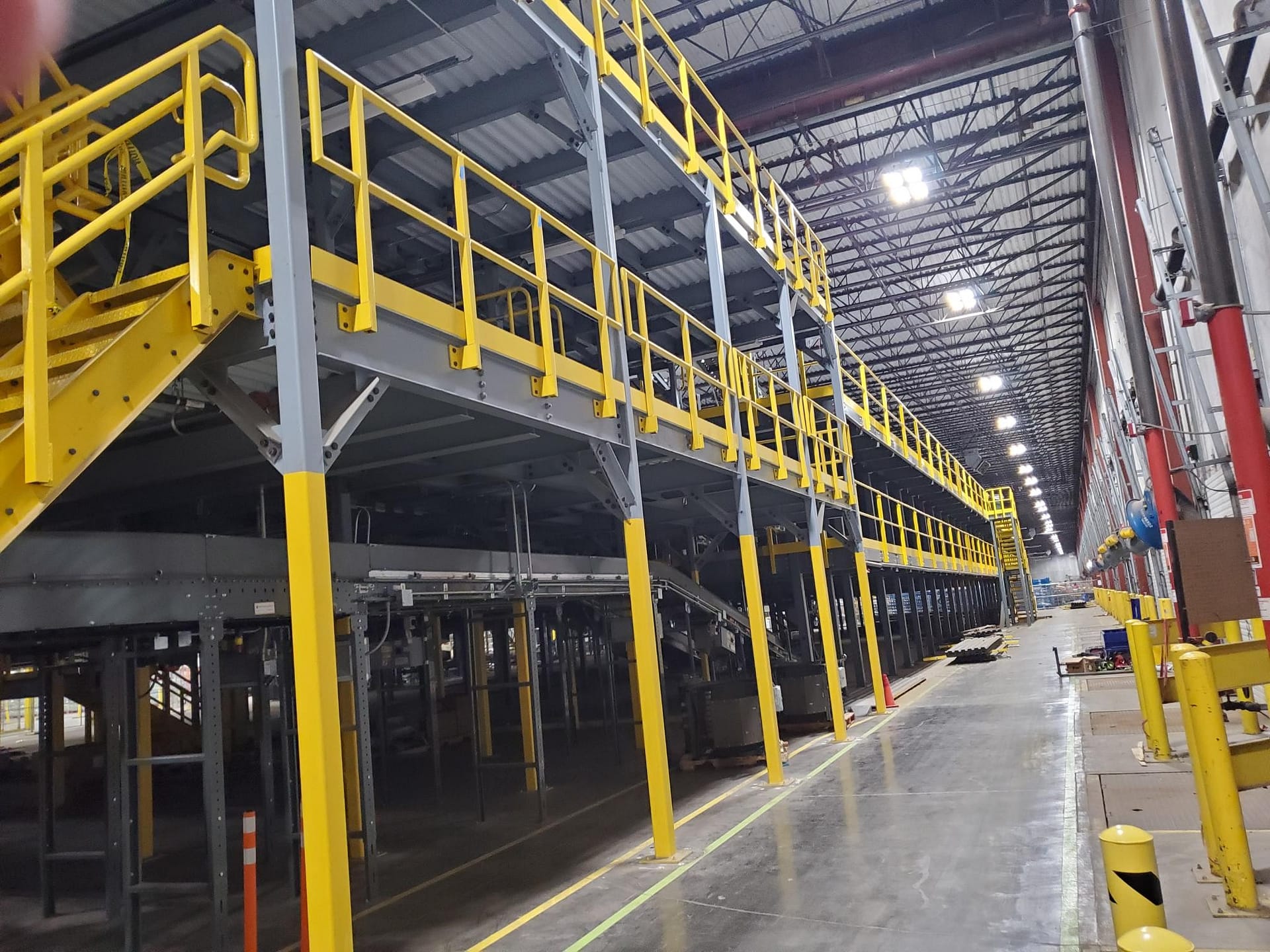
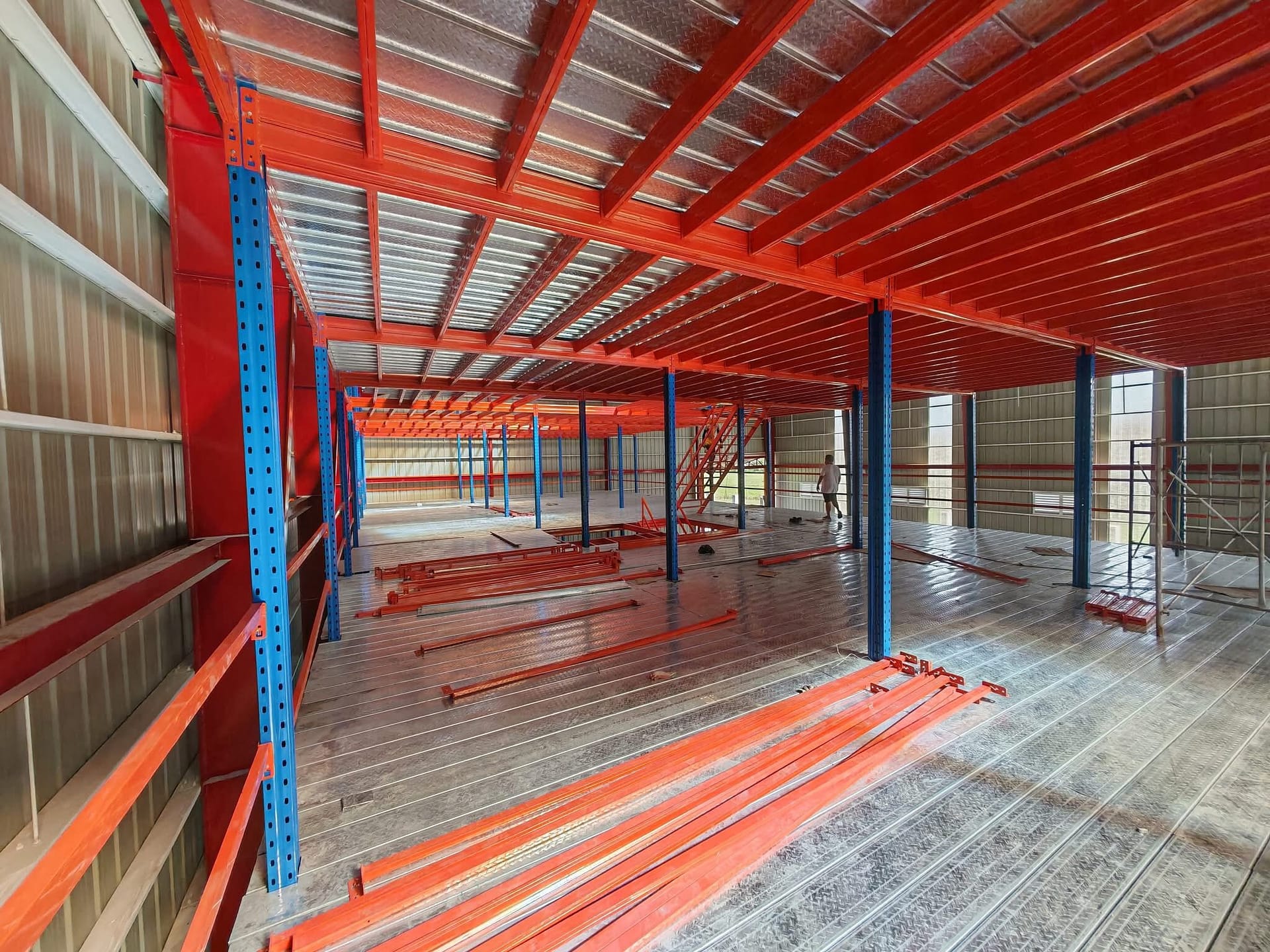
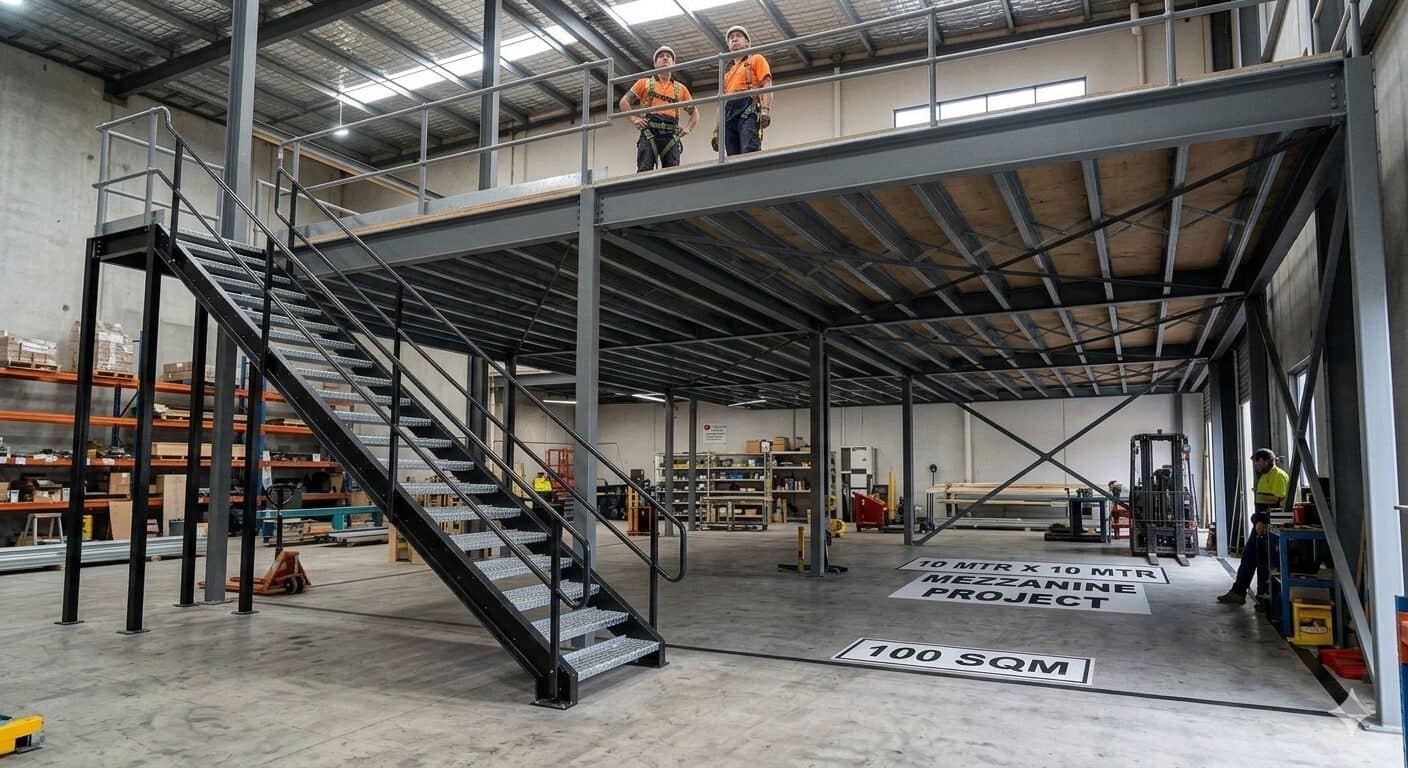
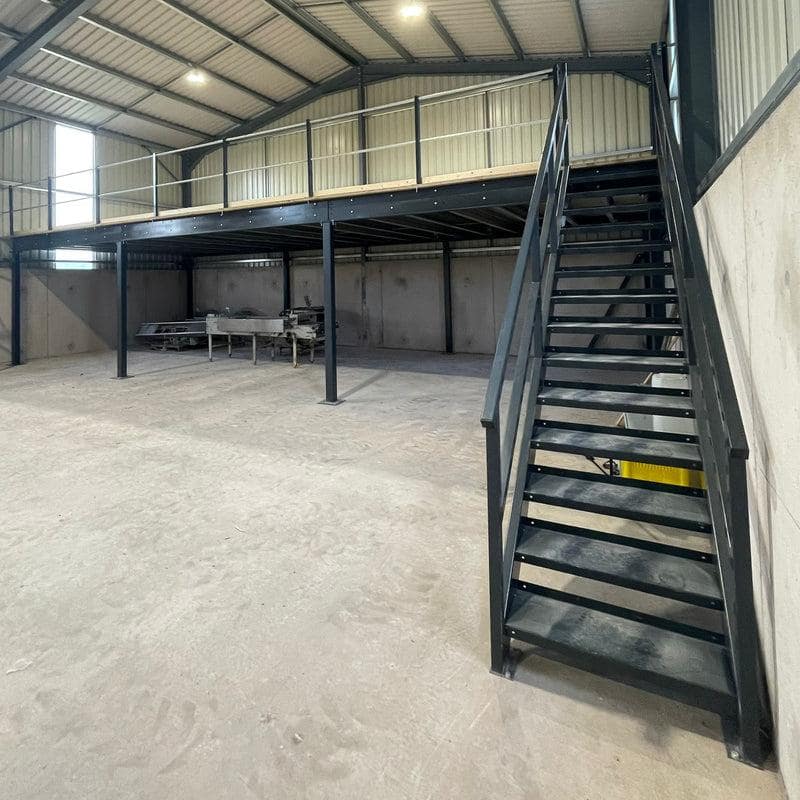
A typical mezzanine floor system consists of several structural components. These include vertical columns, horizontal beams, joists, and the decking surface where people or goods are placed. All these parts must work together to support the expected load.
The steel frame provides the main structural strength, while the floor decking distributes the load evenly across the beams. If the wrong grade of steel or weak flooring material is used, it can lead to safety risks or structural damage over time.
For this reason, professional mezzanine floor systems are always designed according to load requirements and engineering standards.
Best Steel Grades for Mezzanine Floor Structures
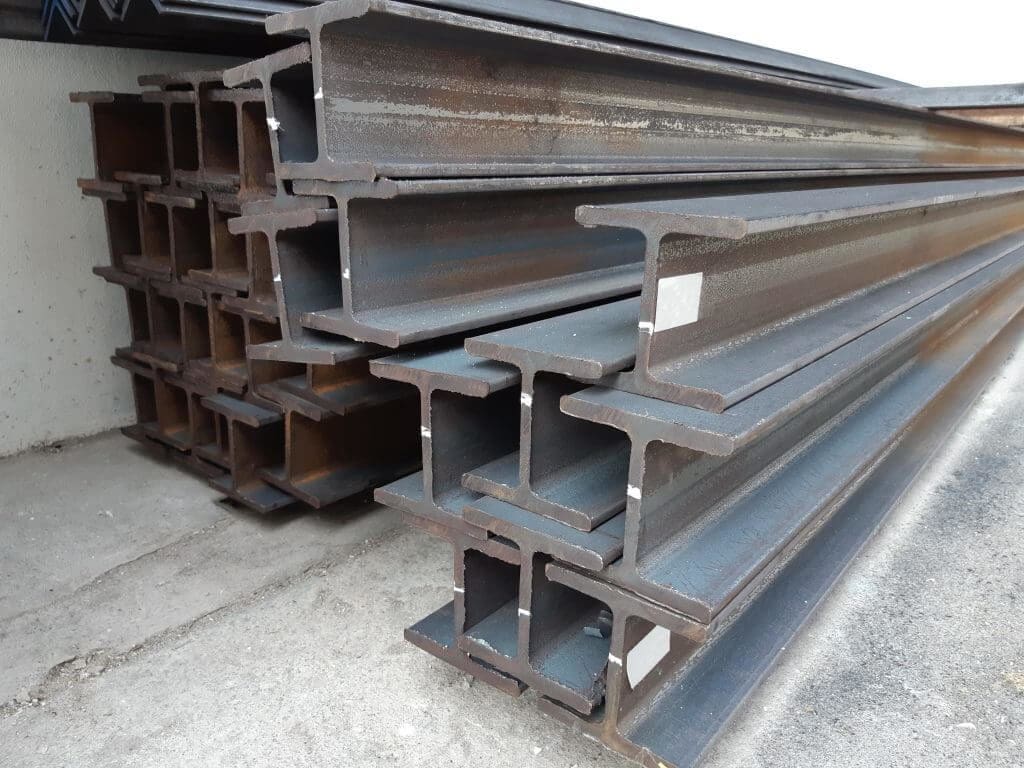
The steel used in floors must be strong, durable, and capable of handling different types of warehouse loads. The most commonly used structural steel grades include S275, S355, and ASTM A36.
S275 steel is widely used for standard mezzanine floors. It provides good strength and flexibility, making it suitable for light to medium storage applications such as cartons, small goods, or office areas.
S355 steel is a higher-strength structural steel that can support heavier loads. It is often used in warehouses where pallet storage, machinery, or large inventory items are stored. Because of its higher strength, S355 allows longer spans between columns and beams, which can create more open floor space.
ASTM A36 steel is another common grade used internationally for structural fabrication. It offers reliable mechanical properties and is widely accepted in construction and industrial projects.
Among these options, S275 and S355 are generally considered the best choices for mezzanine floor structures, depending on the load capacity required.
Importance of Chequer Plate Flooring
The decking surface of a mezzanine floor plays an equally important role. One of the most commonly used materials is steel chequer plate, also known as diamond plate or checker plate.
Chequer plates have raised patterns on their surface that provide an anti-slip finish. This makes them ideal for industrial environments where safety is essential. Workers can move easily on the floor even when carrying materials or operating equipment.
In addition to safety, chequer plates are also known for their strength and durability. They can handle heavy loads and resist wear and tear over time. This is why many warehouses, factories, and logistics facilities prefer this type of flooring.
Recommended Chequer Plate Thickness
The thickness of the chequer plate depends on the type of load the mezzanine floor will support. Using the correct thickness ensures that the floor remains stable and does not bend under pressure.
For light-duty applications, such as office storage or small goods, a 3 mm chequer plate may be sufficient.
For medium-duty warehouse storage, a 4 mm chequer plate is commonly used. It provides better strength and can support heavier inventory.
For heavy-duty warehouse operations, a 5 mm chequer plate is often recommended. This thickness can handle high loads and frequent movement of goods.
In industrial environments where extremely heavy equipment or machinery is placed on the mezzanine floor, 6 mm or thicker plates may be used.
Among these options, 4 mm and 5 mm chequer plates are generally considered the best balance between strength, safety, and cost for most warehouse mezzanine floors.
Typical Load Capacity for Mezzanine Floors
Different businesses require different load capacities depending on how the mezzanine floor will be used.
Light storage areas may require around 300 kg per square meter, while standard warehouse storage often needs 500 kg per square meter. Heavy industrial mezzanine floors can be designed for 750 kg to 1000 kg per square meter or more.
Proper engineering design ensures that the steel structure, beams, and decking materials work together to support these loads safely.
Why Professional Design Matters
Although mezzanine floors may look simple, their design requires proper structural calculations. Factors such as load distribution, column spacing, beam size, and flooring material must all be carefully planned.
Working with experienced manufacturers and installers ensures that the mezzanine floor meets safety standards and performs reliably for many years.
Conclusion
Choosing the right materials is essential when installing a mezzanine floor in a warehouse or industrial facility. The combination of high-quality structural steel such as S275 or S355 and durable chequer plate flooring with the appropriate thickness provides the strength, stability, and safety required for daily operations.
When properly designed and installed, a mezzanine floor can transform unused vertical space into a highly efficient storage solution. It helps businesses expand their capacity, organize inventory better, and improve overall warehouse productivity without the need for costly building expansion.