

Best Reinforcement Rebar for High-Rise Buildings | Strength & Durability
Reinforcement Rebar for High-Rise Buildings: Strength and Durability
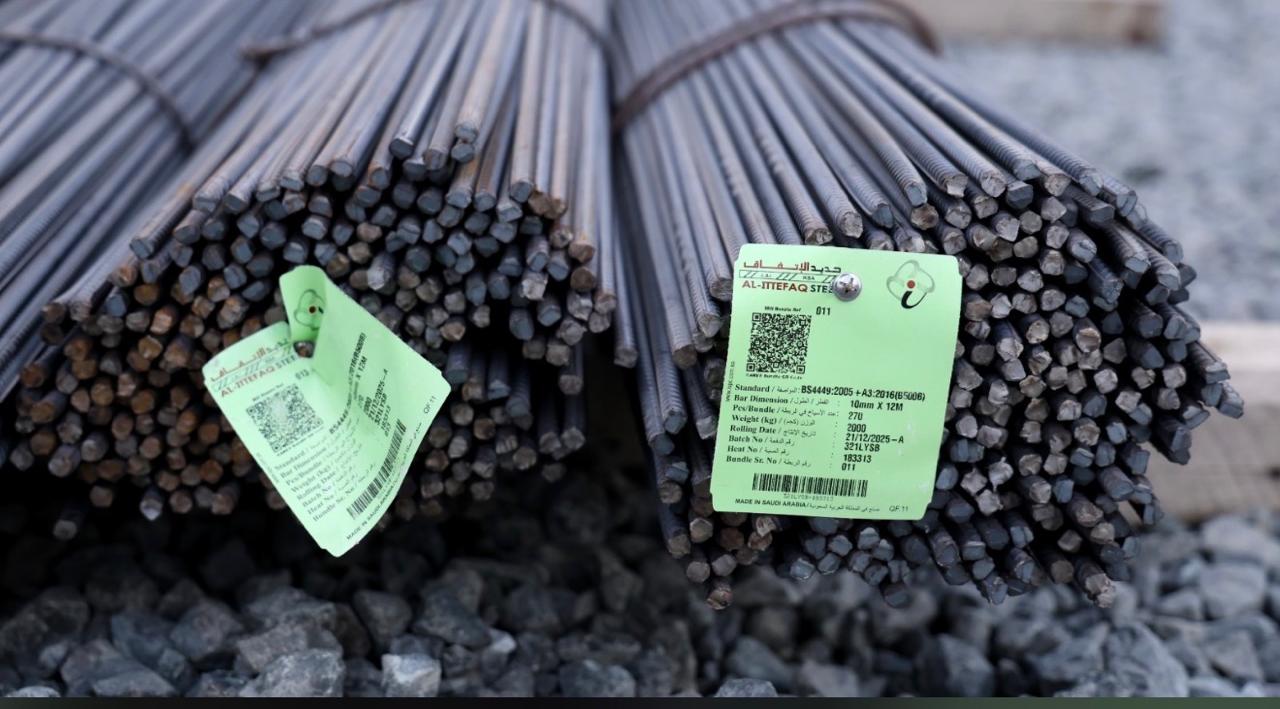
Look up at any tower in the UAE skyline and you see glass, steel, and clean lines. What you don’t see is the skeleton hidden inside the concrete. Reinforcement rebar does the quiet, heavy work that keeps a high-rise standing through decades of load, wind, heat, and humidity. Choosing the right rebar isn’t a minor line item on a bill of quantities. It’s one of the decisions that shapes how safe and long-lasting a building will be.
Why Reinforcement Rebar for High-Rise Buildings Matters More in High-Rise Construction
Concrete is excellent at handling compression, but it’s weak when pulled or stretched. Rebar fills that gap. Once steel bars are embedded in concrete, the two materials work as one, with concrete carrying the squeezing forces and steel taking the tension.
In a low-rise building, the loads are fairly modest. In a high-rise, everything is amplified. Columns carry the weight of dozens of floors, shear walls resist lateral wind forces, and slabs span large areas under constant use. A small weakness in the reinforcement can turn into a serious problem when it’s multiplied across that much height and weight.
Understanding Reinforcement Rebar for High-Rise Buildings Grades
Reinforcement Rebar for High-Rise Buildings Not all rebar is equal. Grade tells you the yield strength of the steel, meaning how much stress it can take before it starts to deform permanently.
- Grade 60 (roughly 420 MPa): Widely used for general structural work and common in many commercial projects.
- Grade 75 and higher-strength options: Often chosen for tall buildings, where stronger bars allow engineers to reduce congestion in columns and walls.
- Ductility and weldability: Strength alone isn’t enough. Good rebar must bend without snapping, which matters during seismic events or unexpected overloads.
High-strength bars can also reduce the total amount of steel needed. Fewer, stronger bars mean less crowded reinforcement cages, which makes it easier for concrete to flow around them and fill every gap properly.
Durability: Fighting Corrosion Before It Starts
Reinforcement Rebar for High-Rise Buildings Strength gets the attention, but durability decides how long that strength lasts. In coastal regions and humid climates like the UAE, corrosion is the biggest threat to reinforced concrete. When steel rusts, it expands and cracks the surrounding concrete. That exposes more steel, and the cycle speeds up.
Several habits help break that cycle:
- Adequate concrete cover: The layer of concrete protecting the bars must meet specification. Too thin, and moisture and chlorides reach the steel quickly.
- Quality concrete mix: A dense, low-permeability mix slows the entry of salts and water.
- Protective coatings: Epoxy-coated or galvanized rebar adds a barrier in aggressive environments.
- Proper storage on site: Rebar left in wet or muddy conditions can start rusting before it’s even placed. Keep it off the ground and covered.
A little care at the start saves a great deal of repair work later.
Compliance With Standards
Reinforcement Rebar for High-Rise Buildings Every serious project relies on rebar that meets recognized standards, such as BS 4449, ASTM A615, or equivalent specifications approved by local authorities. These standards cover chemical composition, tensile strength, bendability, and dimensional tolerance.
Ask for mill test certificates with each delivery. They confirm the steel’s properties and give your engineers and inspectors something concrete to verify. Skipping this step might save a day on paper, but it creates risk that no schedule can justify.
Bar Sizes, Placement, and Detailing
Reinforcement Rebar for High-Rise Buildings Even perfect steel fails if it’s placed badly. High-rise reinforcement involves complex detailing: lap lengths, anchorage, stirrup spacing, and bar bending schedules. Each one affects how loads travel through the structure.
A few practical points matter on site:
- Follow the structural drawings exactly, and query anything unclear before pouring.
- Use spacers and chairs to hold bars at the right position and cover.
- Tie bars securely so they don’t shift while concrete is placed.
- Inspect the cage before every pour. Corrections are cheap before concrete goes in and expensive afterwards.
Good bar bending and cutting, done accurately and delivered in labeled bundles, also keeps the site organized and speeds up installation.
Thinking About Cost the Right Way
Reinforcement Rebar for High-Rise Buildings It’s tempting to chase the lowest price per ton. But rebar is a small share of total building cost, while its failure would be catastrophic. Saving a little on substandard steel can lead to rework, delays, failed inspections, or long-term maintenance headaches. The smarter approach is to weigh price against certified quality, consistent supply, and reliable delivery.
Tall projects also run on tight schedules. If steel arrives late or in the wrong sizes, crews wait and costs climb. A dependable supplier who understands project timelines is worth more than a marginal discount.
Choosing the Right Supplier
When you’re sourcing rebar for a high-rise, look for a partner who can offer:
- Certified steel that matches your project specifications
- A full range of diameters and lengths
- Cutting and bending services tailored to your schedule
- Clear documentation and traceability
- Dependable delivery across the UAE
At MABMTR.COM, we understand that builders, contractors, and consultants need materials they can trust without second-guessing. Our focus is on supplying quality reinforcement steel that meets project requirements and arrives when your crews need it. If you’re planning a tower, a podium, or a mixed-use development, talk to our team early. Sharing your drawings and timeline lets us recommend the right grades and quantities from the start.
Final Thoughts
High-rise buildings are judged by their height and design, but their real strength lies in what’s hidden. Quality reinforcement rebar, correctly specified, protected from corrosion, and carefully installed, gives a structure the resilience to perform for generations.
Ready to source reinforcement rebar for your next project? Contact MABMTR.COM today for a quote and expert guidance.

