BRC Mesh for High-Rise Buildings in UAE: A Reliable Concrete Reinforcement Solution

The UAE’s skyline tells a story of ambition. From the Burj Khalifa piercing the clouds over Dubai to the ever-expanding cluster of towers in Abu Dhabi and Sharjah, the region has built a reputation for pushing the limits of vertical construction. But behind every gleaming façade and record-breaking height lies a less glamorous, far more critical component: the reinforcement that holds the concrete together. Among the many materials contractors rely on, BRC mesh has quietly become one of the most trusted solutions for reinforcing slabs, walls, and foundations in high-rise projects across the country.
What Exactly Is BRC Mesh?
BRC mesh, also known as welded wire mesh or reinforcement fabric, is a grid of steel bars welded together at each intersection to form a rigid, uniform sheet. The name traces back to the British Reinforced Concrete Company, which pioneered the product decades ago, and the term has stuck around in construction vocabulary ever since, particularly across the Middle East and Commonwealth countries.
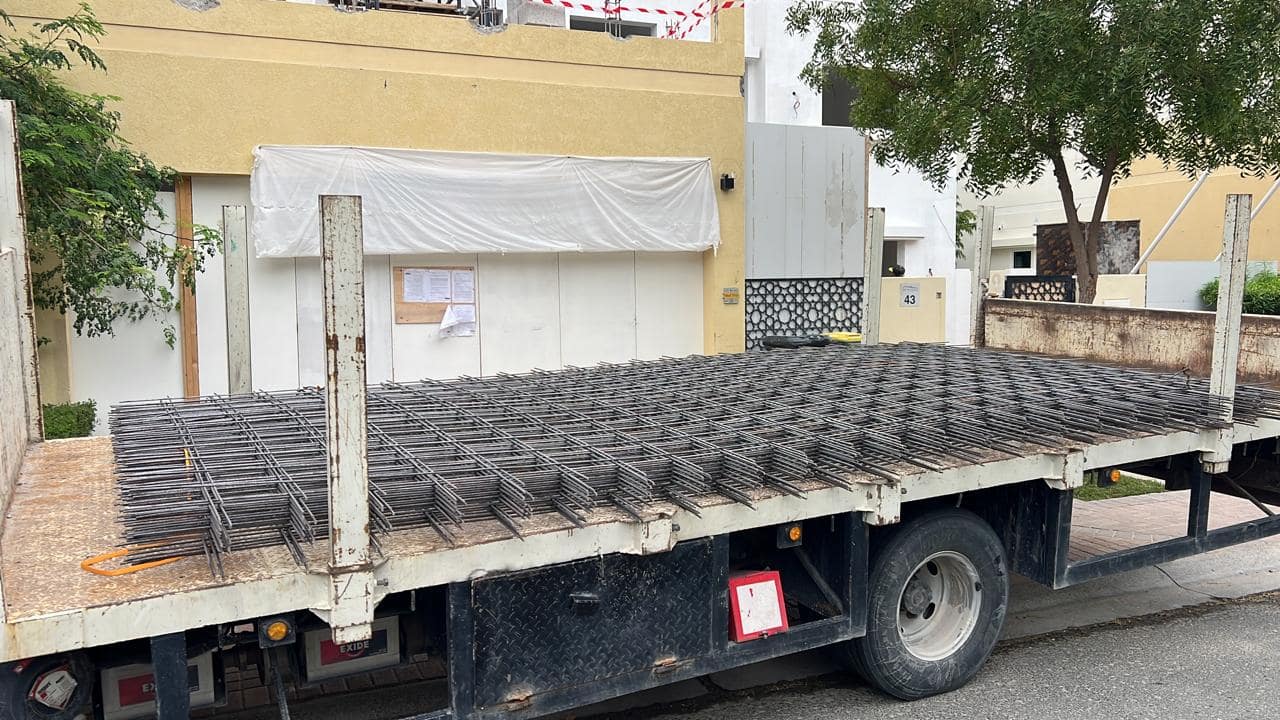
Unlike loose rebar that needs to be tied together manually on-site, BRC mesh arrives pre-fabricated in sheets or rolls, with the steel bars already welded into a consistent grid pattern. This simple difference changes the entire dynamic of a construction project, especially one racing against tight deadlines and soaring temperatures.
Why High-Rise Projects in the UAE Depend on It
Constructing a tower in Dubai or Abu Dhabi isn’t like building anywhere else. The combination of extreme heat, high humidity near the coast, and the sheer scale of vertical development creates unique engineering demands. Concrete needs reinforcement that performs consistently under these stresses, and BRC mesh delivers that consistency in a way traditional rebar sometimes struggles to match.
Because every intersection point is welded during manufacturing, the spacing between bars stays uniform throughout the entire sheet. This uniformity translates directly into predictable load distribution once the concrete cures. For engineers designing floor slabs that need to support dozens of stories above them, that predictability isn’t a nice-to-have; it’s a requirement.
There’s also the matter of speed. High-rise construction in the UAE operates on aggressive timelines, often driven by investor expectations and competitive real estate markets. Laying BRC mesh takes a fraction of the time required to tie individual rebar by hand. Crews can roll out or place sheets across large floor areas quickly, which keeps concrete pouring schedules on track and reduces the labor hours needed on-site.
Structural Advantages Worth Noting
Beyond speed, BRC mesh brings genuine structural benefits to the table. The welded grid resists cracking caused by shrinkage and temperature fluctuations, both of which are relevant concerns in the UAE’s climate where daily temperature swings can be significant. Slabs reinforced with mesh tend to distribute stress more evenly, reducing the likelihood of localized weak points that could develop into cracks over time.
The material also holds up well against the corrosive potential of the region’s environment. Many suppliers in the UAE offer galvanized or coated BRC mesh specifically designed to resist rust in humid coastal zones like Dubai Marina or Abu Dhabi’s waterfront developments. This corrosion resistance extends the lifespan of the structure and reduces long-term maintenance costs, an important consideration for developers thinking decades ahead.
Weight is another factor. Because the mesh is a lighter-gauge product compared to bundles of heavy rebar, transportation and handling on congested urban construction sites become somewhat easier. In cities like Dubai, where site access can be tight and cranes are in constant demand, anything that simplifies material handling has real value.
Common Applications in Vertical Construction
BRC mesh isn’t limited to one part of a building. Contractors use it extensively in floor slabs, where it controls cracking and adds tensile strength to complement the compressive strength of concrete. It also appears in retaining walls, basement structures, podium slabs, and even in the construction of swimming pools and water tanks that are increasingly common amenities in UAE residential towers.
For high-rise foundations specifically, mesh is often combined with traditional rebar to create a hybrid reinforcement system that balances the speed benefits of mesh with the customizable strength of individually placed bars in areas bearing the heaviest loads.
Choosing the Right Supplier
Not all BRC mesh is created equal, and this matters more in high-rise construction than almost anywhere else. Specifications like wire diameter, mesh spacing, and steel grade need to align precisely with structural engineering drawings. UAE regulations, including those enforced by Dubai Municipality and other emirate-level authorities, require reinforcement materials to meet specific standards before they’re approved for use in major developments.
Reputable suppliers in the region typically provide mesh that complies with British Standards (BS 4483) or equivalent international codes, along with mill certificates verifying steel quality. Working with an established supplier also means access to custom cutting and shaping services, which can save time when a project calls for non-standard panel sizes.
Looking Ahead
As the UAE continues its trajectory toward taller, more ambitious builds, the demand for dependable reinforcement solutions isn’t going anywhere. BRC mesh has proven itself across countless towers already standing, and its combination of speed, consistency, and durability makes it a natural fit for a construction culture that values both efficiency and long-term structural integrity. For contractors and developers navigating the pressures of high-rise construction in this part of the world, it remains one of the more dependable choices on the table.