
Best BRC Mesh vs Rebar: What Is the Difference and When Should You Use Each?
BRC Mesh vs Rebar: What Is the Difference and When Should You Use Each?

If you’ve ever stood in front of a concrete slab about to be poured and wondered whether you need mesh, rebar, or both, you’re not alone. These two reinforcement options get confused constantly, even by people who’ve been on construction sites for years. They serve a similar overall purpose — making concrete stronger and more resistant to cracking — but they’re built differently, behave differently, and shine in different situations.
Let’s break it down in plain language.
What Is BRC Mesh?
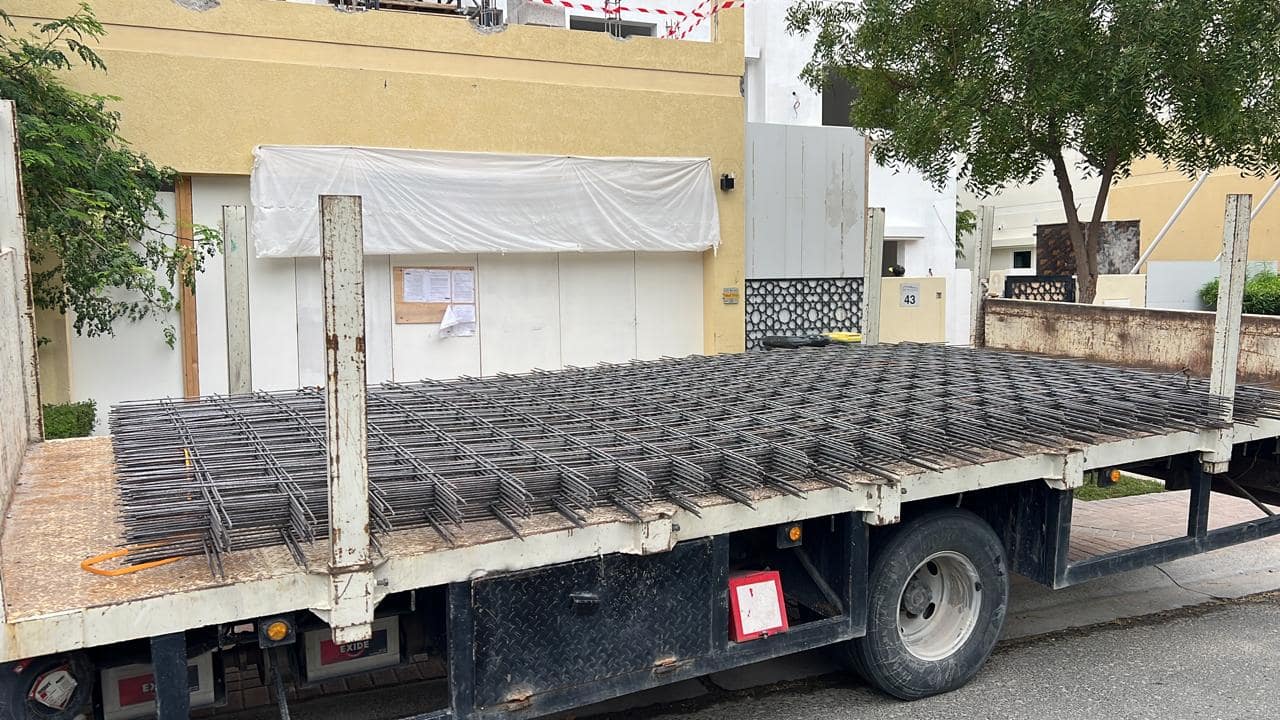
BRC stands for “British Reinforcement Company,” which was the original manufacturer that gave the product its name — much like how people say “Hoover” instead of vacuum cleaner. BRC mesh is a grid of steel wires, welded together at regular intersections, usually forming square or rectangular openings. It comes in flat sheets or rolls, depending on the wire thickness and application.
Because it’s pre-fabricated into a grid, BRC mesh is incredibly quick to lay out. You essentially roll it or place it over the area, overlap the edges slightly, and you’re most of the way to being ready for concrete. It’s commonly used in:
- Concrete slabs and driveways
- Pathways and pavements
- Warehouse floors
- Boundary walls with lighter structural demands
- Screed layers over structural slabs
The wires in BRC mesh are typically thinner than standard rebar, and its main job is to control shrinkage cracking and distribute loads evenly across a surface. It’s not designed to carry heavy structural loads on its own.
What Is Rebar?
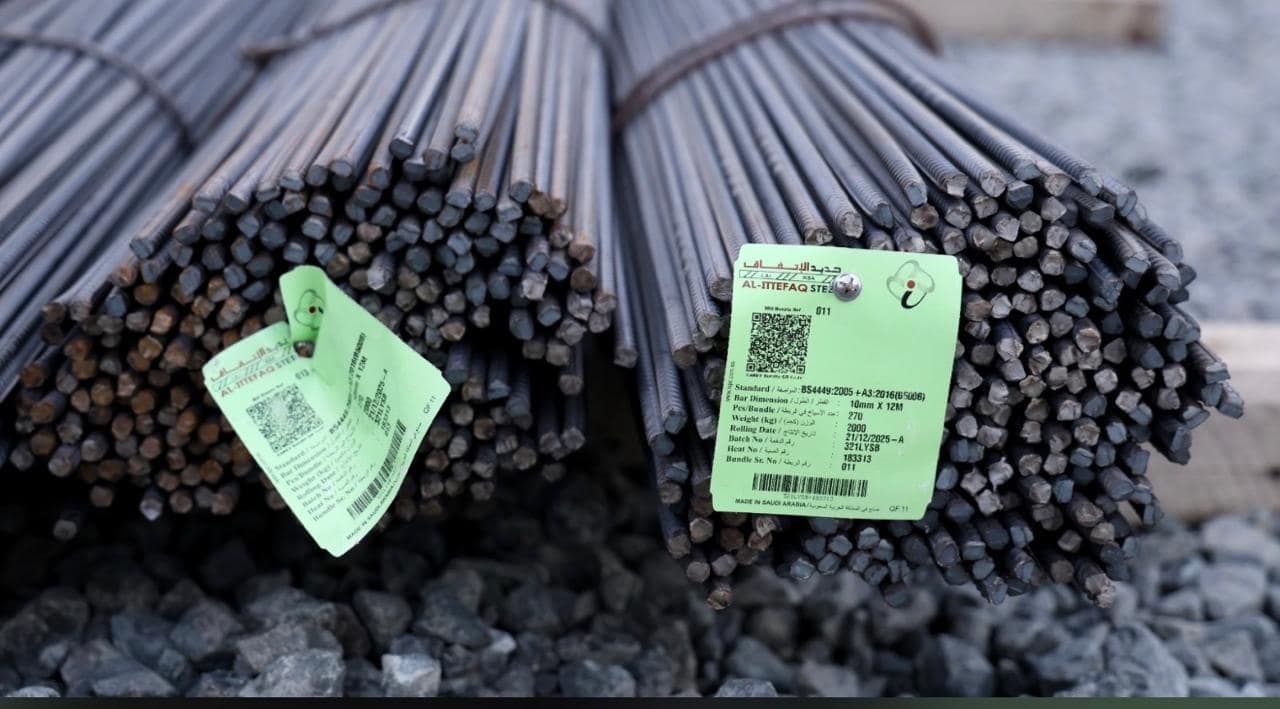
Rebar (short for reinforcing bar) is a single steel bar, usually with a ribbed or deformed surface that helps it bond tightly with concrete. Unlike mesh, rebar isn’t pre-assembled into a grid — it’s cut, bent, and tied together on-site according to a structural engineer’s design.
Rebar comes in various diameters, and the size used depends entirely on the load the structure needs to bear. You’ll typically find rebar in:
- Columns and beams
- Foundations and footings
- Load-bearing walls
- Bridges
- Multi-story building frames
Because rebar is thicker and can be arranged in custom patterns, it’s built to handle serious structural stress — tension, compression, and everything in between. It’s the backbone of most heavy-duty concrete structures.
Key Differences Between BRC Mesh vs Rebar
1. Structural Role
BRC mesh mainly resists surface-level cracking and spreads out light loads. Rebar handles heavy structural loads and is essential wherever a structure needs to bear real weight.
2. Installation Method
Mesh is laid out in sheets, saving significant labor time. Rebar requires cutting, bending, and tying according to engineering specifications, which takes more time and skill.
3. Strength and Thickness
Rebar bars are generally thicker and stronger individually. Mesh wires are thinner, and their strength comes from the grid pattern working together, not from any single wire.
4. Cost
Mesh is usually cheaper and faster to install, which matters on projects with large flat areas. Rebar costs more due to labor and material, but it’s non-negotiable where structural integrity is at stake.
5. Application Scale
Mesh suits smaller-scale, non-structural, or semi-structural elements. Rebar is designed for major load-bearing components.
When Should You Use BRC Mesh vs Rebar?
Choose BRC mesh when you’re pouring a concrete slab that mainly needs protection against shrinkage and minor surface stress — think garage floors, footpaths, patios, or light industrial flooring. If the concrete won’t be supporting a building’s weight or facing constant heavy loads, mesh is often the practical, cost-effective choice.
It’s also a great option when speed matters. Because it comes pre-welded, laying mesh across a large area takes a fraction of the time compared to manually placing individual bars.
When Should You Use BRC Mesh vs Rebar?
Rebar becomes essential the moment your structure needs to handle real structural loads — foundations, support beams, retaining walls, or anything holding up multiple floors. If there’s any tension or bending force involved, especially in areas prone to seismic activity or heavy vehicle loads, rebar is the safer, code-compliant option.
Engineers typically specify rebar size, spacing, and placement based on calculated loads, so it’s not something to improvise. Skipping proper rebar reinforcement in structural elements can lead to serious safety risks down the line.
Can You Use Both Together BRC Mesh vs Rebar?
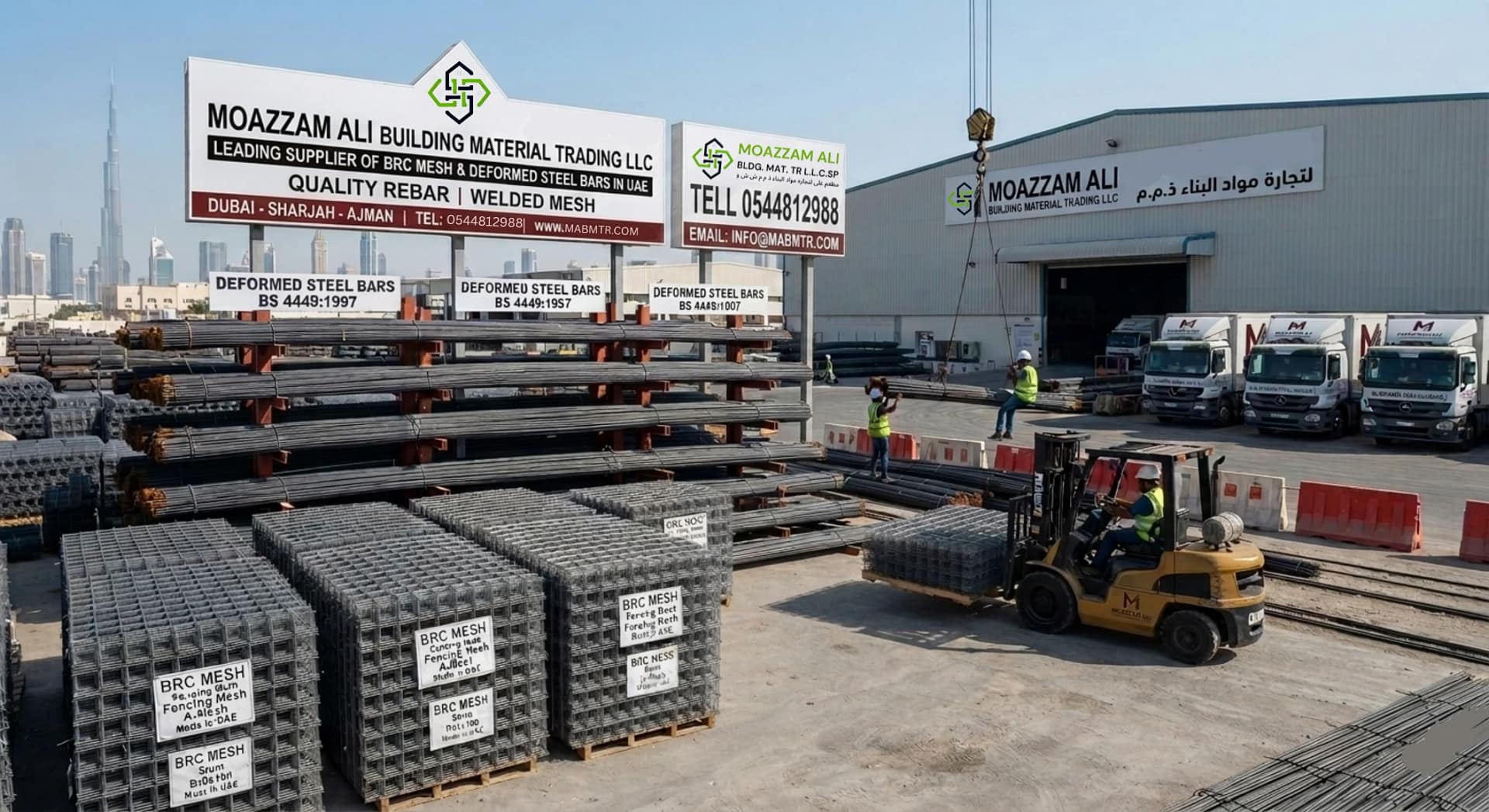
Yes, and in many real-world projects, you will. A common setup involves rebar handling the primary structural reinforcement while BRC mesh sits closer to the surface to control cracking and reinforce the top layer of concrete. This combination gives you both strength and durability without over-engineering areas that don’t need heavy-duty support.
Final Thoughts BRC Mesh vs Rebar
At the end of the day, BRC Mesh vs Rebar aren’t competitors — they’re tools for different jobs. Mesh is your go-to for flat, lighter-duty concrete work where speed and crack control matter most. Rebar is what you reach for when the structure needs serious strength and long-term load-bearing capability. Understanding the difference isn’t just a technical detail — it’s what keeps buildings standing, floors intact, and construction budgets realistic.
If you’re ever unsure which one your project needs, it’s worth consulting a structural engineer before pouring a single bag of cement. Getting reinforcement right the first time saves money, time, and a lot of future headaches.