best Concrete Blocks & RCC Blocks Supplier in Dubai: Premium Quality Building Materials

Dubai’s construction industry never really slows down. Between the residential towers, commercial complexes, industrial facilities, and the constant stream of infrastructure projects across the emirate, there’s a continuous, heavy demand for reliable building materials. Among the most fundamental of these — yet often underappreciated — are concrete blocks and RCC (Reinforced Cement Concrete) blocks. Getting these right, from the very first supplier conversation, sets the tone for the structural integrity of an entire project.
Understanding the Basics
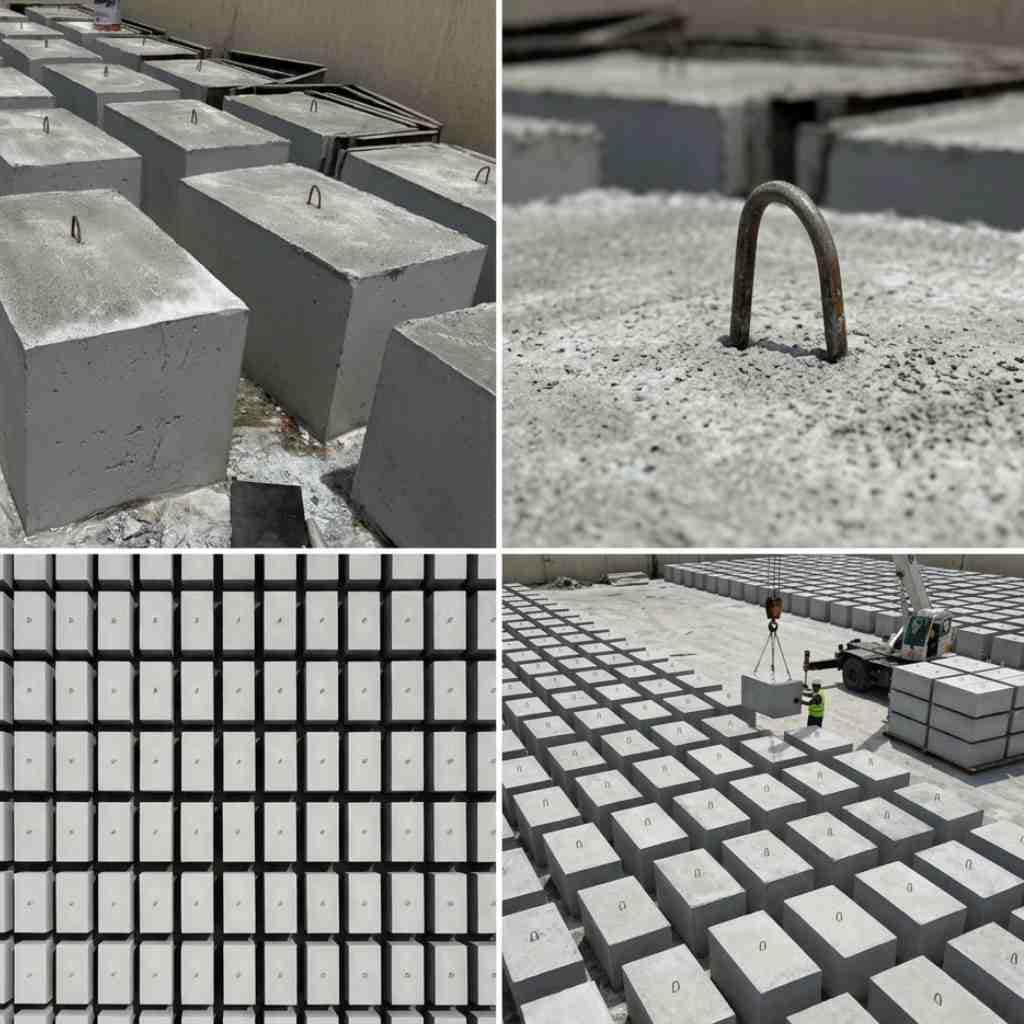
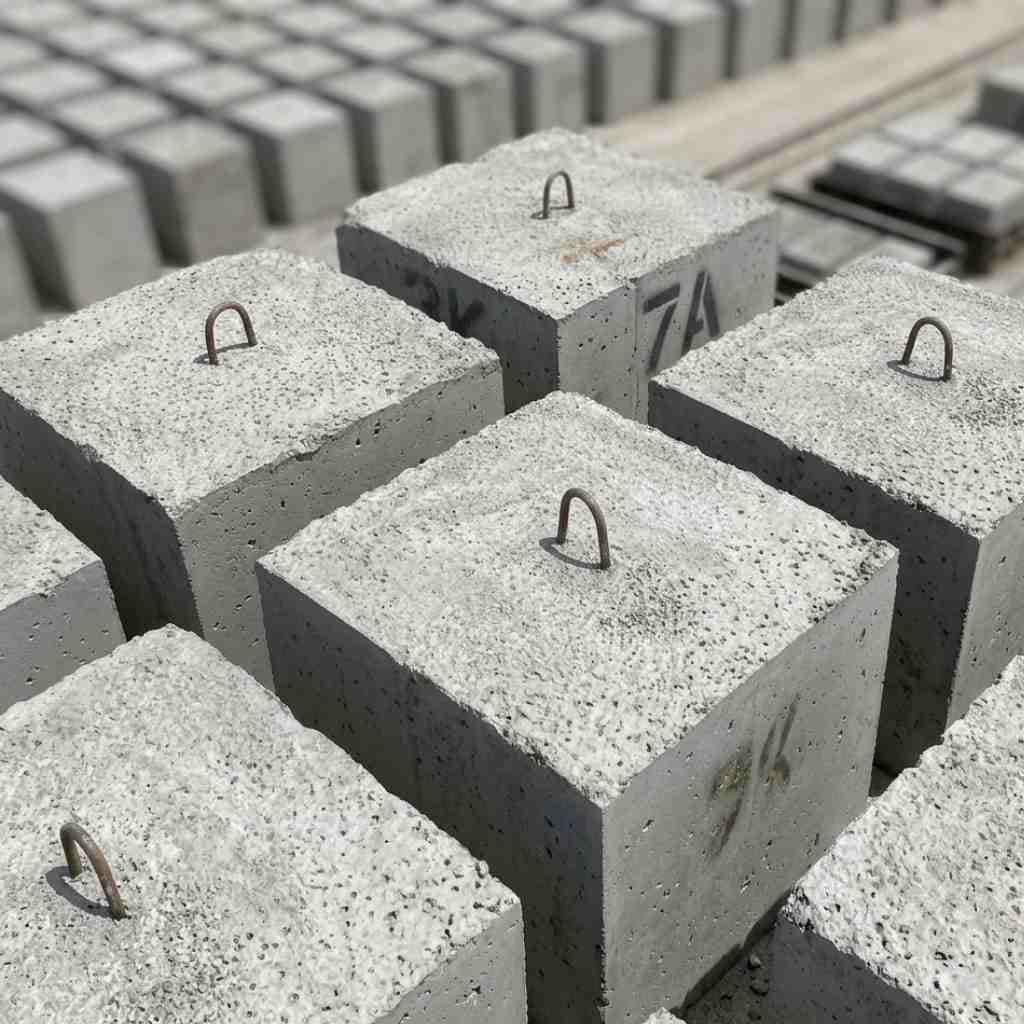
Concrete blocks are precast masonry units made from a mixture of cement, aggregates, and water, molded and cured under controlled conditions. They come in a variety of shapes and sizes, solid, hollow, load-bearing, and non-load-bearing, each suited to different parts of a construction project, from boundary walls to multi-story load-bearing structures.
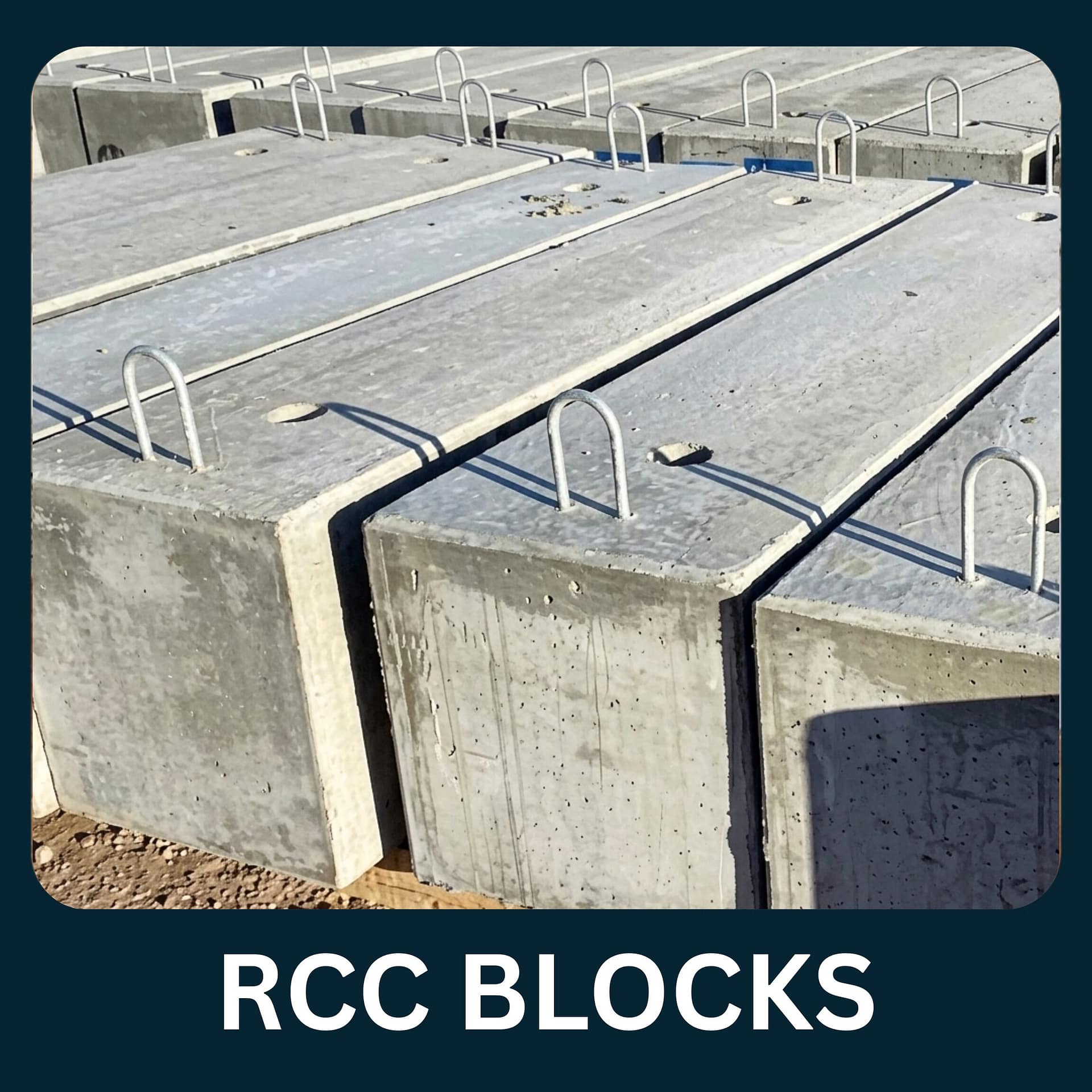
RCC blocks take this a step further by incorporating steel reinforcement into the concrete mix. This addition dramatically increases tensile strength, making RCC blocks the go-to choice for structural elements that need to withstand higher loads, seismic considerations, or heavier vertical stresses, think foundations, structural walls, and precast slabs.
In a city like Dubai, where building codes are strict and structural safety is non-negotiable, the quality of these blocks isn’t something to gamble on.
Why Quality Matters More Than Price Alone
It’s tempting, especially on large projects, to chase the lowest quote. But concrete and RCC blocks are structural components, not decorative finishes. A block that looks fine on delivery day can fail years down the line if the mix design, curing process, or aggregate quality was compromised to cut costs.
A few things that separate premium blocks from substandard ones:
Consistent mix design. Reputable suppliers follow strict batching ratios for cement, sand, aggregate, and water, tested regularly in accredited labs to ensure compressive strength stays within required specifications.
Proper curing. Blocks need adequate curing time and moisture control to develop their full strength. Rushed curing is one of the most common shortcuts that leads to weaker, more porous blocks.
Dimensional accuracy. Precast blocks need to be uniform in size and shape. Inconsistent dimensions cause problems during masonry work, leading to uneven walls, more mortar consumption, and slower construction timelines.
Compliance with UAE standards. Materials used in Dubai construction typically need to meet Dubai Municipality and relevant UAE building code requirements, along with testing certifications that confirm compressive strength, water absorption rates, and durability.
Types of Blocks Commonly Supplied in Dubai
Suppliers in Dubai typically offer a range of concrete and RCC block products to match different construction needs:
- Hollow concrete blocks – lightweight, cost-effective, and commonly used for non-load-bearing partition walls
- Solid concrete blocks – denser and stronger, suited for load-bearing walls and boundary structures
- Thermal insulated blocks – increasingly popular given Dubai’s climate, helping reduce cooling loads in buildings
- RCC blocks and precast panels – used in structural applications requiring higher load capacity, often custom-fabricated to project specifications
- Interlocking blocks – used for pavements, walkways, and some specialized wall systems
Choosing the right type isn’t just about the wall being built; it’s about how that wall interacts with the building’s overall load path, insulation requirements, and long-term maintenance needs.
What to Look for in a Supplier
A construction material supplier is effectively a long-term partner, especially on multi-phase projects where consistency across large orders matters. A few markers of a dependable Dubai-based concrete and RCC block supplier:
Manufacturing capacity and consistency. Can they supply large volumes on schedule without compromising quality control between batches?
Testing and certification. Ask for lab test reports on compressive strength, water absorption, and dimensional tolerance. A reliable supplier won’t hesitate to share these.
On-time delivery track record. Construction schedules are tight, and delays in material delivery can cascade into costly project slippage.
Technical support. Good suppliers can advise on which block type suits a specific structural or thermal requirement, rather than just taking an order.
Competitive, transparent pricing. Fair pricing shouldn’t come at the expense of quality, and a trustworthy supplier will be upfront about cost breakdowns.
The Bigger Picture
Concrete and RCC blocks might not be the most glamorous part of a construction project, but they are foundational, quite literally. A building is only as strong as the materials holding it together, and cutting corners here tends to surface as expensive problems later: cracking walls, moisture issues, or structural weaknesses that are far costlier to fix after construction than to prevent beforehand.
For developers, contractors, and project managers working across Dubai’s fast-paced construction sector, partnering with a supplier who prioritizes material quality, consistent testing, and reliable delivery is one of the smartest decisions that can be made early in a project timeline.
Final Thoughts
Whether it’s a small residential extension or a major commercial development, sourcing premium concrete blocks and RCC blocks from a trusted Dubai supplier lays the groundwork, quite literally, for a structure that stands strong for decades. Quality materials, proper certification, and a supplier who understands both the technical and practical demands of UAE construction make all the difference between a building that merely meets code and one that’s genuinely built to last.