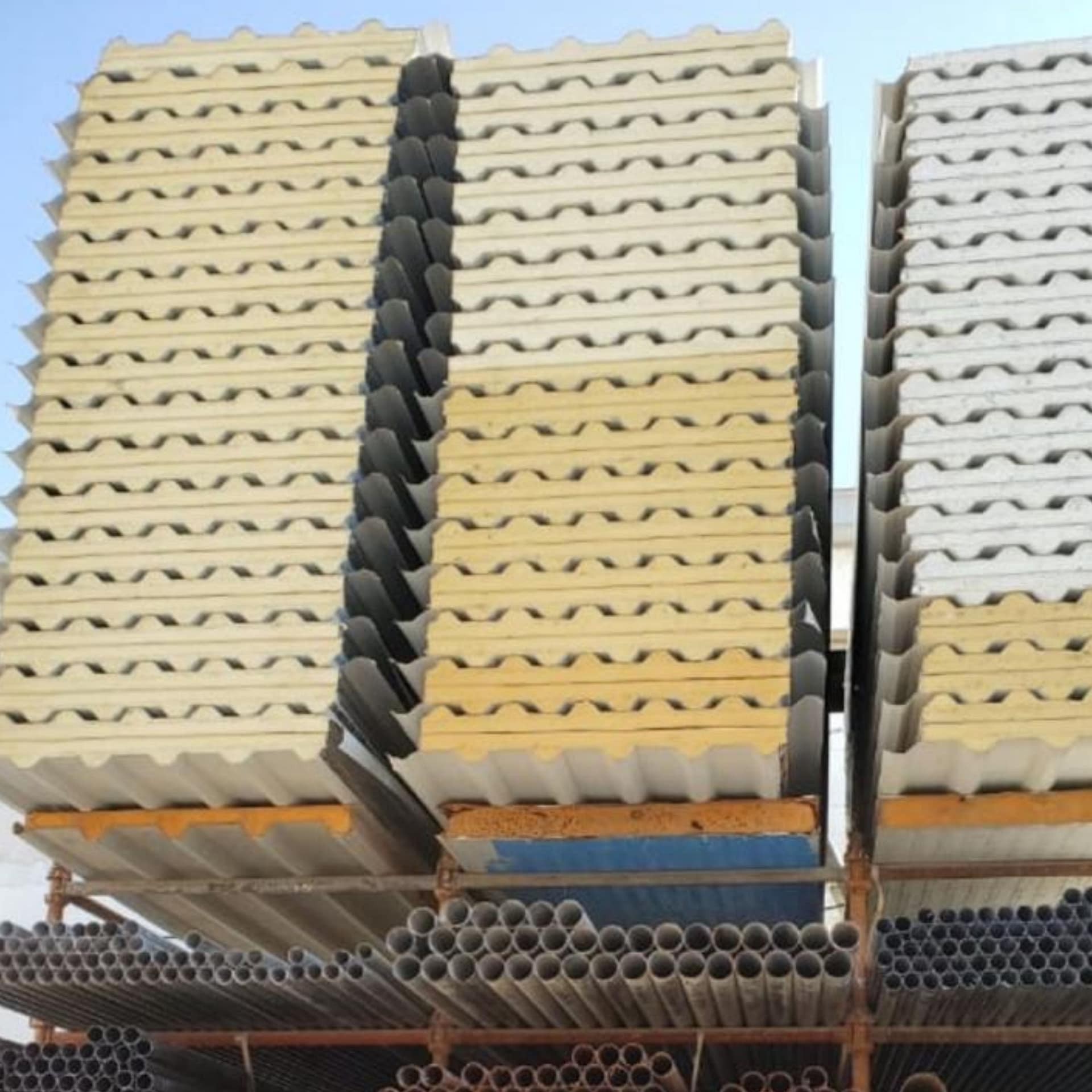
Best PIR and PU Sandwich Panels in Dubai: Which Panel Suits Your Project
PIR and PU Sandwich Panels in Dubai: Which Panel Suits Your Project
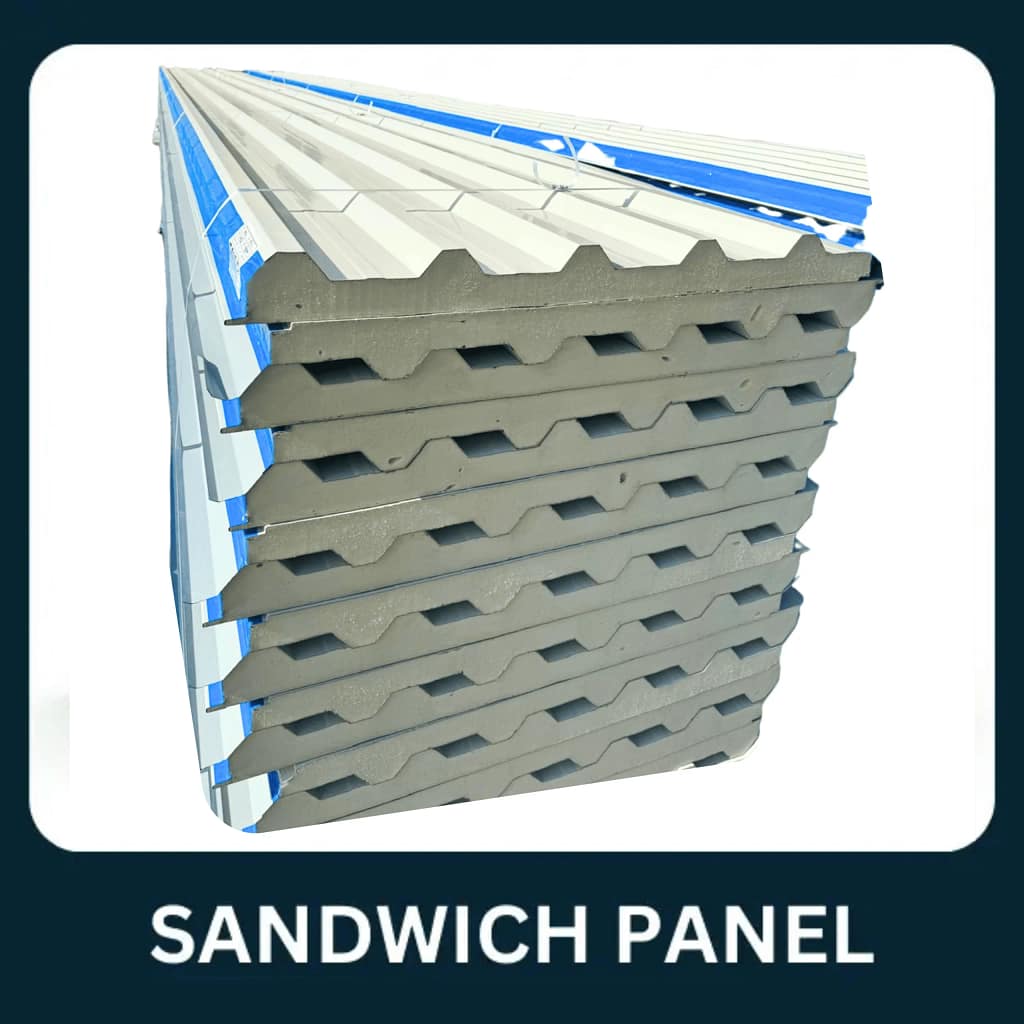
If you’re planning a construction project in Dubai—whether it’s a warehouse, a cold storage facility, a labor camp, or a commercial building—chances are you’ve come across the terms PIR and PU sandwich panels. They look similar, they’re installed the same way, and contractors often use the names interchangeably. But they’re not the same product, and choosing the wrong one can cost you money, safety compliance, or performance down the line.
Let’s break down what these panels actually are, how they differ, and which one makes sense for your specific project in the UAE.
What Are PIR and PU Sandwich Panels in Dubai, Anyway?
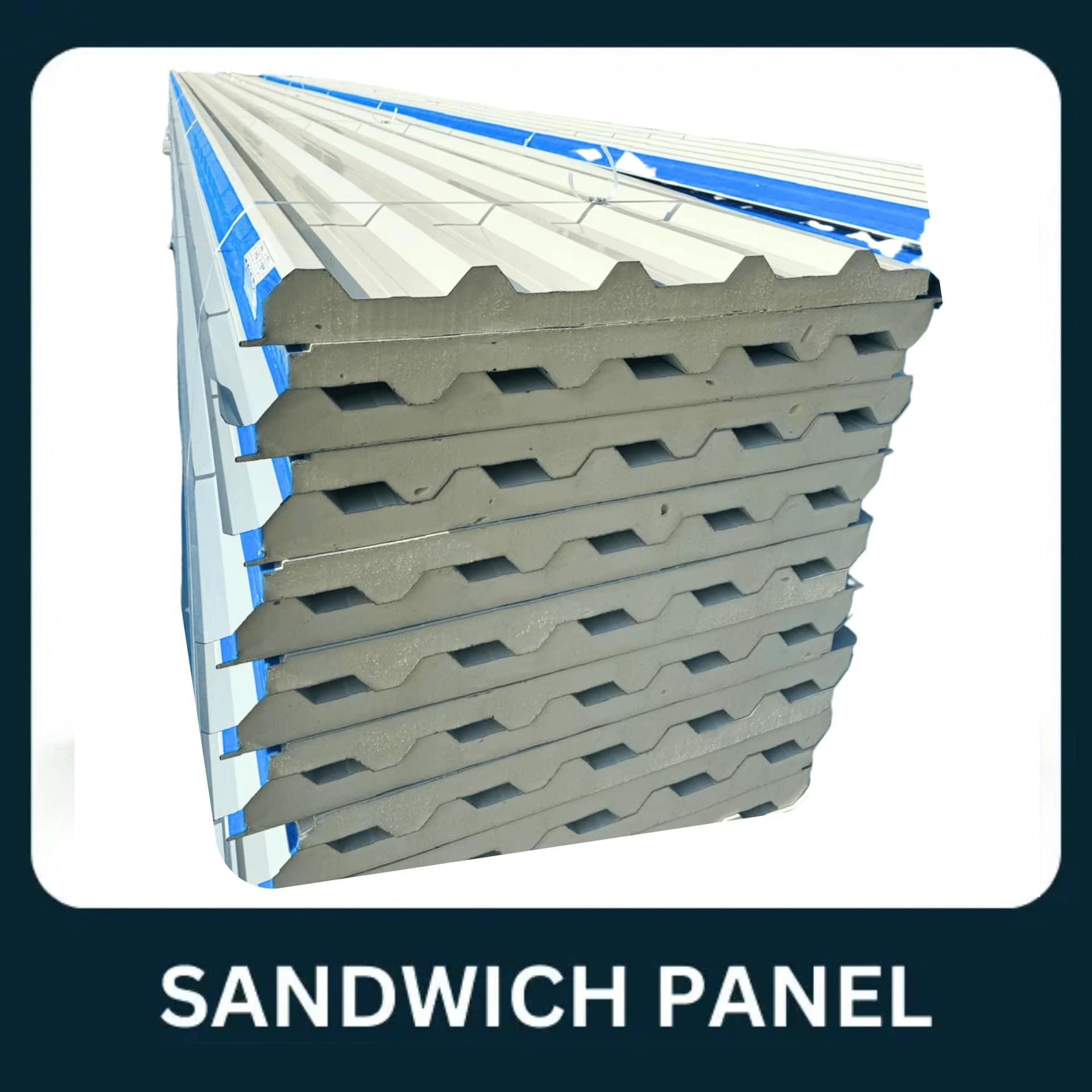
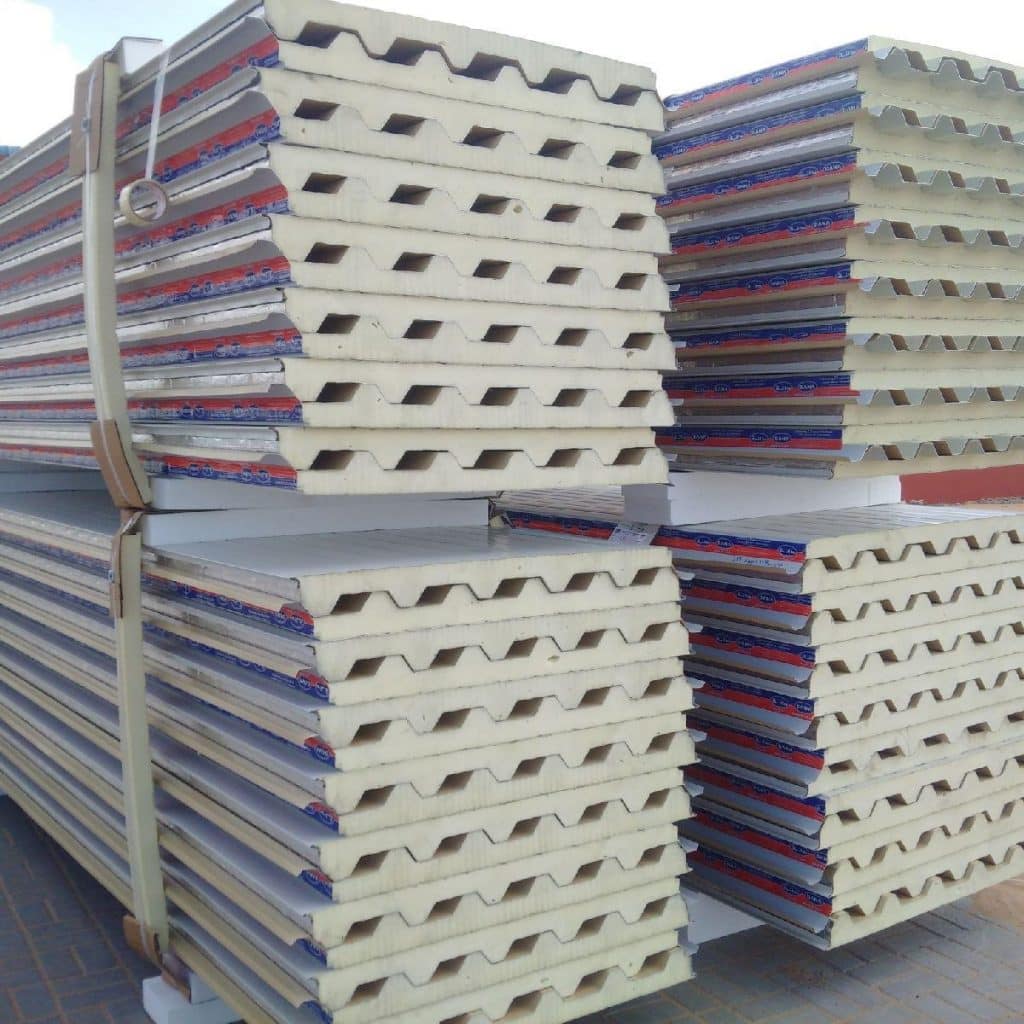
Before getting into PIR vs PU, it helps to understand the basic idea. A sandwich panel is exactly what it sounds like: two metal skins (usually pre-painted galvanized steel) with an insulating core sandwiched in between. This core is what gives the panel its thermal and structural properties. The difference between PIR and PU panels comes down entirely to what that core is made of.
PU (Polyurethane) Panels
Polyurethane, or PU, has been the go-to insulation core in the Gulf region for decades. It’s a rigid foam that offers excellent thermal insulation and a good strength-to-weight ratio. PU panels are widely used in cold rooms, warehouses, and general industrial buildings across Dubai and the wider UAE.
The main appeal of PU is cost. It’s generally cheaper to manufacture than PIR, which makes it attractive for budget-conscious projects where fire performance isn’t the top priority. It also bonds well with metal facings and has been tested and used extensively, so there’s a long track record of reliability in local conditions.
The downside? PU is more combustible than PIR. When exposed to fire, it burns more readily and can produce thicker smoke. For low-risk applications like non-habitable storage sheds, this may be acceptable. But for many buildings in Dubai today, it’s simply not compliant with local fire codes.
PIR (Polyisocyanurate) Panels
PIR and PU Sandwich Panels in Dubai PIR is essentially a chemically modified version of polyurethane, engineered specifically to improve fire resistance. The molecular structure is altered during manufacturing to create a core that chars rather than melts or drips when exposed to flame. This char layer acts as a barrier, slowing the spread of fire significantly compared to standard PU.
This fire performance is the single biggest reason PIR has become the default choice across Dubai in recent years. The Dubai Civil Defence and other UAE authorities have tightened fire safety regulations substantially, especially after several high-profile building fire incidents over the past decade. PIR panels typically achieve better fire classification ratings, which matters enormously for approvals, insurance, and occupant safety.
Thermally, PIR performs slightly better than PU as well, meaning you can sometimes use a thinner panel to achieve the same insulation value—useful if you’re trying to maximize internal space.
The trade-off is price. PIR panels cost more than PU, sometimes noticeably so, because of the more complex chemistry and manufacturing process involved.
So Which One Should You PIR and PU Sandwich Panels in Dubai Choose?
Here’s where it comes down to your actual project requirements rather than a blanket answer.
Go with PIR if:
- Your project involves a building where people work or reside long-term (offices, labor accommodation, commercial spaces)
- You need to meet Dubai Civil Defence fire safety approvals
- You’re working on a project where insurance underwriters require higher fire ratings
- The building is multi-story or has limited fire escape routes
PU may still work if:
- You’re building simple, non-habitable storage or agricultural structures
- The application is genuinely low fire-risk and doesn’t require civil defence sign-off
- Budget constraints are the primary driver and local regulations permit its use
- You need panels for temporary or short-term structures
It’s worth noting that many suppliers and contractors in Dubai have shifted almost entirely to PIR for anything that requires regulatory approval, simply because the compliance risk of using PU in the wrong application isn’t worth the savings. If your project has any ambiguity about which category it falls into, it’s safer to default to PIR and confirm with Dubai Civil Defence guidelines before finalizing your material order.
A Few Practical Tips PIR and PU Sandwich Panels in Dubai
PIR and PU Sandwich Panels in Dubai Regardless of which panel type you choose, a few things matter just as much as the core material itself:
- Panel thickness should be selected based on your climate load and insulation needs, not just cost. Dubai’s extreme summer heat means under-specifying insulation can lead to higher cooling costs for years.
- Check the supplier’s fire test certificates, not just marketing claims. Ask for actual test reports (like BS 476 or EN 13501) rather than taking “fire-rated” at face value.
- Installation quality matters as much as panel choice. Poor sealing at joints can undermine both thermal and fire performance regardless of which core you use.
Final Thoughts
There’s no universal “better” panel between PIR and PU—it genuinely depends on what you’re building, who will occupy it, and what your local approval authority requires. In Dubai’s current regulatory climate, PIR has become the safer default for most commercial and residential applications, while PU still holds a place in lower-risk, cost-sensitive projects. Talk to your structural consultant or a reputable local supplier early in the design phase, since retrofitting panel choices after approval submissions can be a costly and time-consuming mistake to fix.

PIR and PU Sandwich Panels in Dubai