Best Sandwich Panels in the UAE: What You Actually Need to Know
introduction
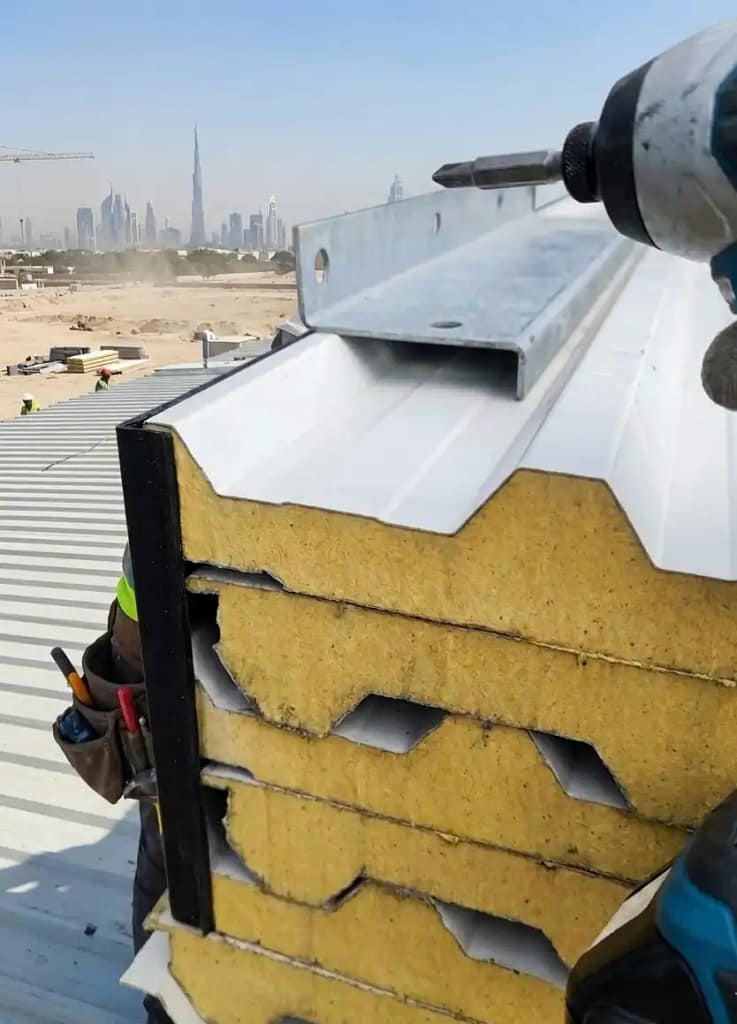
If you’ve spent any time around a construction site in Dubai, Sharjah, or Abu Dhabi, you’ve probably seen sandwich panels going up on a warehouse or cold store without even realizing what they were called. They’re the metal-skinned wall and roof sheets that seem to appear almost overnight on new industrial buildings — and there’s a good reason they’ve become the go-to choice across the country.
What a Sandwich Panel Actually Is
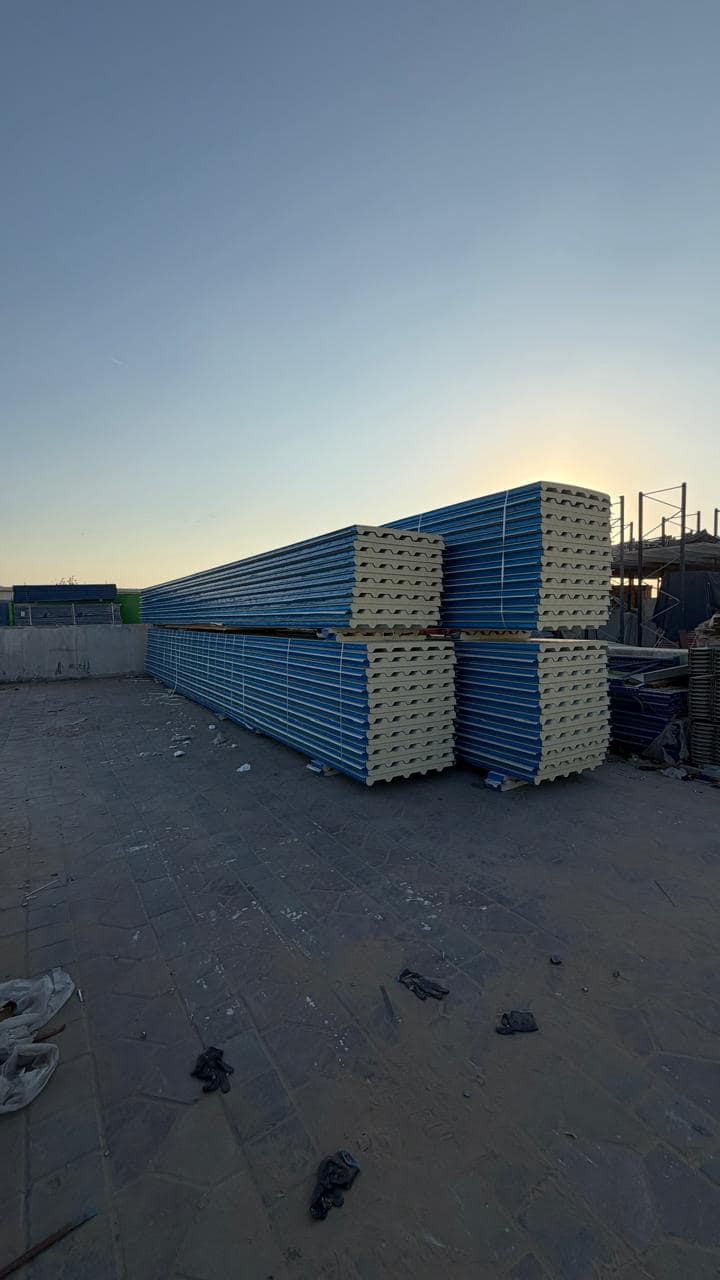
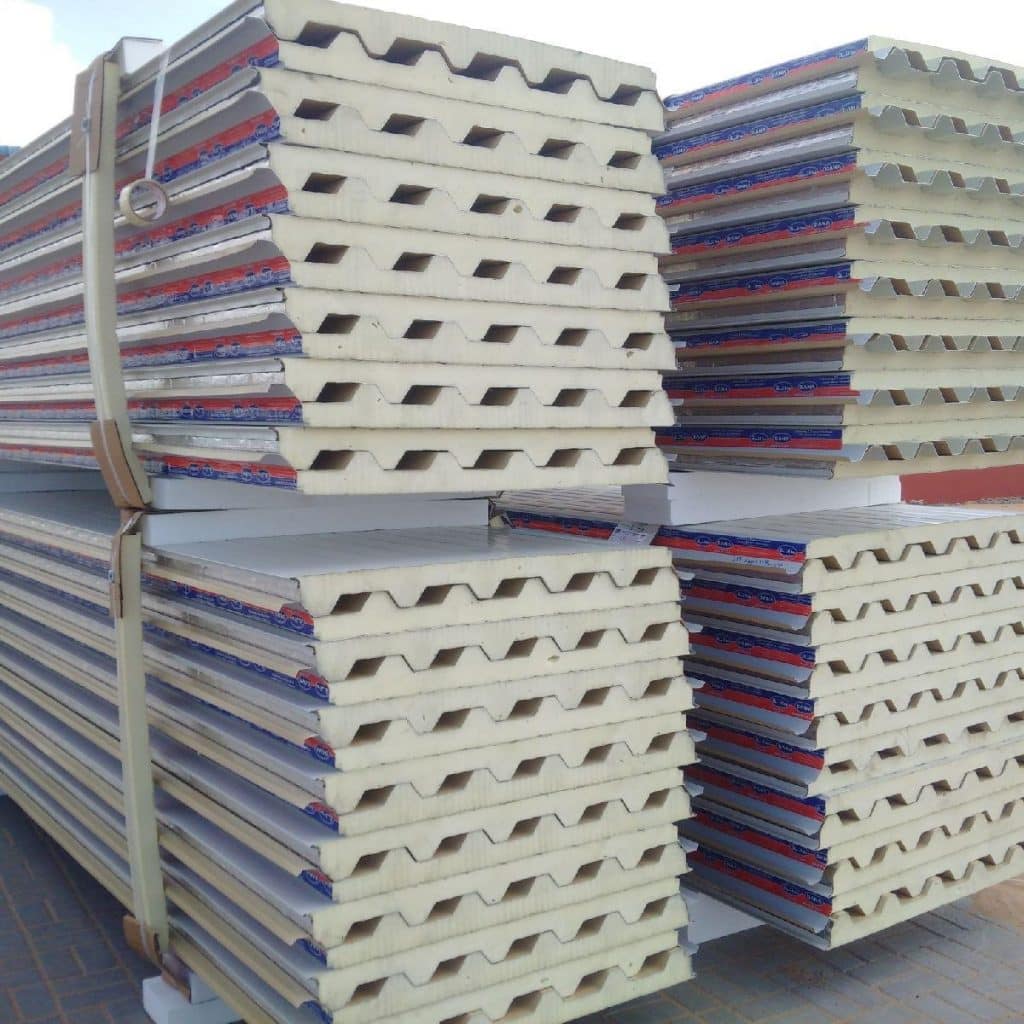
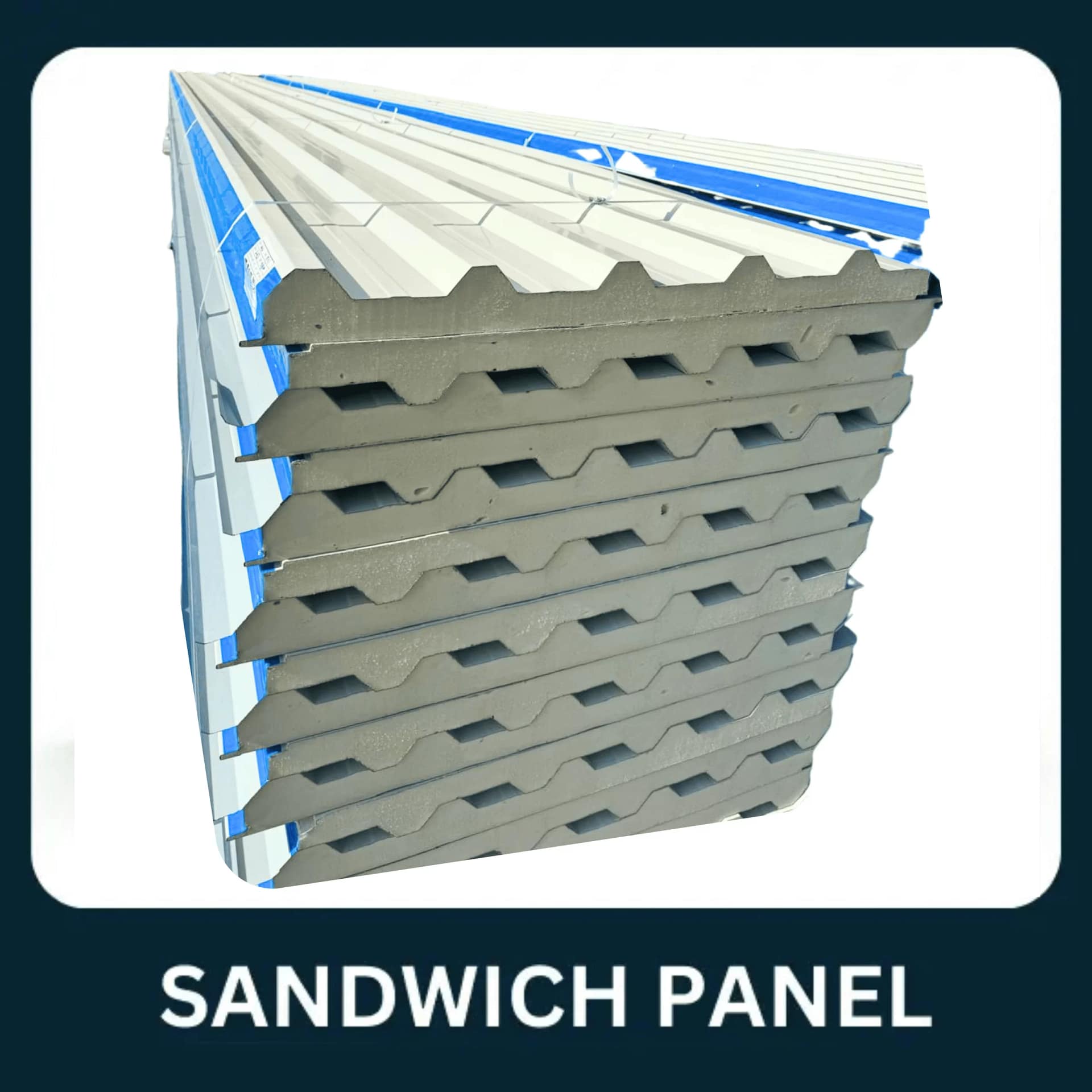
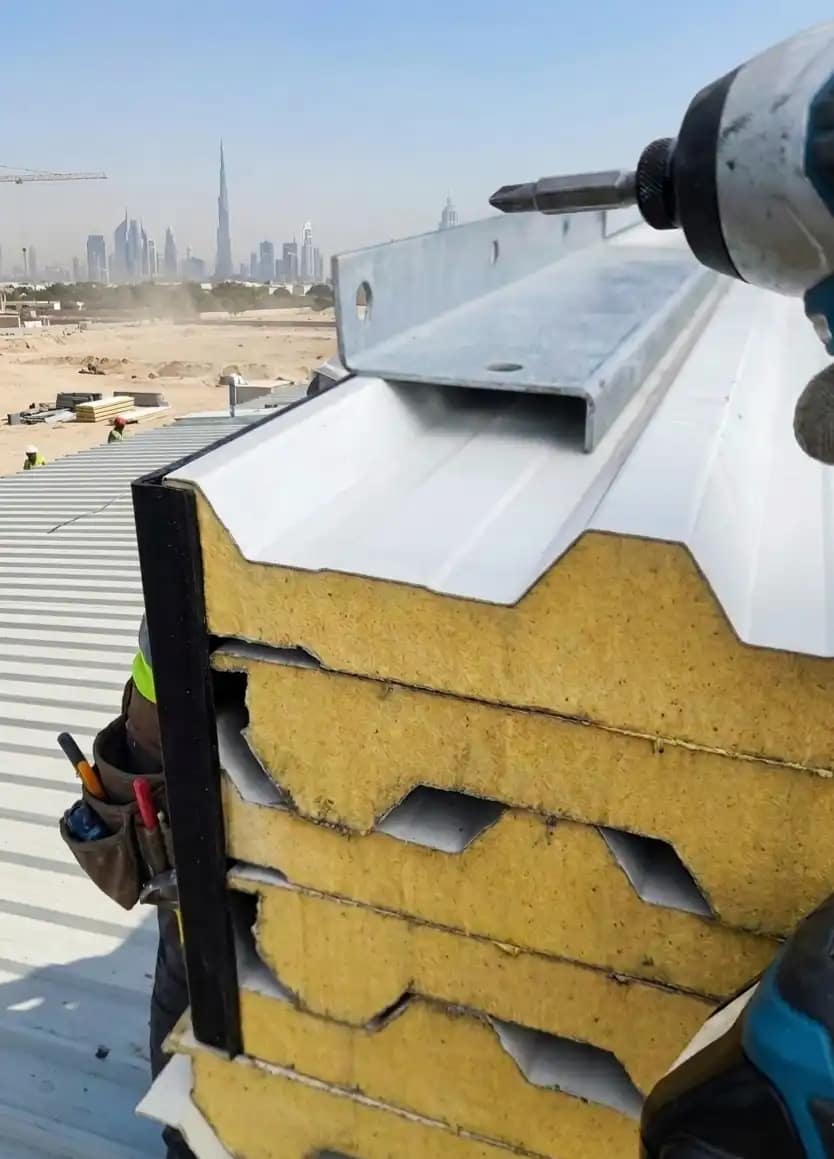
The name isn’t fancy marketing — it describes the product pretty literally. Two outer metal sheets, usually steel or aluminum, sandwich panel a core of insulating material in between. That core is what does the real work, and it typically comes in one of three flavors:
- Polyurethane (PU/PUR) — the most common choice for general industrial and commercial buildings, prized for strong thermal performance at a reasonable price.
- Polyisocyanurate (PIR) — chemically similar to PU but formulated to hold up better under fire, which is why it’s the preferred pick for anything needing fire-safety certification.
- Rockwool — a mineral-fiber core that trades a bit of thermal efficiency for excellent fire resistance and sound dampening.
The panels get manufactured to order in varying thicknesses, generally somewhere between 40mm and 200mm, with the thickness driven by the temperature range a building needs to hold rather than by aesthetics.
Why They’re So Common Here Specifically
The UAE’s climate is basically a stress test for building materials, and sandwich panels tend to pass it well. A few reasons this material fits the region so naturally:
The heat problem. Cooling costs eat into the operating budget of any warehouse, factory, or labor accommodation here. A well-insulated panel envelope cuts down on how much heat gets into the building in the first place, which means less strain on air conditioning and lower electricity bills over the life of the structure.
Speed of construction. Developers in the UAE move fast, and sandwich panels are built for that pace. Because the insulation and cladding arrive as one factory-finished unit, a roof or wall goes up in a fraction of the time traditional block-and-insulate methods would take.
Fire compliance. Dubai Civil Defence and similar authorities across the emirates have specific requirements for fire-rated cladding, and PIR and rockwool panels are widely available with the certifications needed to pass inspection on industrial and commercial jobs.
Cold chain demand. The UAE imports a huge share of its food, which means cold storage and refrigerated logistics are a serious industry here. Sandwich panels with thicker PU or PIR cores are the standard building block for chill rooms, freezer rooms, and blast freezers, with thickness scaling up as the required temperature drops.
Where You’ll See Them
Sandwich panels show up across a wide range of building types in the UAE:
- Warehouses and logistics facilities
- Factories and light industrial buildings
- Cold storage and food processing plants
- Labor and staff accommodation blocks
- Modular offices, porta cabins, and site cabins
- Facade cladding and partition walls in commercial buildings
What Tends to Matter When Choosing a Supplier
The UAE has a fairly deep bench of local manufacturers and suppliers, based mostly out of industrial zones in Ajman, Sharjah, and Dubai. A few things worth checking before committing to one:
- Certification. Look for ISO 9001 quality certification and, for anything requiring fire compliance, approval from the relevant Civil Defence authority.
- Core material fit. Match the insulation type to the actual use case — PU for general thermal performance, PIR where fire rating matters, rockwool where both fire and acoustics are priorities.
- Panel thickness for the application. Cold rooms in particular need the thickness matched to the target temperature; undersizing it is a common and costly mistake.
- Lead time and customization. Since most panels are made to order, ask about turnaround time and whether the supplier can produce custom lengths, finishes, or colors.
- Track record with similar projects. A supplier who’s done cold storage before will understand the details of that job better than a generalist.
A Realistic Look at Lifespan and Value
With proper installation and reasonable maintenance, sandwich panels structures generally hold up for two to three decades. Rockwool cores tend to have a slight edge in long-term durability since the material itself doesn’t break down the way some foam cores can over time. That said, for most commercial and industrial applications in the UAE, PU and PIR remain the practical default — they balance cost, thermal performance, and availability better than any alternative currently on the market.
If you’re planning a project, the smartest first step is usually to nail down the exact use case — warehouse, cold room, staff housing, facade — before reaching out to suppliers. That single decision drives almost every other spec: core material, thickness, fire rating, and finish. Get that right, and picking a supplier becomes a much shorter conversation.
Sandwich panels in UAE: types (PU, PIR, Rockwool), why they suit Dubai’s heat, common uses & what to check before choosing a supplier. Full guide inside.
Get in touch with MABMTR: 📞 +971 54 481 2988 📧 info@mabmtr.com 🌐 mabmtr.com