Sandwich Panel and Wall Panel Solutions | Construction in the UAE

The UAE’s construction Sandwich Panel and Wall Panel landscape is evolving fast, and sandwich panels have become one of the most practical answers to the region’s unique demands. Between the relentless summer heat, tight project timelines, and a growing push toward energy-efficient buildings, contractors and developers are increasingly turning away from traditional block-and-mortar methods in favor of prefabricated panel systems that deliver speed, insulation, and durability all at once.
Why Sandwich Panels Make Sense in This Climate
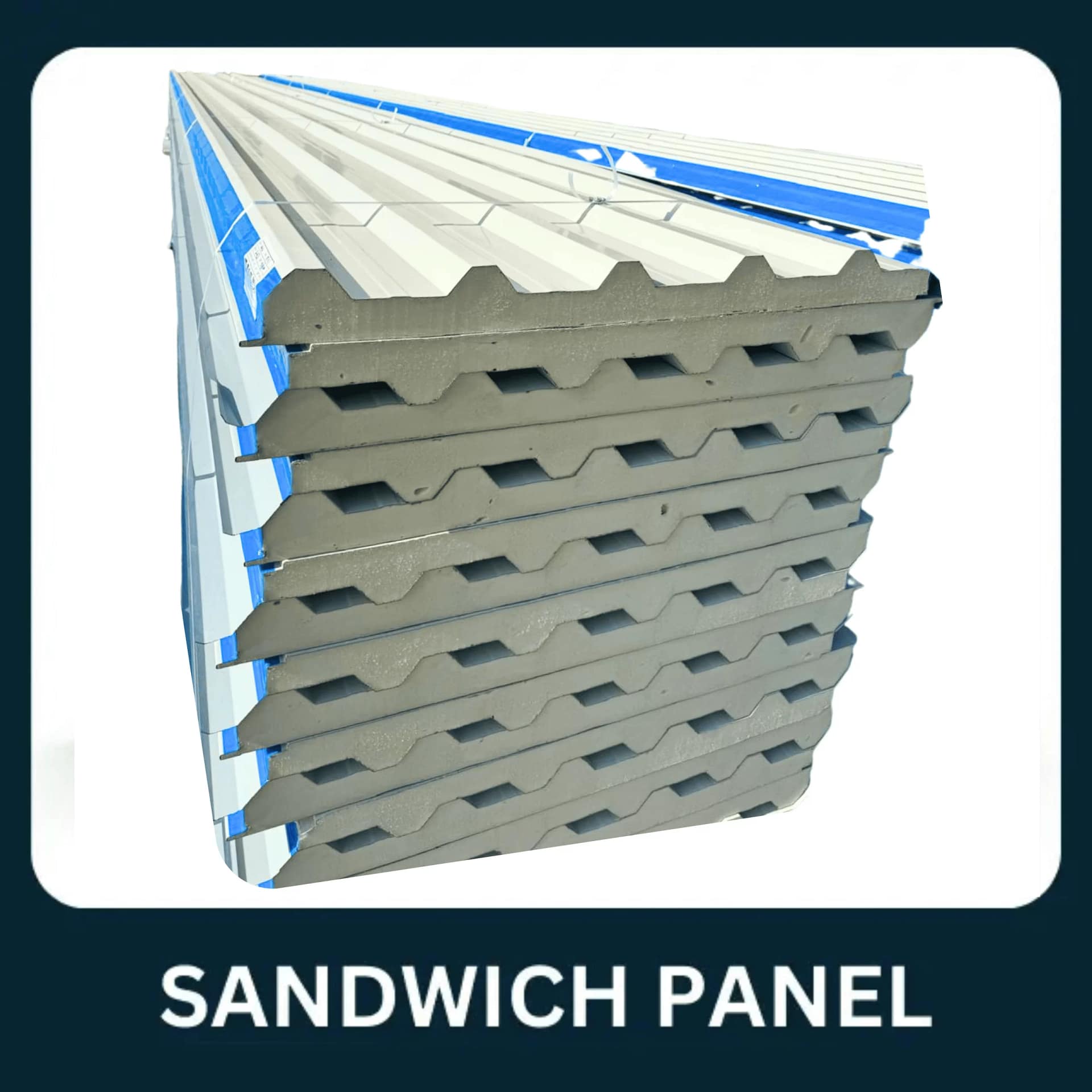
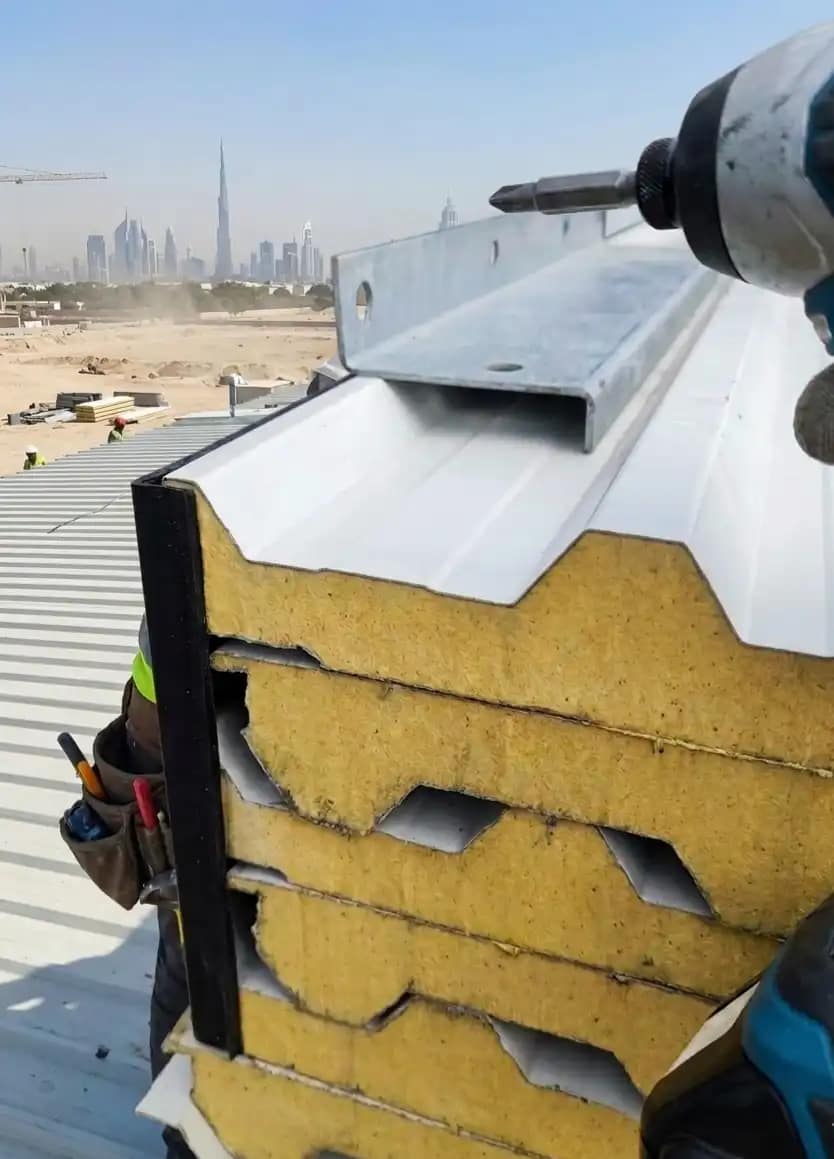
A Sandwich Panel and Wall Panel is essentially a composite building material made of two outer metal skins—usually galvanized or pre-painted steel—with an insulating core sandwiched between them. That core is typically polyurethane (PU), polyisocyanurate (PIR), expanded polystyrene (EPS), or rock wool, and the choice of core material makes a real difference depending on what the project needs.
In a country where outdoor temperatures regularly cross 45°C in summer, thermal performance isn’t optional—it’s a budget issue. Buildings clad with proper insulated panels see a noticeable drop in cooling loads, which translates directly into lower electricity bills over the building’s lifetime. That’s a big reason why sandwich panels have found their way into everything from labor camps and warehouses to cold storage facilities, supermarkets, and even office fit-outs.
PU vs PIR vs EPS: Picking the Right Core
Not all Sandwich Panel and Wall Panel are created equal, and choosing the wrong core for a given application can cost money down the line.
- PU panels offer excellent thermal insulation and are a popular middle-ground choice for warehouses, labor accommodation, and general industrial buildings.
- PIR panels step things up in terms of fire resistance, making them the preferred option for facilities where fire safety codes are stricter—think food processing plants, pharmaceutical warehouses, or any structure near Dubai Civil Defence’s tighter compliance zones.
- EPS panels are more budget-friendly and lightweight, often used in partition walls, false ceilings, or lower-risk structures where cost matters more than extreme fire ratings.
- Rock wool (mineral wool) panels are the go-to when fire rating is non-negotiable, since they’re naturally non-combustible and often specified for high-rise cladding or facilities handling hazardous materials.
A good supplier won’t just sell you a panel—they’ll ask what the building is for, what fire code applies, and what climate exposure the structure will face before recommending a core type.
Wall Panels: More Than Just Cladding
Sandwich Panel and Wall Panel systems in the UAE aren’t limited to industrial sheds anymore. Insulated wall panels are now used for:
- Cold storage and food warehousing, where airtight seams and consistent insulation are critical to maintaining temperature control.
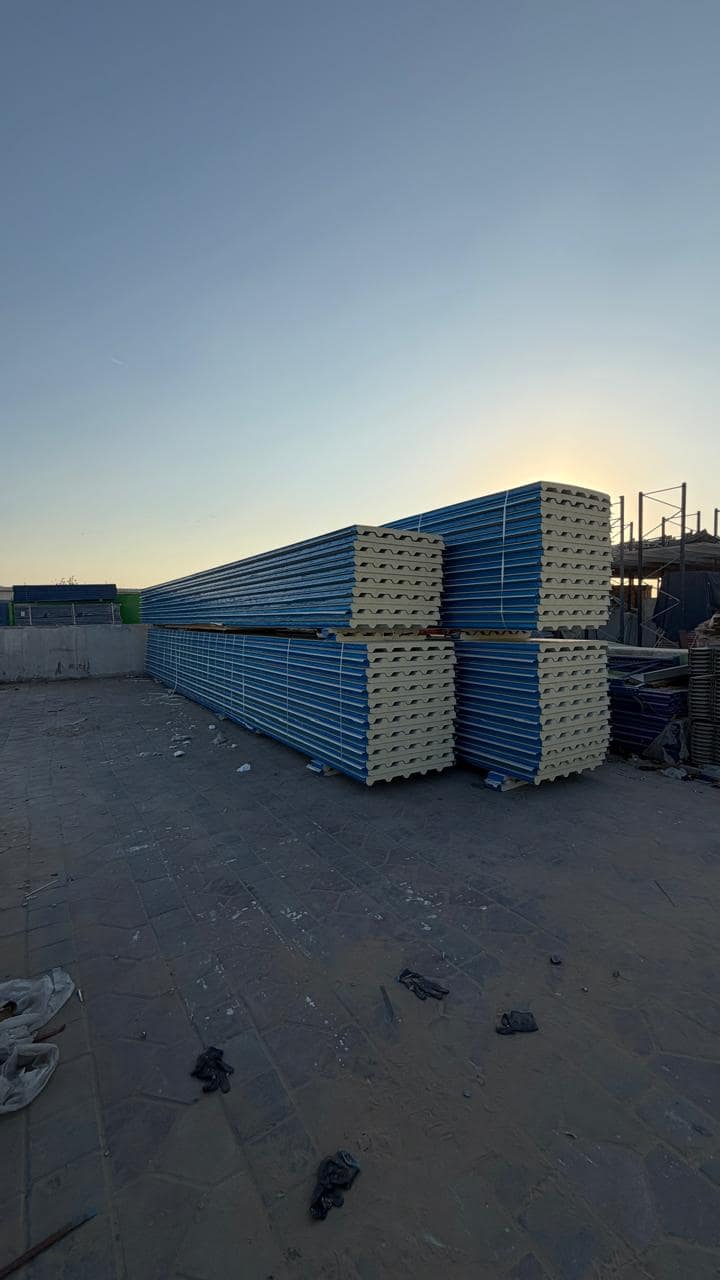
- Modular and portable buildings, including site offices, labor camps, and temporary classrooms, where fast assembly matters as much as durability.
- Partition walls inside commercial and industrial spaces, offering a quick way to divide space without the mess of wet trades.
- Facade and cladding systems on larger commercial buildings, where aesthetics, corrosion resistance, and long-term weatherproofing all come into play.
The appeal is straightforward: panels arrive pre-manufactured to spec, get lifted into place, and get locked together with tongue-and-groove or interlocking joints. There’s no curing time, no scaffolding for weeks on end, and far less dependency on skilled labor for finishing work.
Speed and Cost Advantages
One of the biggest draws for developers working under UAE project deadlines is sheer construction speed. A warehouse that might take months using conventional block walls can often be enclosed in a fraction of the time with sandwich panels, since the walls, roof, and insulation arrive as a single integrated system rather than separate stages of masonry, plastering, and insulation work.
This Sandwich Panel and Wall Panel advantage doesn’t just save on labor costs—it also reduces the financing period for developers, since buildings can be handed over and generating revenue sooner. For logistics parks, cold chain facilities, and fast-track industrial projects across Dubai, Abu Dhabi, and the Northern Emirates, that turnaround time is often the deciding factor over traditional construction methods.
Durability in Harsh Sandwich Panel and Wall Panel Conditions
The UAE’s environment isn’t just hot—it’s also humid along the coast and dusty inland, with occasional sandstorms adding wear to exposed surfaces. Quality sandwich panels are typically finished with coatings designed to resist UV degradation, corrosion, and moisture ingress, which matters enormously for structures expected to last 15-20 years or more without major facade repairs.
Proper installation matters just as much as panel quality here. Poorly sealed joints or incorrect flashing details can let humidity or dust infiltrate over time, undermining both insulation performance and structural longevity. This is why working with experienced installers—not just panel suppliers—makes a measurable difference in how these systems perform years down the line.
Choosing the Right Sandwich Panel and Wall Panel Supplier
Given how much rides on core material, fire rating compliance, and installation quality, it pays to work with suppliers who understand UAE-specific building codes and can provide proper testing certificates (fire rating, thermal conductivity, structural load data) rather than generic international specs. Local manufacturing also tends to mean faster lead times and easier logistics compared to imported panels waiting on shipping schedules.
For any project—whether it’s a logistics warehouse in Jebel Ali, a cold store in Abu Dhabi, or a labor camp in Sharjah—matching the right panel type, core material, and thickness to the specific use case is what separates a building that performs well for decades from one that runs into insulation or corrosion problems within a few years.