Best Construction Fence and Continuous Fence in UAE – Types, Uses & Benefits

Construction Fence and Continuous Fence in UAE
Construction Fence and Continuous Fence in UAE Anyone who has driven past a building site in Dubai, Abu Dhabi, or Sharjah has seen it: rows of metal panels or mesh screens wrapping the perimeter of a project, keeping the chaos of construction contained and the public safely outside it. This is site fencing, and in a country where construction never really slows down, it has quietly become one of the most important — and most overlooked — parts of any project plan.
There are two terms that come up constantly in this space: construction fence and continuous fence. They’re related, but they’re not quite the same thing, and understanding the difference helps contractors, developers, and facility managers choose the right solution for their site.
What Is a Construction Fence?
A construction fence is exactly what it sounds like — a temporary barrier erected around an active worksite. In the UAE, this is often a legal requirement before any groundwork can even begin. Municipalities across the Emirates mandate that construction zones be enclosed to protect pedestrians, control dust, and prevent unauthorized access to hazardous areas.
These fences typically come in a few forms:
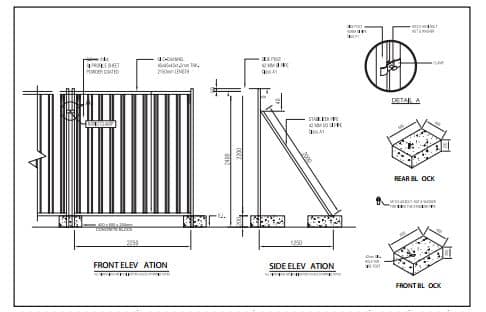
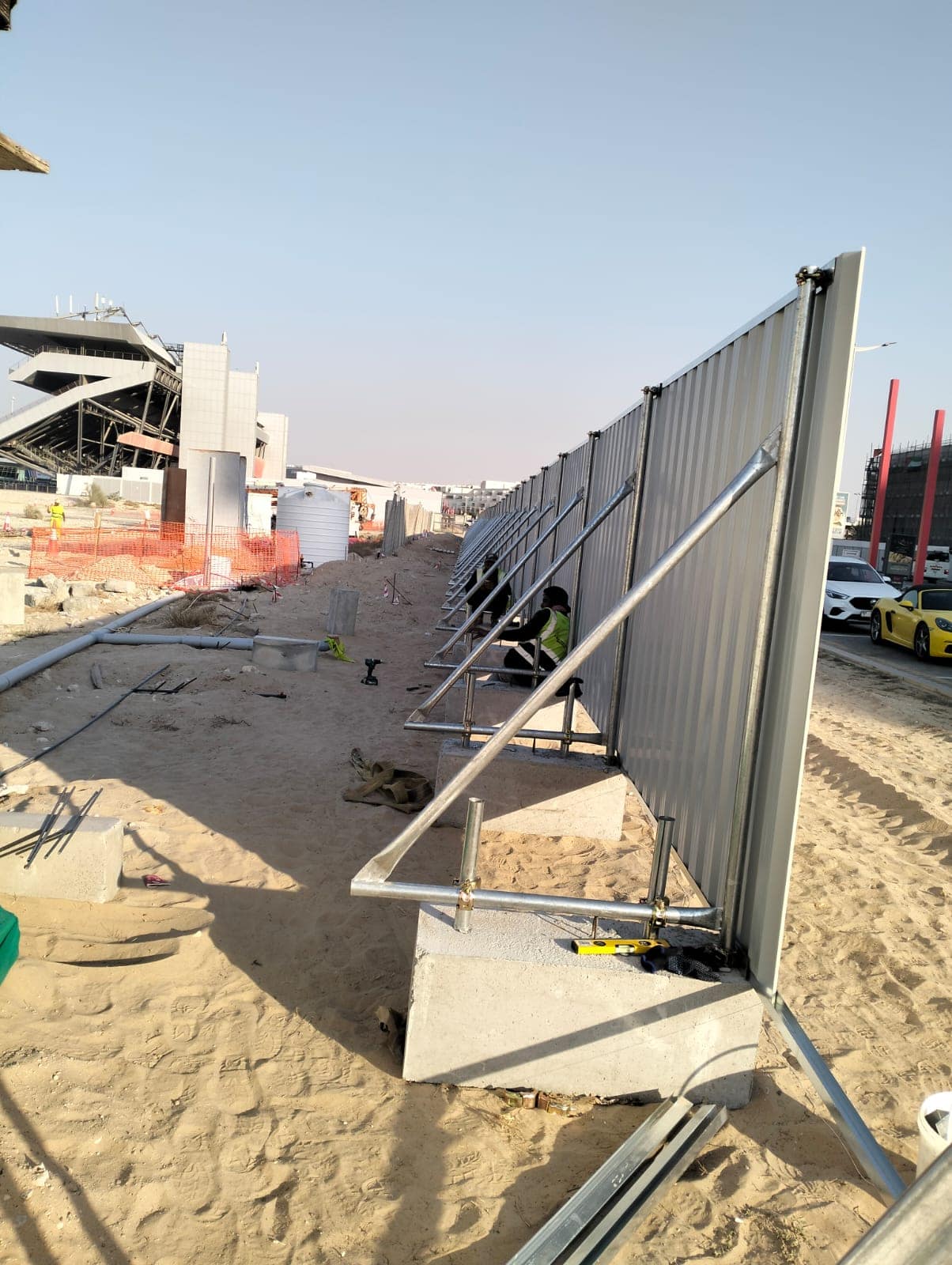
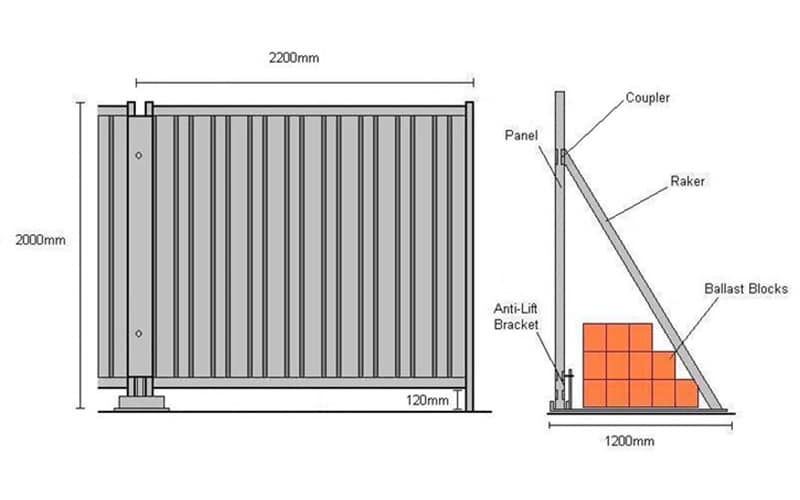
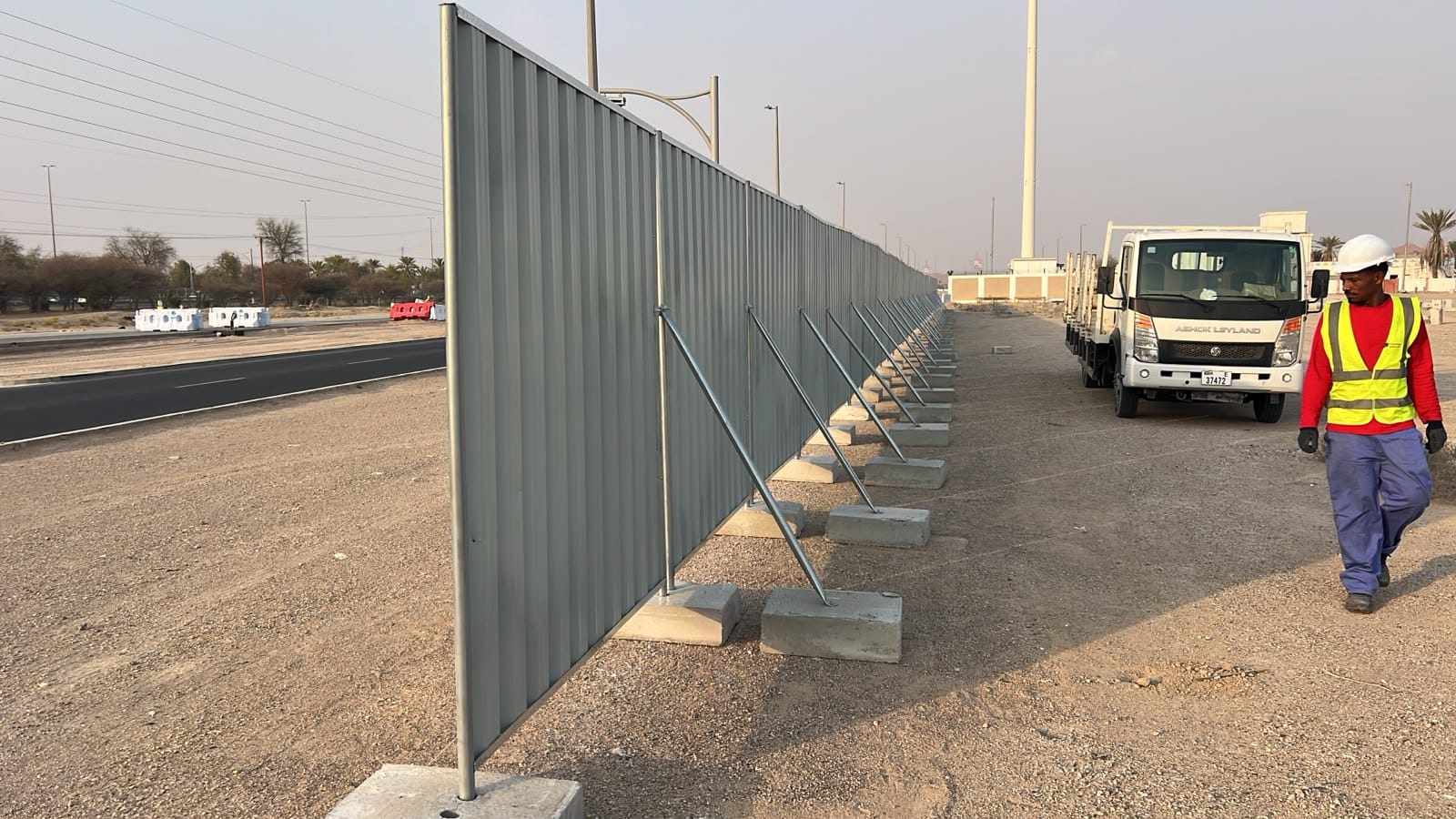
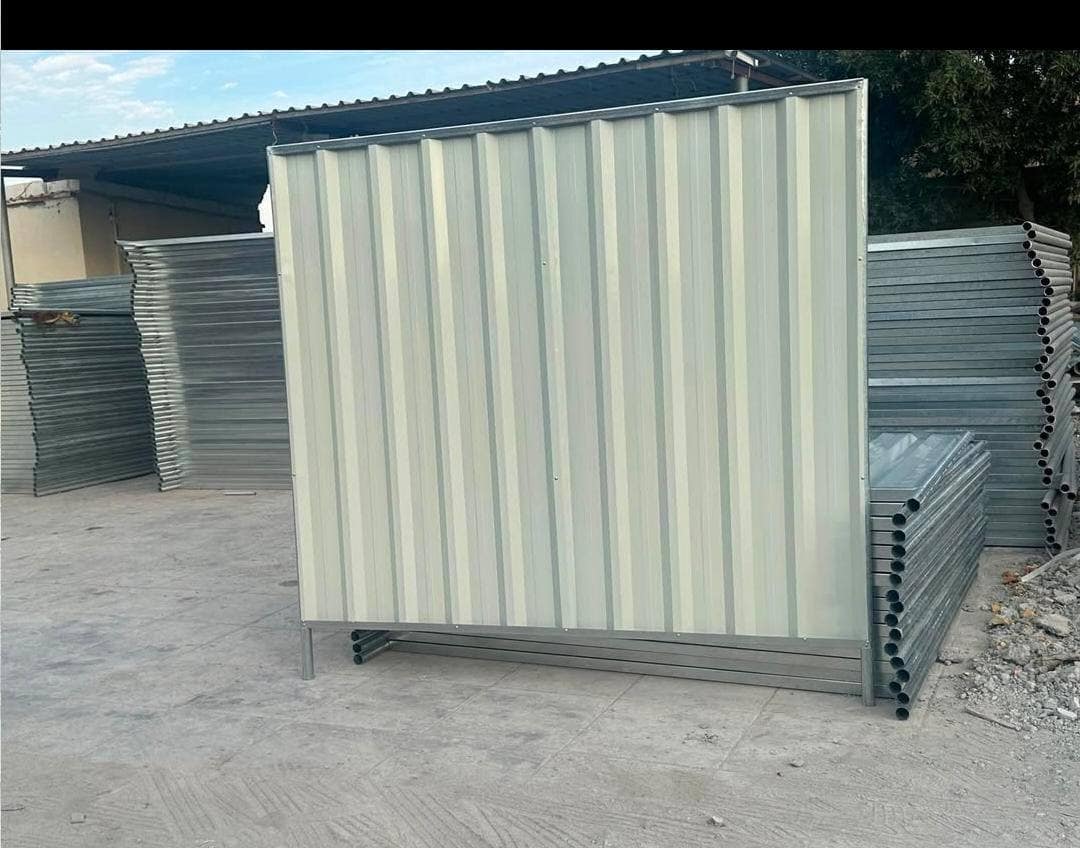
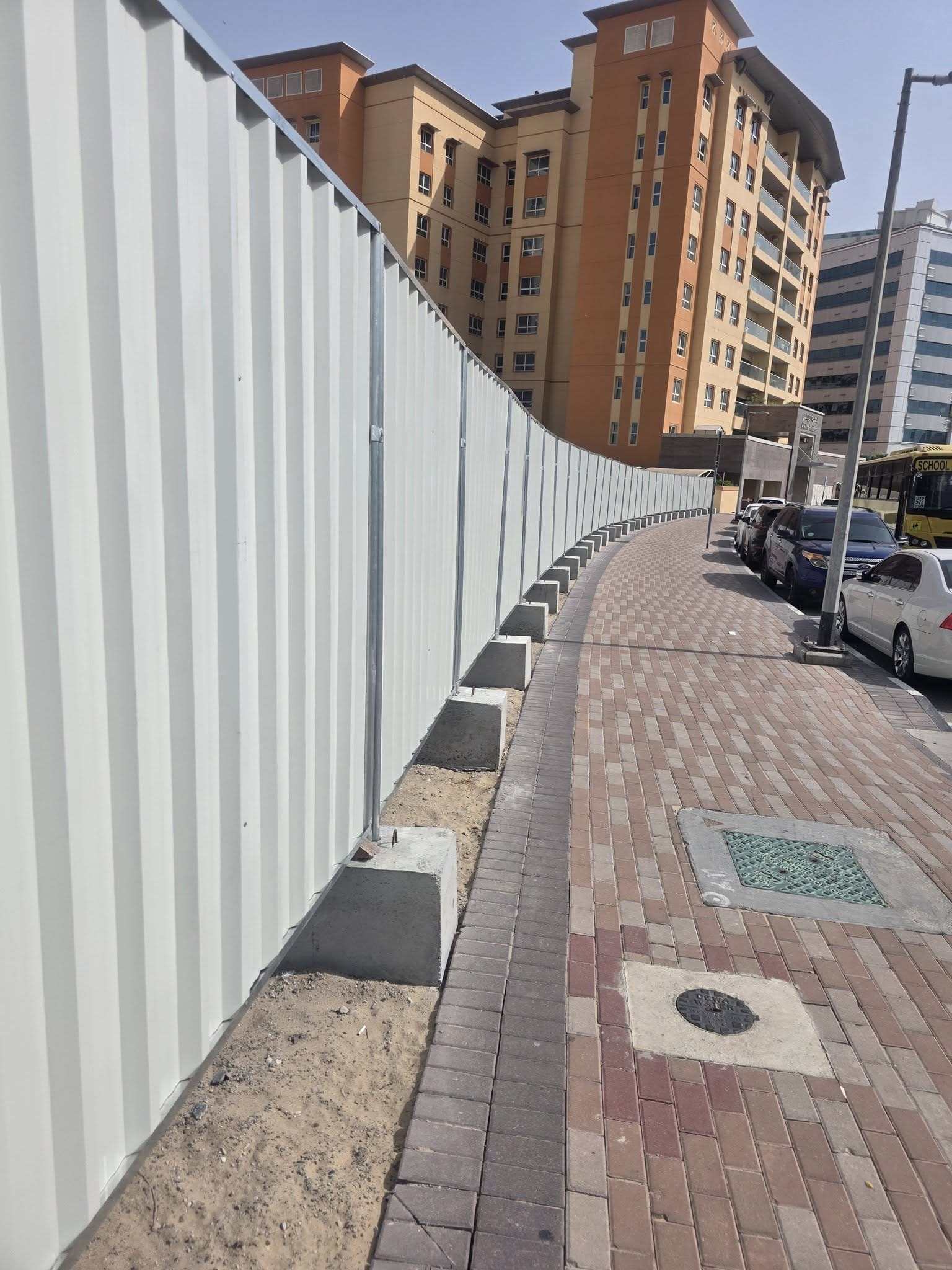
- Corrugated sheet fencing – solid steel or GI (galvanized iron) panels that fully block visibility into the site. Common on major developments in busy urban areas like Downtown Dubai or Al Reem Island, where dust and noise control matter as much as security.
- Mesh panel fencing – semi-transparent, often used for smaller or shorter-term projects where full visual screening isn’t required.
- Hoarding fences – tall, branded barriers that double as advertising space, frequently seen around retail and residential developments still under construction.
What Is a Continuous Fence?
A continuous fence, sometimes called chain-link or continuous mesh fencing, refers to fencing rolled out in long, unbroken runs rather than fixed panel sections. It’s the type most people picture when they think of a classic wire fence — diamond-mesh, galvanized or PVC-coated, stretched between steel posts.
In the UAE, continuous fencing shows up in a wider range of settings than pure construction fencing:
- Perimeter security for labor camps, warehouses, and industrial yards
- Boundary marking for vacant plots and land awaiting development
- Temporary enclosures for large infrastructure projects — roads, pipelines, and utility corridors that stretch over long distances
- Sports facilities, parking areas, and staging zones
The key advantage of continuous fencing is coverage. Because it comes in rolls rather than fixed-width panels, it can be adapted to irregular plot boundaries and long stretches of land far more efficiently than rigid panel systems.
Why Fencing Matters So Much in the UAE Specifically
The Gulf’s construction environment has a few quirks that make proper fencing more than just a bureaucratic checkbox.
Sandstorms and dust control. The UAE’s climate means loose sand and dust are a constant issue on open sites. Solid corrugated fencing helps trap dust within the site boundary, which matters both for neighboring properties and for compliance with environmental regulations set by bodies like Dubai Municipality and the Abu Dhabi Department of Municipalities and Transport.
Heat and material durability. Fencing materials need to hold up to intense UV exposure and high temperatures without degrading. Galvanized steel and UV-treated PVC coatings are preferred over standard materials because they resist rust and brittleness far longer in Gulf conditions.
Rapid urban development. With projects launching and finishing at a fast pace across Dubai, Abu Dhabi, and the northern Emirates, contractors often need fencing that installs quickly, can be reused across multiple sites, and doesn’t require a long lead time to source.
Regulatory compliance. Most municipalities require fencing to meet minimum height standards (commonly around 2 to 2.4 meters), be free of sharp edges facing the public side, and in some cases carry signage indicating the contractor and project permit details.
Benefits Beyond the Legal Requirement
While compliance is the starting point, good fencing does more for a project than satisfy an inspector.
- Site security – reduces theft of materials and equipment, a real cost concern on large sites
- Public safety – keeps pedestrians and vehicles away from excavation, cranes, and moving machinery
- Liability protection – a properly fenced site significantly lowers the risk of accidents that could expose a contractor to legal claims
- Professional appearance – branded hoarding fences present a tidier image to clients, investors, and passersby, which matters more than people expect on high-visibility projects
- Noise and dust containment – particularly valuable for sites near residential or commercial neighbors
Choosing Between the Two
In practice, most large projects in the UAE use a combination Construction Fence and Continuous Fence in UAE of both. Corrugated construction fencing is typically placed along the street-facing perimeter, where dust control, security, and appearance matter most. Continuous mesh fencing is used for internal zoning, secondary boundaries, or long stretches of land where full solid screening isn’t necessary or cost-effective.
The right choice ultimately comes down to project size, location, budget, and how long the fencing needs to stay up. A short-term residential renovation has very different needs than a multi-year infrastructure project spanning several kilometers.
Whichever type is used, one thing holds true across the UAE construction sector: fencing is no longer just a formality. It’s a functional part of how a site runs safely, cleanly, and in line with local regulations from day one to handover.
Construction Fence and Continuous Fence in DUBAI
Construction Fence and Continuous Fence in Sharjah
Construction Fence and Continuous Fence in umm al Quain