Best Eco Fence and Construction Fence in Dubai: Uses & Applications in the UAE

Construction Fence in Dubai skyline never really stops changing. New towers rise, roads get widened, and entire communities appear where there was empty desert a few years earlier. Behind almost every one of these projects sits something far less glamorous but absolutely essential: fencing. Whether it’s a temporary barrier around a busy construction site or an eco-friendly boundary wall around a finished villa, fencing plays a quiet but critical role in how the city functions, stays safe, and looks presentable.
Why Construction Fence in Dubai Matters in the UAE
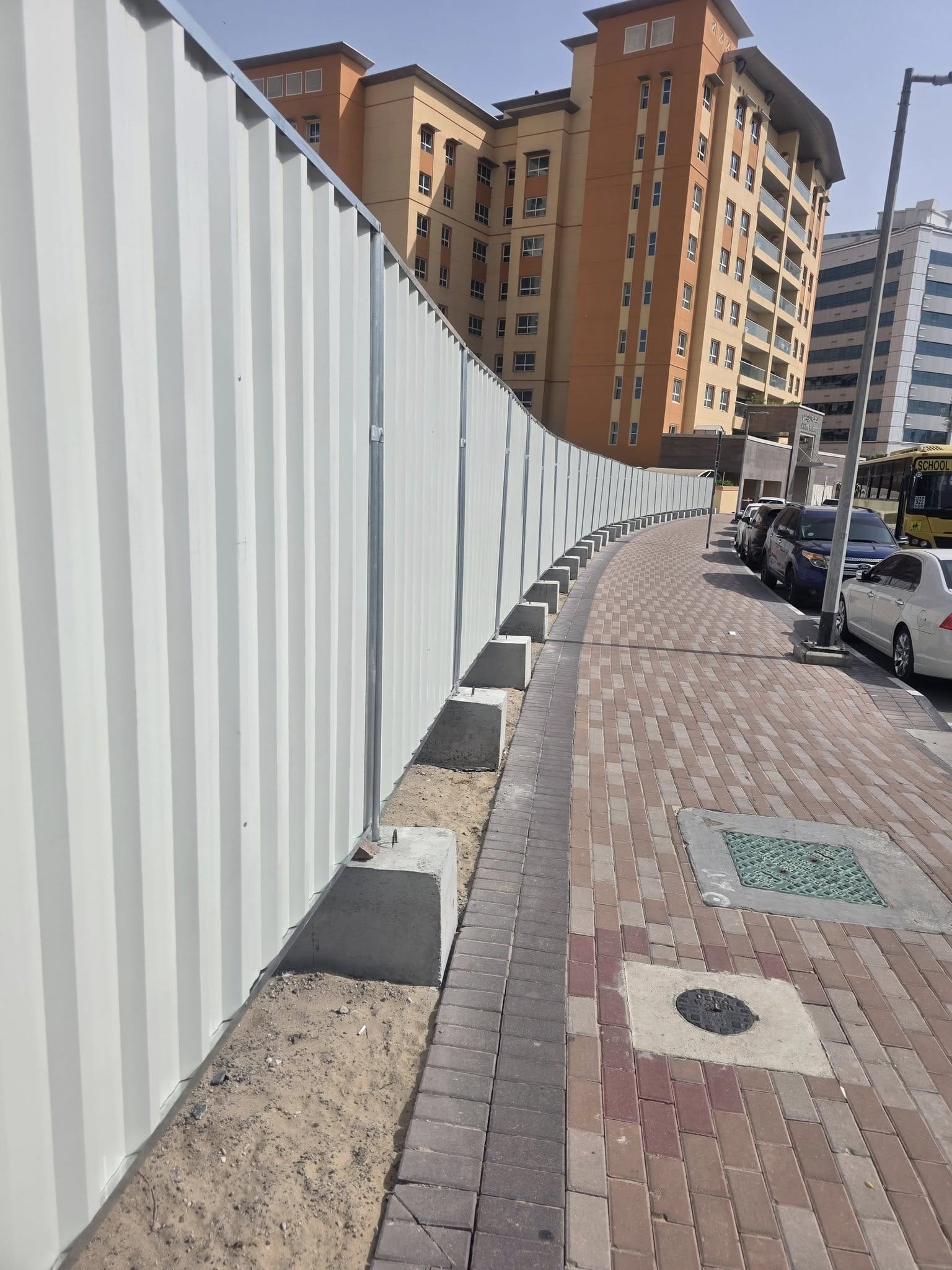
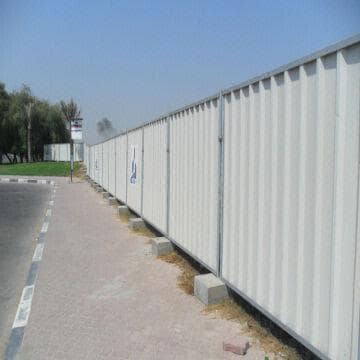
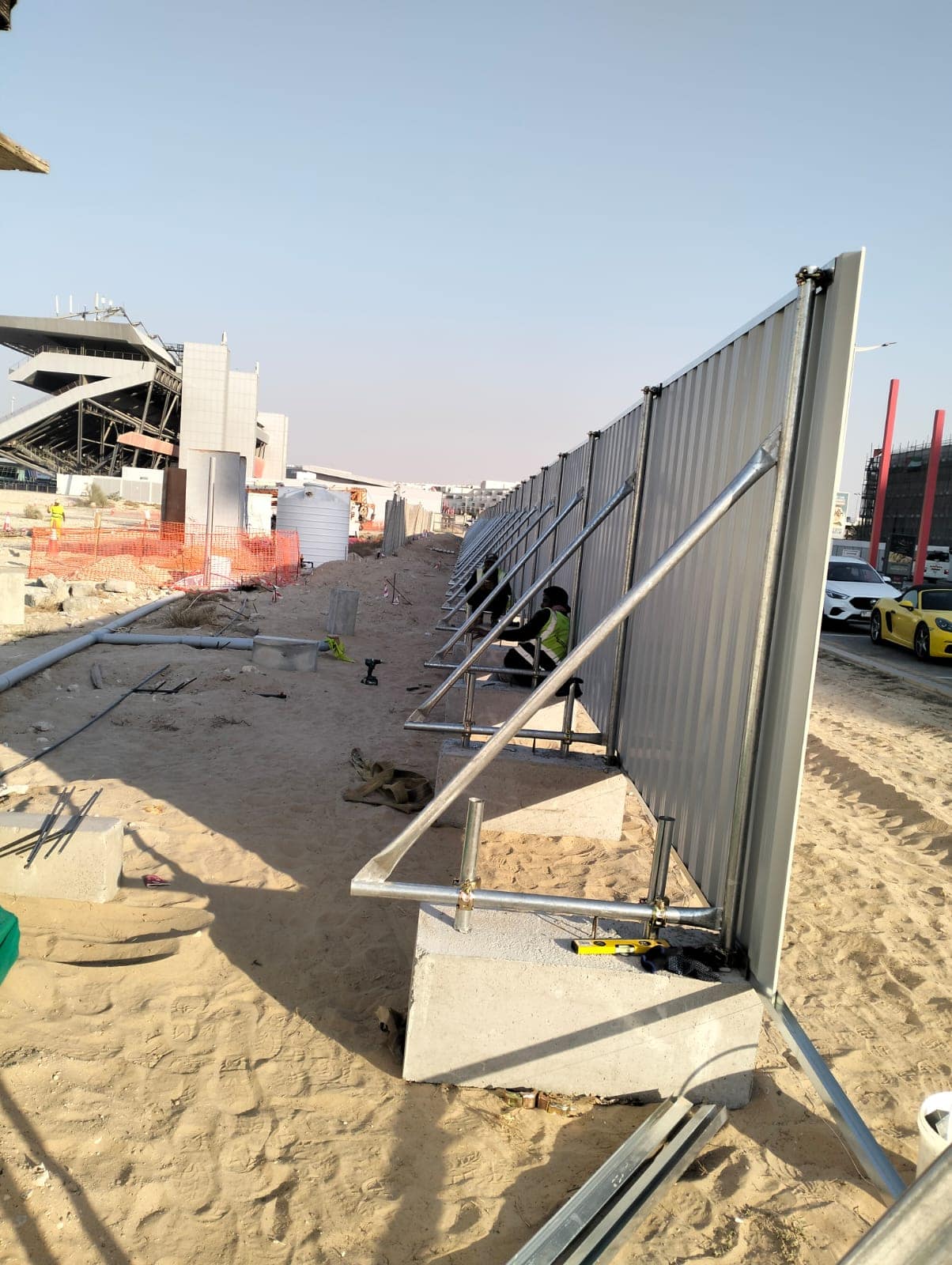
Anyone who has driven past a building site in Construction Fence in Dubai has seen the tall, corrugated panels wrapping the perimeter. This is construction fencing, sometimes called hoarding, and it’s not optional. Dubai Municipality requires it on virtually every active site, and for good reason.
These fences do several jobs at once. They keep pedestrians and vehicles safely away from excavation work, heavy machinery, and falling debris. They stop dust and noise from spilling into surrounding streets and neighborhoods, which matters a lot in a city where residential towers often sit right next to active developments. They also give a site a tidy, professional appearance instead of leaving raw construction activity exposed to public view.
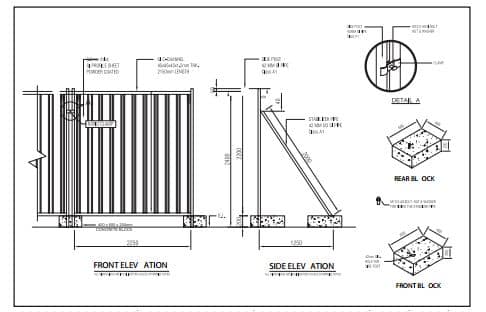
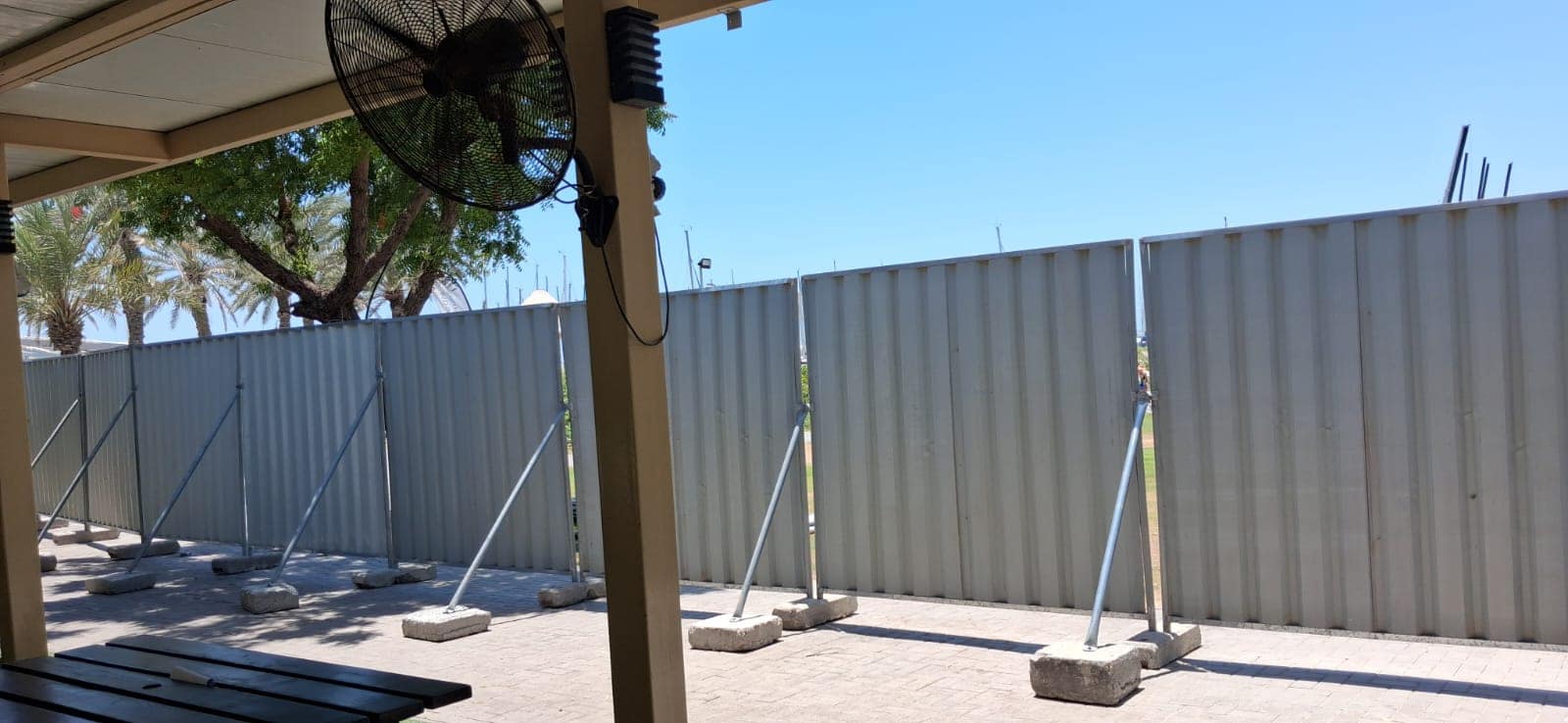
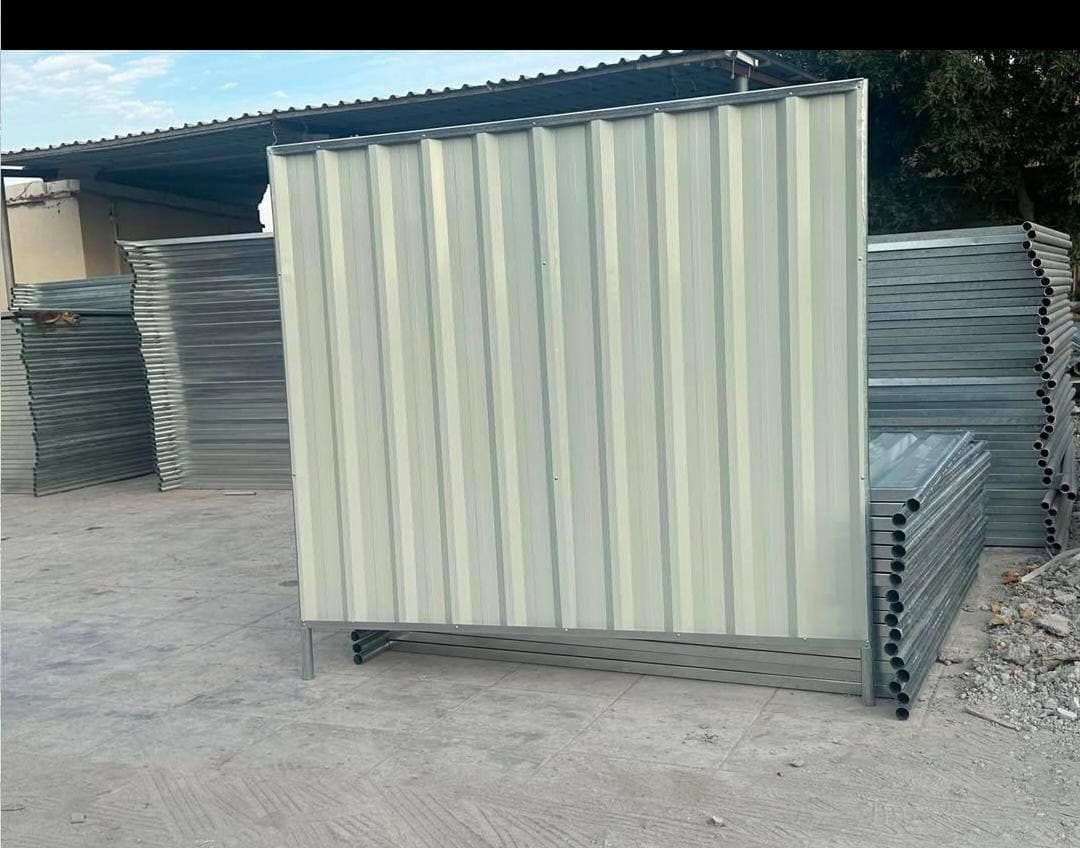
Materials matter here too. Corrugated steel sheeting is a favorite across the UAE because it’s tough enough to handle strong winds, occasional sandstorms, and constant exposure to intense heat without warping or rusting quickly. Chain link is used in situations where visibility through the fence is actually useful, such as marking off a work zone without fully blocking sightlines. Whatever the material, the fence has to be securely anchored. A loose or poorly installed panel isn’t just an eyesore — it’s a genuine safety hazard in high-wind conditions.
There’s also a paperwork side to all this. Before a fence goes up around a site, the contractor typically needs to secure a permit through the Dubai Building Permits System. That means submitting architectural drawings showing the fence’s layout and dimensions, along with structural drawings that confirm the materials and engineering can handle the loads involved. Skipping this step can lead to fines or delays, so most experienced contractors treat the fencing permit as a standard early task, not an afterthought.
Where Eco Fencing Fits In
While hoarding Construction Fence in Dubai dominate active construction zones, a different kind of fencing has been steadily gaining ground across the UAE’s residential and commercial spaces: eco fencing, often made from recycled PVC.
The appeal is fairly straightforward once you understand the region’s climate. Traditional wood fencing tends to struggle here — heat, humidity swings, and occasional heavy rain can warp or rot timber faster than in milder climates. Metal fencing can heat up dramatically under direct sun and, over time, corrode. Recycled PVC sidesteps a lot of these problems. It resists UV damage, doesn’t rot, and shrugs off moisture, which makes it a genuinely practical choice rather than just a trendy one.
There’s also the environmental angle, which is becoming more relevant as sustainability targets shape construction and development across the Emirates. Because eco fencing is manufactured from recycled material rather than new plastic, it reduces the amount of PVC waste that would otherwise sit in landfills for centuries. For developers and property owners trying to align with green building initiatives, that’s a meaningful selling point, even if the primary decision often comes down to durability and lower long-term maintenance.
Eco fencing shows up in a wide range of styles. Picket-style designs work well for marking property lines around villas and gardens without blocking the view entirely. Solid privacy panels are common where homeowners want full seclusion from neighbors or busy roads. Semi-privacy versions, with small gaps between panels, strike a middle ground — enough coverage for comfort, but not so much that airflow and light are completely cut off, which matters during Dubai’s hotter months.
Construction Fence in Dubai Two Different Jobs, Both Essential
Construction Fence in Dubai It’s worth stepping back and noting that these two fencing types aren’t really competing with each other — they serve entirely different stages and purposes. Construction fencing is temporary, functional, and regulatory by nature. It exists to protect people and property while work is underway, and it comes down once the project is finished. Eco fencing, on the other hand, is a long-term, permanent feature meant to define a space, offer privacy, and hold up to years of sun and heat with minimal upkeep.
For anyone planning a project in Dubai or elsewhere in the UAE, the practical takeaway is simple: match the fence to the stage of the project. Active building work calls for sturdy, code-compliant hoarding that keeps the site secure and the surrounding area safe. Once construction wraps up and it’s time to define the finished property, a durable, low-maintenance eco fence is often the smarter long-term investment — for the budget, the climate, and the environment alike.
Eco Fence and Construction Fence in Dubai